
SOCIAL DANCE
Count the lives one building has lived and the Freeman Store on Church Street wins easily: general store starting in 1859, Civil War hospital for both Union and Confederate soldiers, train depot, hotel, post office, private residence, and now a museum again, restored by volunteers in 1976. Vienna itself started under a different name entirely, Ayr Hill, and holds a strange historical footnote as the site of the first documented tactical use of a railroad in American warfare. A red caboose sits across the street from the Freeman Store today, and the W&OD Trail runs right past both of them. Search “social dance lessons in Vienna” and you’re looking for a skill with some of that same staying power, useful across a lot of different rooms and occasions, not built for a single purpose. Social dancing borrows the technical dances of exhibition ballroom, Foxtrot, Tango, Swing, Cha-Cha, and strips away the scoring, leaving something built for real gatherings.
Social dancing classes in Vienna exist because Ballroom Boutique Dance Studio has taught to one consistent priority for years: a partner who can hold a conversation matters more than a picture-perfect frame. A steady group of students commute in from Vienna and the streets near Church Street and the Town Green for weekly classes. Whether home sits close to the historic district or out toward Tysons, our social dance lessons in Vienna students count on are shaped around real events, not a stage.
Nobody arrives already knowing how to talk comfortably while dancing. It’s a skill built over a handful of classes, and students in our social dance lessons in Vienna usually find they can describe a recent walk past the caboose without ever losing count of the Waltz.
Benefits of the Dance
Burn Fat & Lose Weight
Nobody signs up thinking “cardio,” but that’s largely what an hour of ballroom dance delivers, real calorie burn without the joint strain a run would cause.
Increase Flexibility
The body doesn’t start out flexible, it becomes that way gradually, through repeated movement it hasn’t tried before, until a turn that once felt stiff starts to land clean.
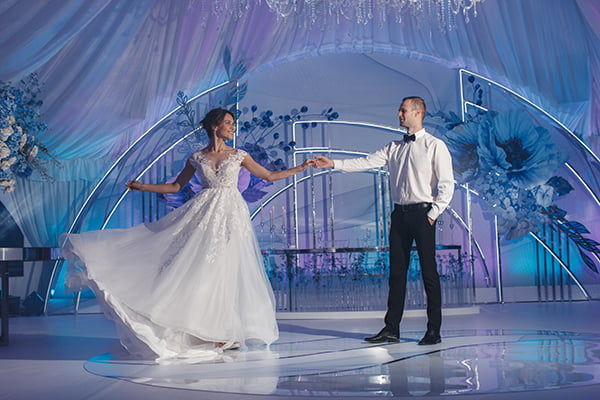
Increase Strength & Endurance
Every pattern quietly doubles as resistance training, since your legs and core work against your own body weight through the whole routine.
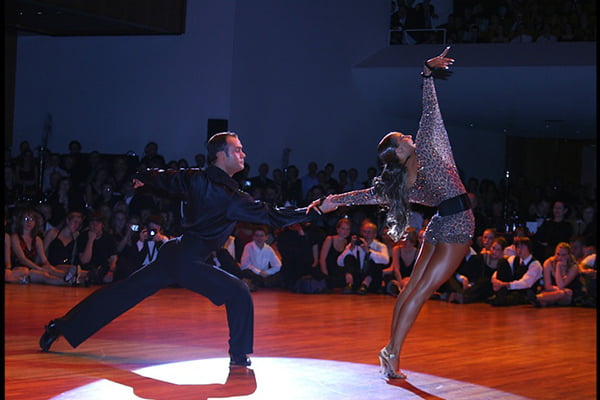
Great For All Ages
Kids from the neighborhoods around the Town Green and longtime Vienna residents attempting dance for the first time in retirement have both learned in our classes, improving at close to the same rate.
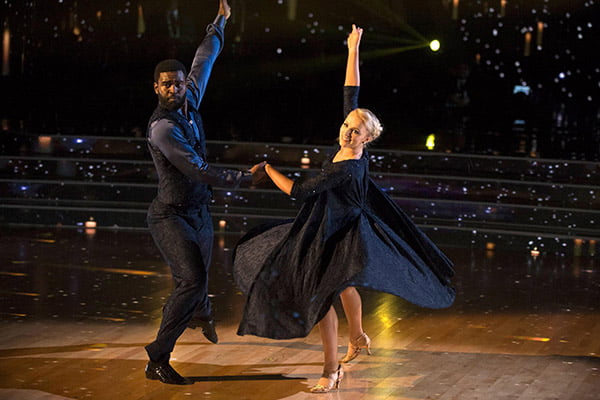
Physical Health
Lower blood pressure, better cholesterol, stronger bones, reduced Type II diabetes risk, dance checks the medical boxes without ever feeling like a prescription.
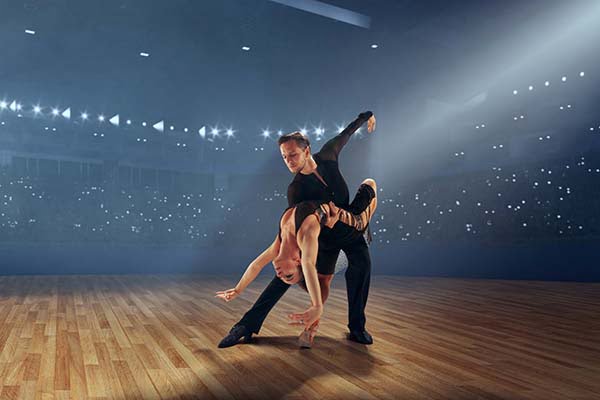
Mental Health
An hour with your phone put away and full focus on movement is a genuine reset from a demanding week, which is part of why beginner social dance lessons in Vienna fill their evening slots first, right after work ends.
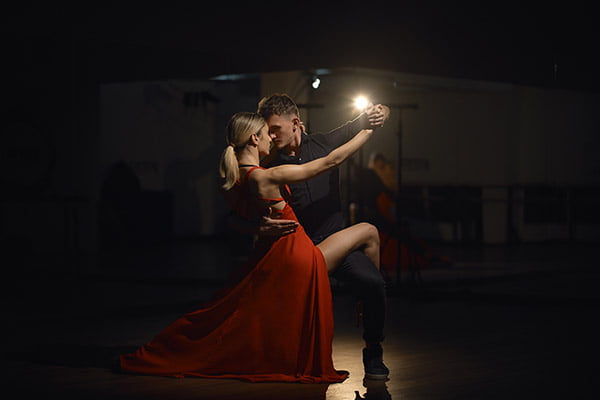
Confidence
Something shifts the first time you lead or follow a turn in front of strangers, and students in our social dance lessons in Vienna program describe that shift showing up later in work meetings and everyday conversations.
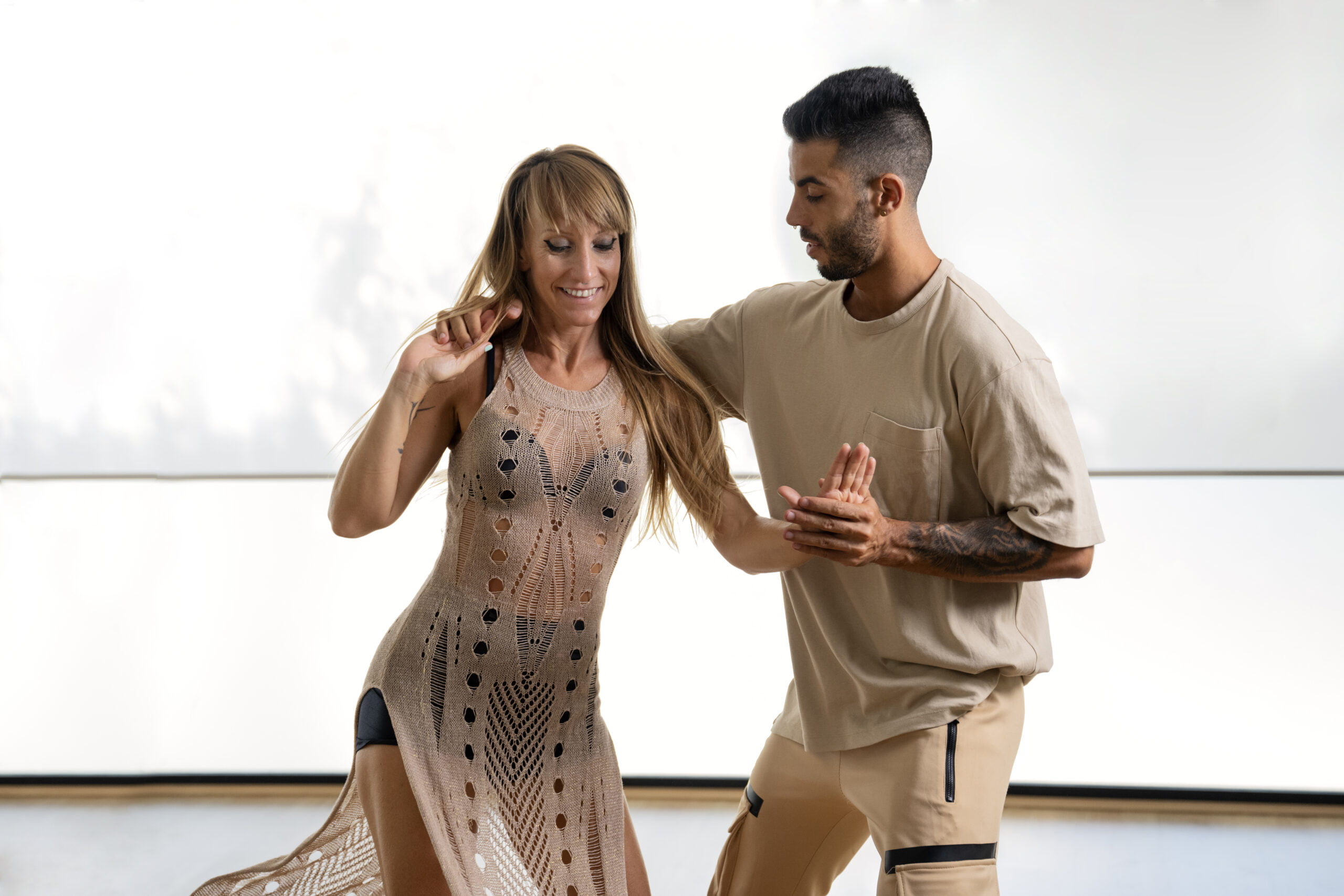
Self-Expression & Creativity
Choreography starts as instruction, but the moment it stops requiring conscious thought, personal style fills in the rest, and class stops feeling like a lesson.
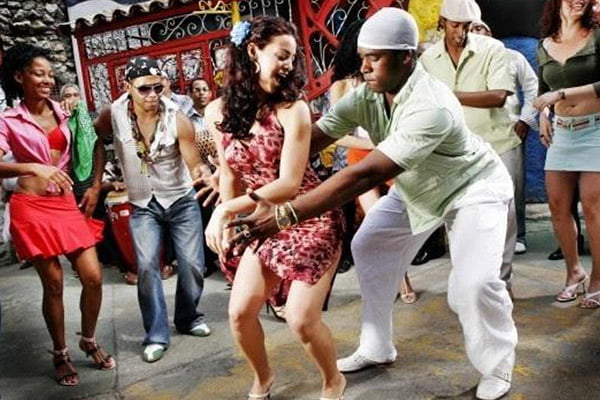
Social fun & Friendship
Many students arrive without a partner and leave with a rotating group of dance friends, an easy thing to build in a town small enough that the same faces keep showing up near Church Street.
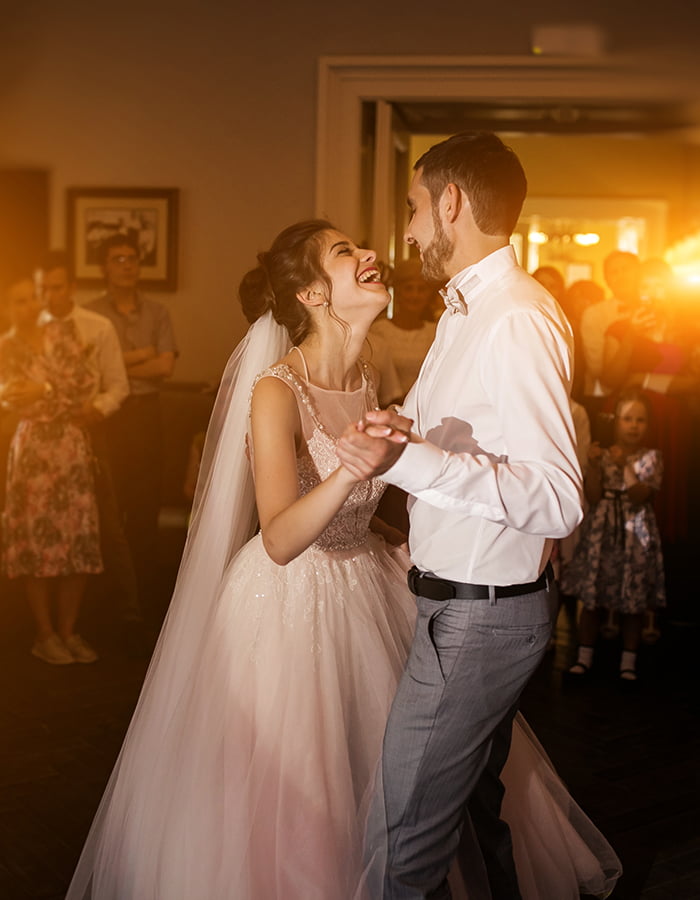
Wedding Dance
Get ready for the dance of your life. Our wedding dance programs help you build a first dance you’ll both remember, starting from the moment you say “I do.” From a simple, elegant routine to a full performance for the wedding party, we help make your day even more special. Vienna couples often celebrate at a venue near the historic district or drive toward Tysons for a larger space, and our instructors prepare couples with real dance experience and true beginners alike for whichever room they walk into.
Our instructors know how to put nervous couples at ease and turn a first dance into a moment filled with joy rather than anxiety. Whether you want to Waltz, Swing, Cha Cha, Foxtrot, or Quickstep, we help ensure you and your partner are ready to dance in front of family and friends on your wedding day.
The Waltz
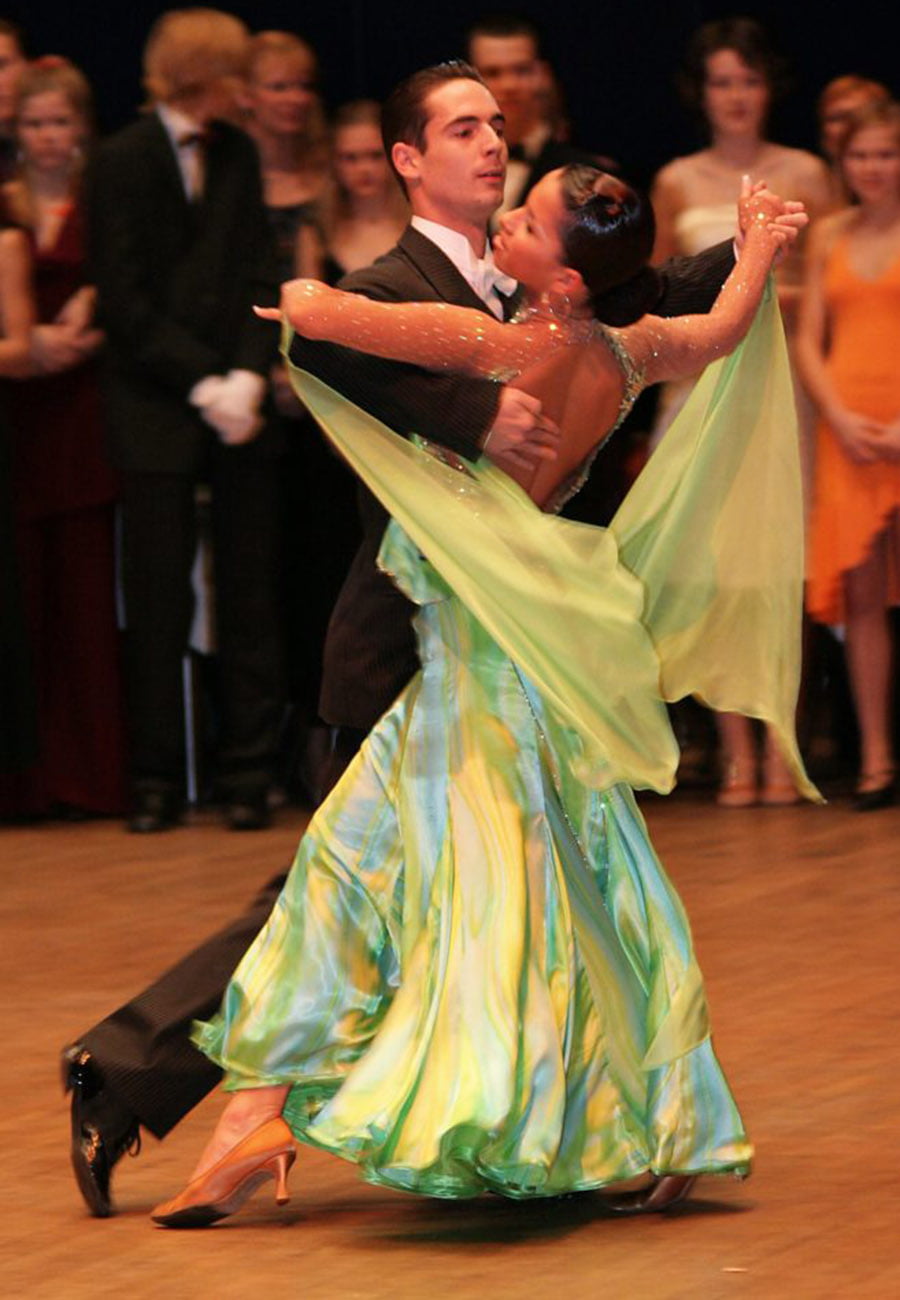
A building that’s served as a store, a hospital, a depot, and a home doesn’t stay standing that long by accident, and the Waltz has its own version of that endurance. It comes from the Ländler, an 18th century German folk dance, structured around a step, slide, and step pattern in 3/4 time, its close, turning embrace once scandalous before becoming the standard for anything formal today.
Learn the Waltz thoroughly and its lessons carry into everything else: sway, rise and fall, balance, control. That’s why beginner social dance lessons in Vienna so often open here.
THE CHA CHA
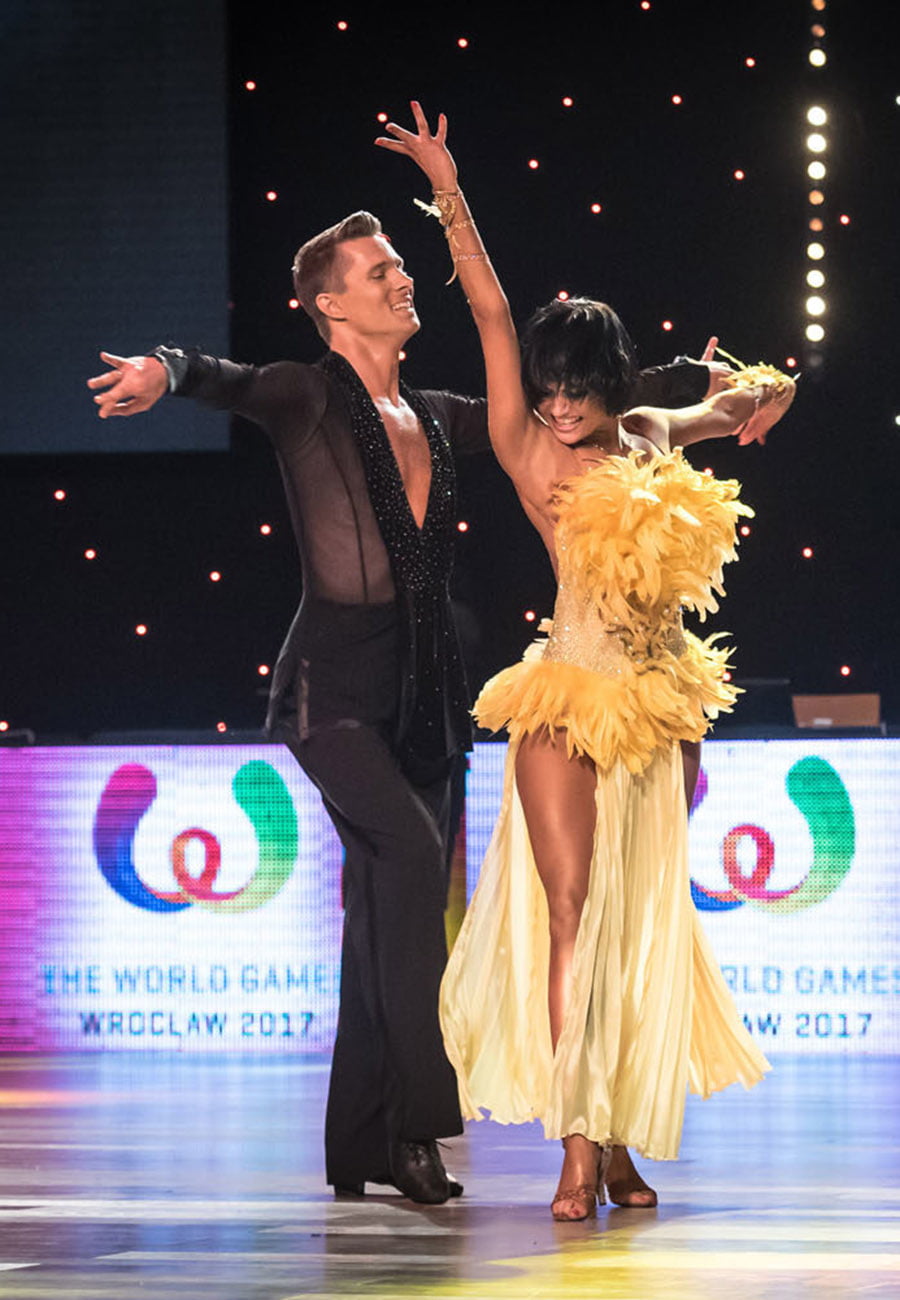
Guess where the Cha Cha originated, and the answer most people land on, somewhere in South or Central America, turns out to be wrong. It’s an American invention, built when Mambo bands slowed their tempo in the early 1950s and dancers filled the resulting gap with a triple step between the Mambo’s forward and back rocking motion.
That American origin hasn’t stopped it from becoming the standard opening dance for competitive Latin and Rhythm dancers, and students training near the Town Green often reach for it early.
The Foxtrot
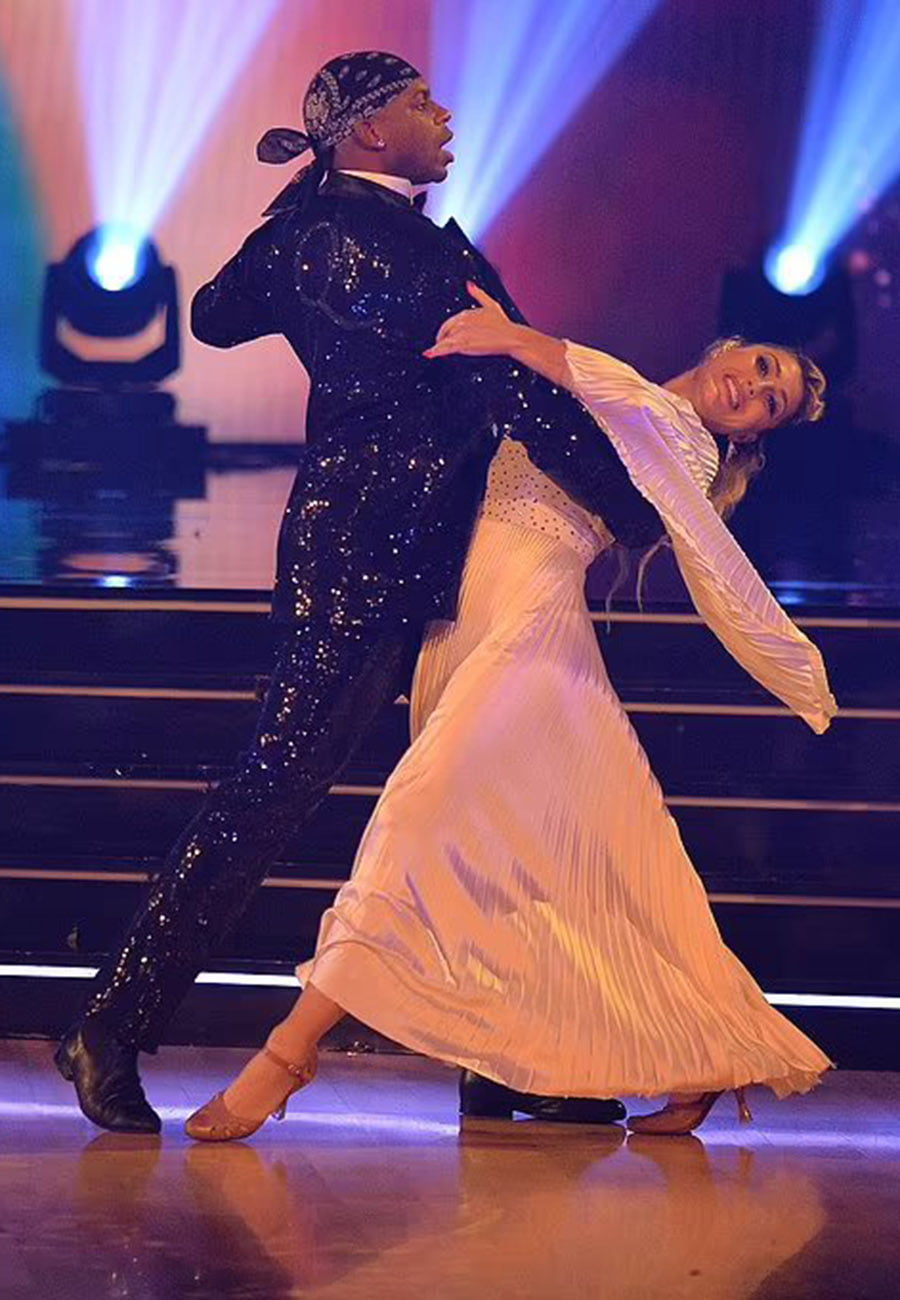
Set the Foxtrot beside the Waltz and the resemblance is obvious, long, flowing steps, similar posture, right up until the music starts and the timing splits, 4/4 instead of 3/4. Its “Magic Step,” two forward, one to the side, traces a knight’s move on a chessboard, and it’s usually the fastest pattern for a new student to genuinely absorb.
That ease of use explains a century of relevance, equally at home at a casual gathering near Church Street and something dressier. It’s also the fastest route to the real skill our social dance lessons in Vienna are built around: staying relaxed enough to keep talking while you move.
The Hustle
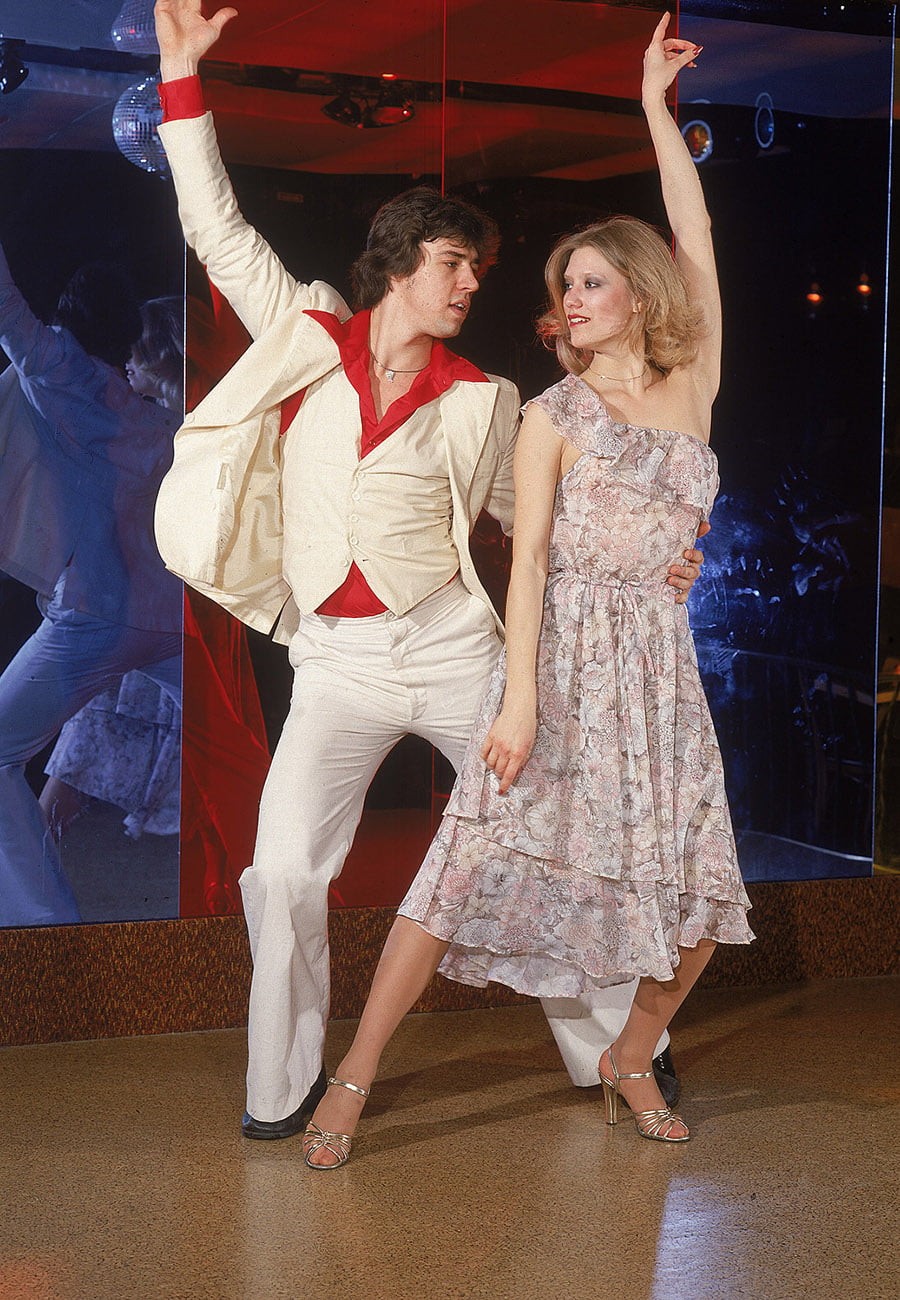
Ask most students what the New York Hustle was originally called and they’ll draw a blank, since the modern partnered version, credited to the 1970s dancers who refined it there, actually started under a different name entirely, the Latin Hustle. It borrows Mambo footwork, Salsa turns, and Swing energy, all riding a bassline built for spins and wraps.
Students planning a night out near Vienna’s Church Street corridor request it constantly, drawn to exactly the kind of tight, energetic room the Hustle was built for.
The Merengue
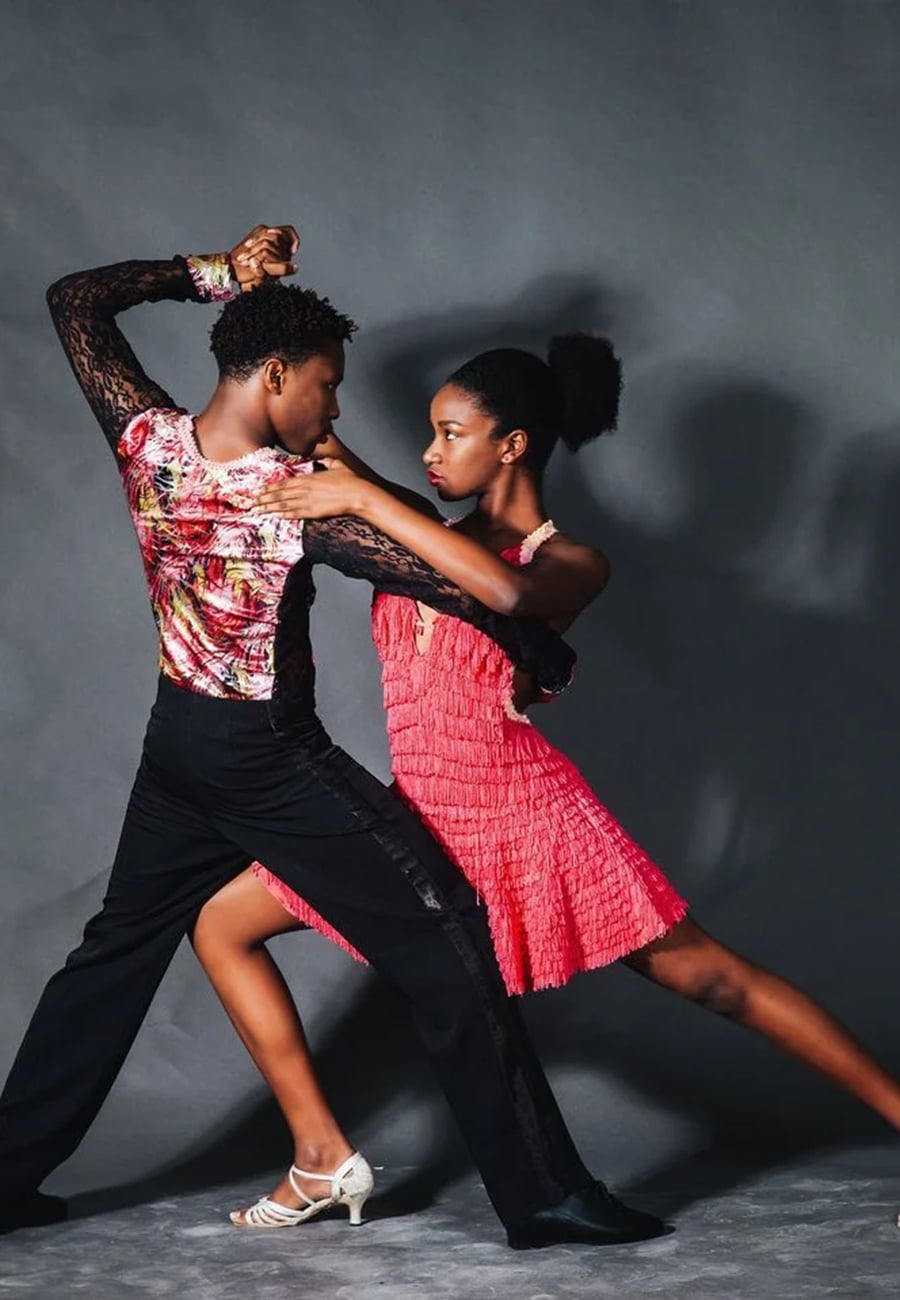
Zero dance background is the ideal starting point for the Merengue, not a disadvantage. It’s a walking or marching step, an eight-count rhythm layered with Cuban Motion, danced almost entirely in place, which leaves very little room for anything to feel wrong the first time through.
Both West African and Spanish tradition run through it, and today it holds a genuine rarity, national dance of two countries at once, the Dominican Republic and Haiti, each calling it the “singing dance.” Most first-time Vienna students learn this one before anything else.
Sign Up For a Lesson Today
We look forward to having you in our dance studio.
THE QUICKSTEP
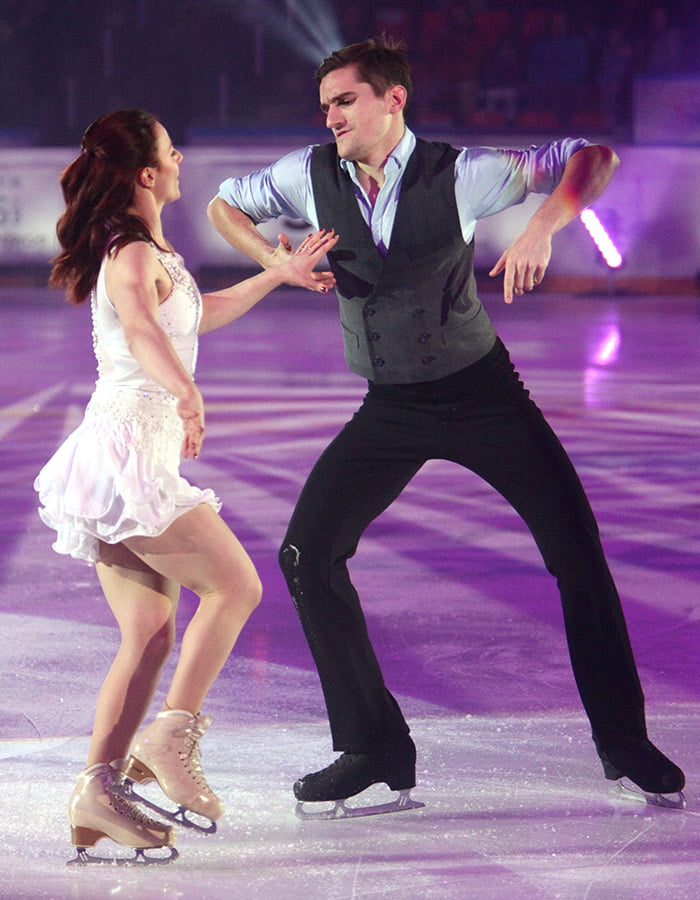
Ballroom dance carries a reputation for taking its time, and Quickstep exists specifically to break that reputation. English dancers built it in the 1920s by fusing the Charleston with the Foxtrot, producing something fast enough to visibly change a competition room’s energy the moment it starts.
Speed comes last in the actual teaching, though. Footwork settles in first, and tempo only follows once the pattern is genuinely clean.
THE RUMBA
Smooth hip motion and a deliberate walking step define the Rumba more than any single fact about its history, though the history matters too: a Cuban rhythm called the Bolero-Son crossed into the United States in the early 1930s and never really lost ground since. Its slower tempo exists specifically to give dancers room to develop Cuban Motion, the technical foundation underneath most Latin dance.
The real payoff extends beyond the Rumba itself. Master it, and the Waltz, Cha Cha, and Salsa all tend to improve almost simultaneously, which is why it anchors our social dance lessons in Vienna curriculum.
The Salsa
Free-flowing turns. Elaborate arm patterns. Real heat from the first note. Salsa descends from Cuban Son and Rumba, broke out through 1970s New York City studios, and has since split into distinct regional styles: Colombian, Cuban, Los Angeles, New York, Palladium, Puerto Rican, Rueda, On Clave.
Small and packed is exactly where it thrives, which makes a lively night near Vienna’s Church Street restaurants its natural setting.
The Swing
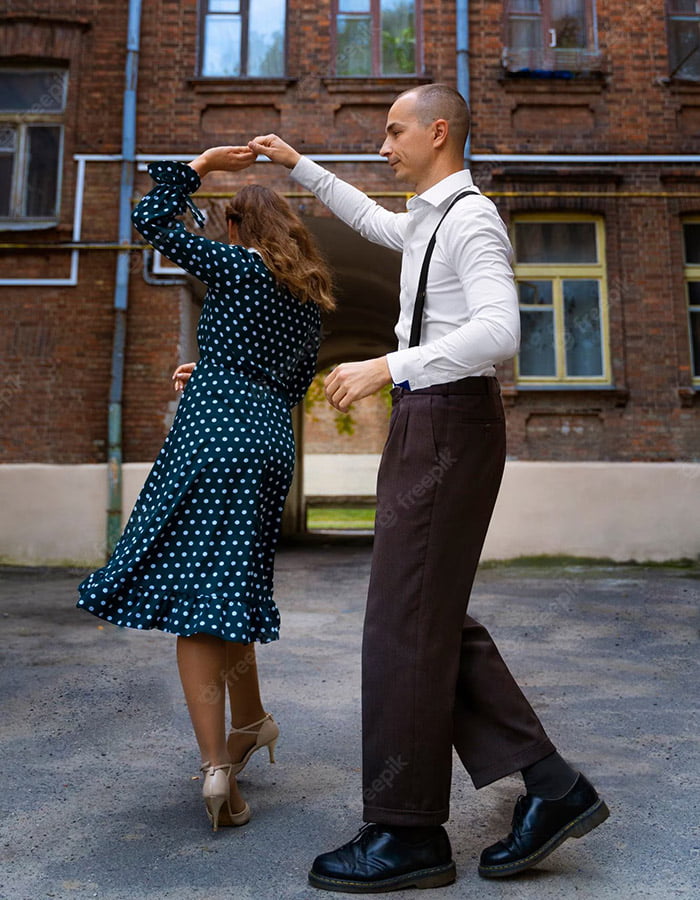
This dance has answered to more names than most, Jitterbug, Boogie, Lindy, though East Coast instructors typically just settle on Swing. It grew directly from the Lindy Hop, with the Charleston, Black Bottom, and Shag consolidating into one recognizable style by the early 1940s.
Its buoyant energy hasn’t dulled a bit since, still the dance that pulls an entire room to its feet, a natural fit for a summer evening near the Town Green. Flips, lifts, spins, Swing is built to be watched as much as danced.
The Tango
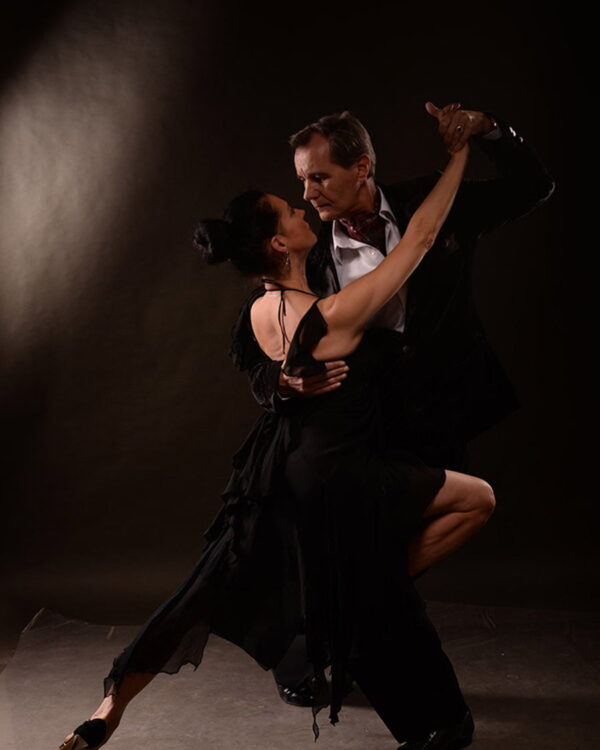
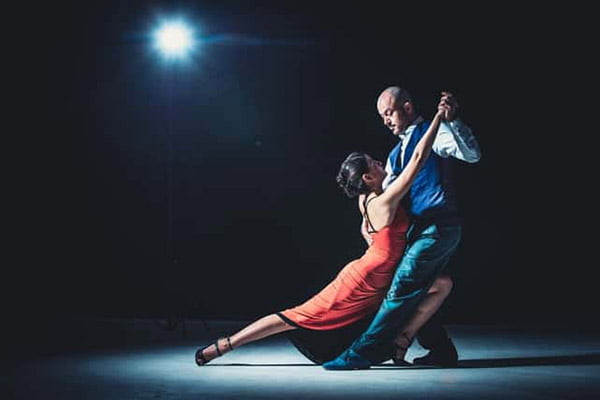
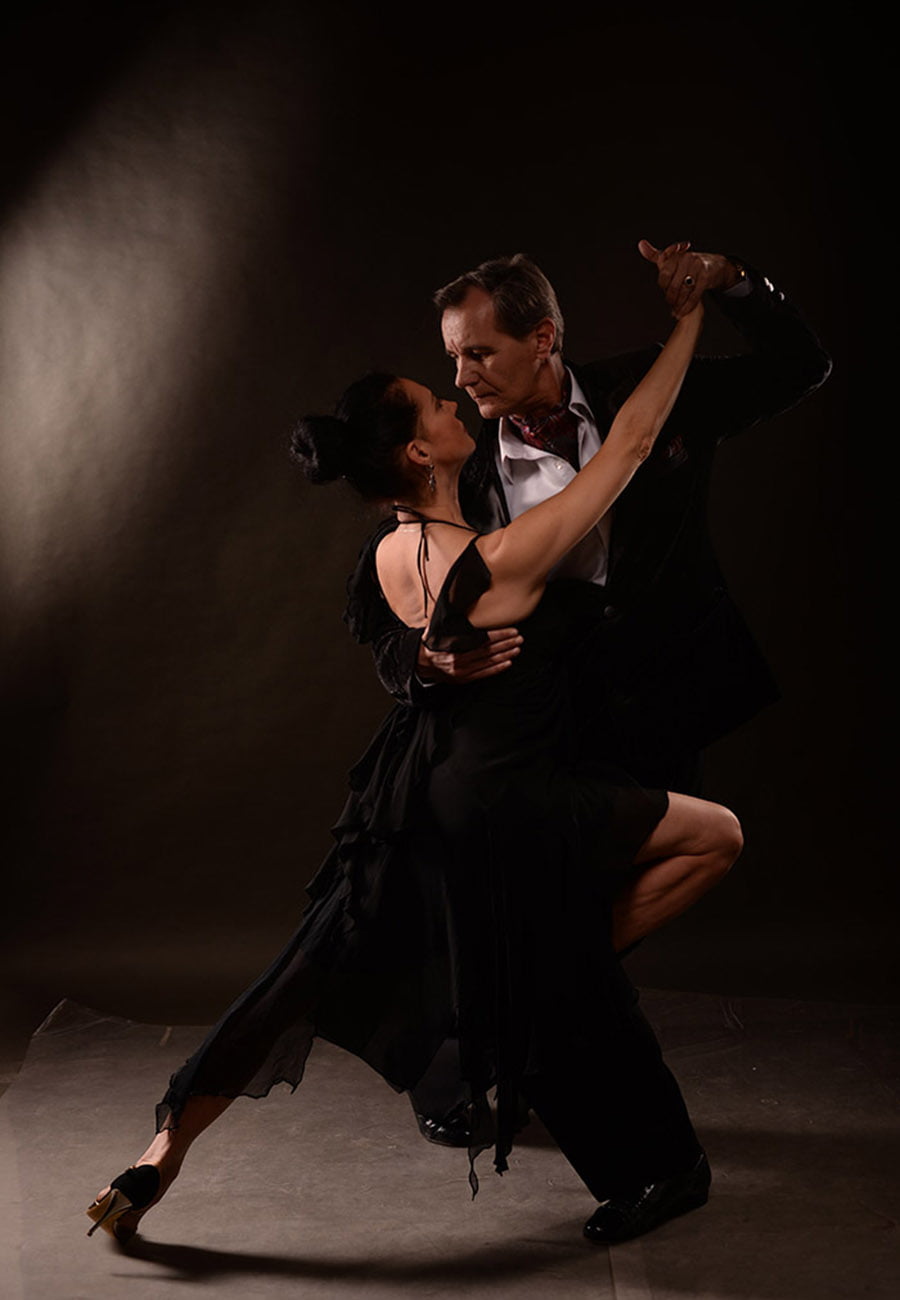
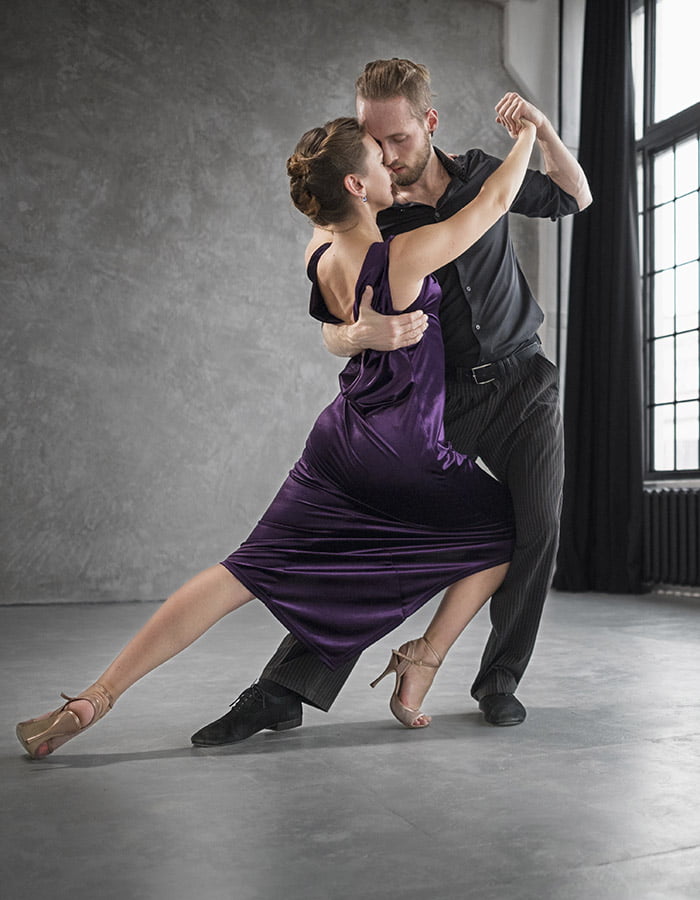
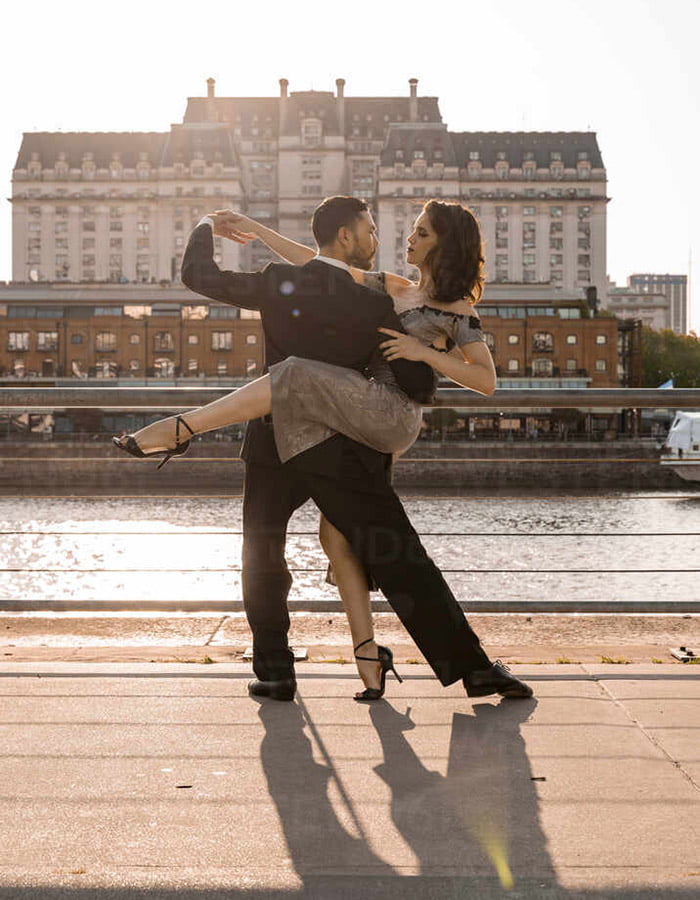
No agreement exists on where the Tango began, Argentina holds the strongest claim, though Brazil, Spain, and Mexico all get mentioned, with most historians tracing the root back to a Spanish folk dance called the Milonga. It reached American shores sometime between 1910 and 1914, an instant sensation for its dramatic, deliberate style.
Every eye in the room turns toward a Tango the second it starts, which is exactly why it’s classified as an exhibition dance. A partner isn’t required to begin, sign up on your own, and bring someone, maybe a neighbor from near Church Street, once you’re ready.
The Viennese Waltz
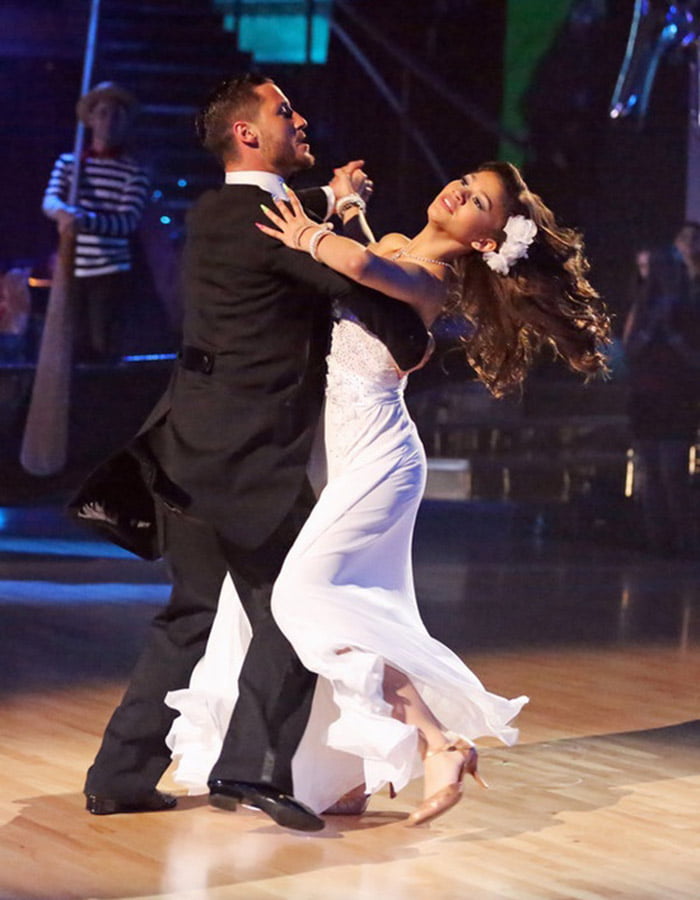
The name gives it away before anything else does, this is the dance that made the ballrooms of actual Vienna, Austria, famous, danced to some of the most recognizable orchestral music ever composed. It asks considerably more precision from a dancer than the standard Waltz, especially at speed, despite being, technically, a newer variation than its old-world reputation suggests.
A full floor of Viennese Waltzers looks closer to flight than dancing, an effect suited to formal balls and classic film far more than a casual Vienna, Virginia evening. Most students only add it once they’ve built real confidence through regular social dance lessons in Vienna.
The Bolero
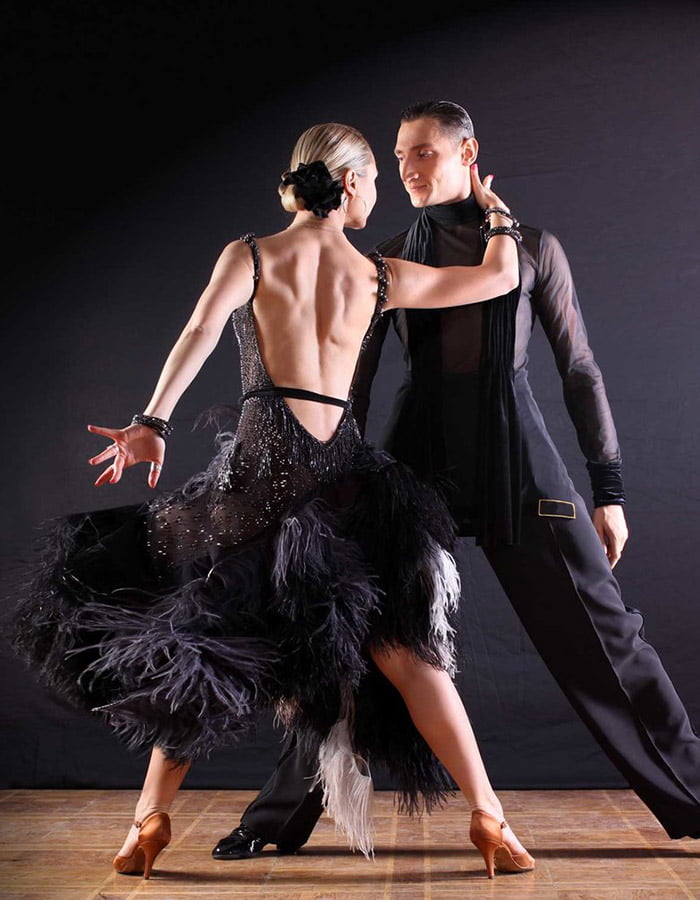
Bullfighting supplies the entire idea behind the Bolero’s choreography, the lead as matador, the follower alternating between playing the bull and the cape, the whole routine driven by a rise and fall generated in the body rather than the feet. It reached American audiences in the mid-1930s and has stayed one of the most physically demanding Latin dances taught since.
You’ll see it far less on a crowded social floor than Rumba or Cha Cha, but competitions and showcases still lean on it heavily. If you’re after a social dance studio in Vienna that pushes past the basics into real Latin technique, this is where that continues.