
SOCIAL DANCE
In 1814, when the British burned the White House, the Declaration of Independence and the Constitution were rushed here for safekeeping, making Leesburg the temporary capital of the United States for a matter of days. That’s the kind of town this is: a 1758 charter, a historic district on the National Register since 1970, and a King Street that still runs past buildings old enough to have witnessed all of it, now filled with breweries and boutiques instead of taverns and dry goods stores. Social dance lessons in Leesburg exist for people who want a piece of that same tradition, minus the formality, dance built for a wedding reception or a night out rather than a ballroom competition. It’s the same set of dances used in exhibition ballroom, Foxtrot, Tango, Swing, Cha-Cha, just repurposed for real rooms.
What separates social dancing classes in Leesburg from a competitive program is priority. Judges care about your frame. We care whether you can hold a conversation while dancing it. Ballroom Boutique Dance Studio has taught that distinction to Loudoun County dancers for years, and enough of our students commute in from Leesburg neighborhoods near the Historic District and out toward the Premium Outlets that it’s become a regular part of our weekly schedule. Our social dance lessons in Leesburg students count on aren’t designed for a stage, they’re designed for whatever’s actually happening on your calendar next.
The trick, talking without losing your footing, sounds harder than it turns out to be. Give it a handful of classes and most students in our social dance lessons in Leesburg find they can describe an evening spent on King Street mid-Waltz, no missed steps involved.
Benefits of the Dance
Burn Fat & Lose Weight
A genuine metabolic boost, real calorie burn over the course of an hour, and none of the joint pounding that comes with running. Ballroom dance earns its reputation as a smarter weight-loss habit.
Increase Flexibility
Nobody shows up with dancer’s flexibility on night one. It’s built in increments, class by class, as unfamiliar movement patterns become familiar ones, eventually paying off as sharper turns and steadier footing.
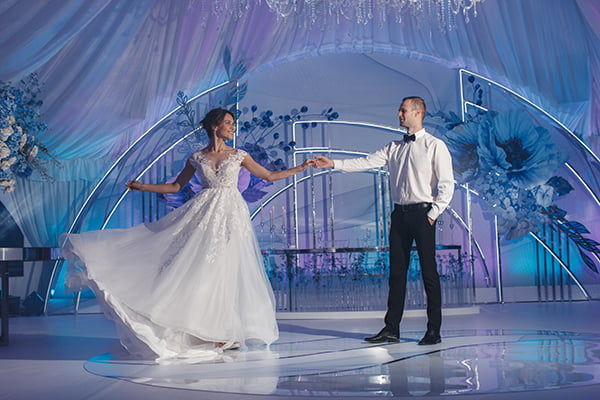
Increase Strength & Endurance
Resisting your own body weight through every pattern is a workout most students don’t clock until a few weeks in, when they suddenly notice they feel stronger walking around, not just dancing.
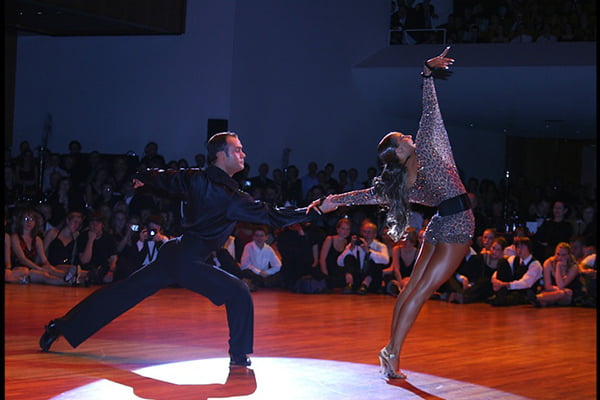
Great For All Ages
Kids from downtown Leesburg and retirees who’ve never danced a step in their life end up in the same classroom, improving at close to the same rate. Age turns out to matter far less than showing up.
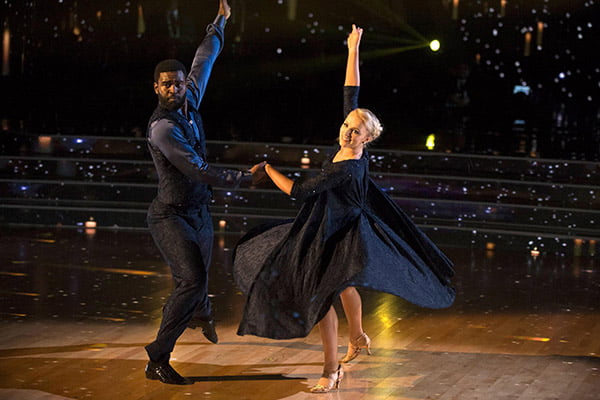
Physical Health
Blood pressure, cholesterol, bone density, Type II diabetes risk, the clinical case for dance checks every box, and it does it while feeling nothing like a doctor’s recommendation.
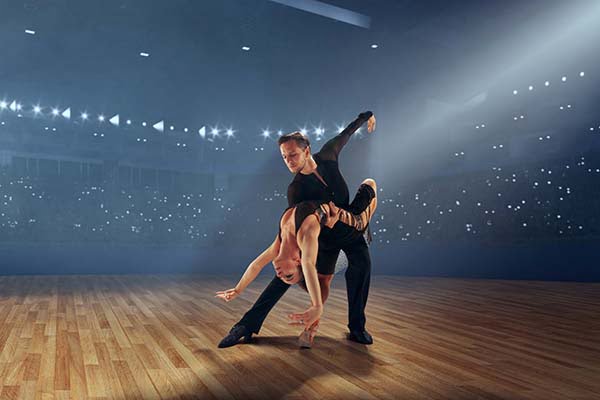
Mental Health
Put the phone away for an hour and let your brain focus entirely on movement. That’s a real reset, which is exactly why beginner social dance lessons in Leesburg tend to book up fastest on weeknight evenings.
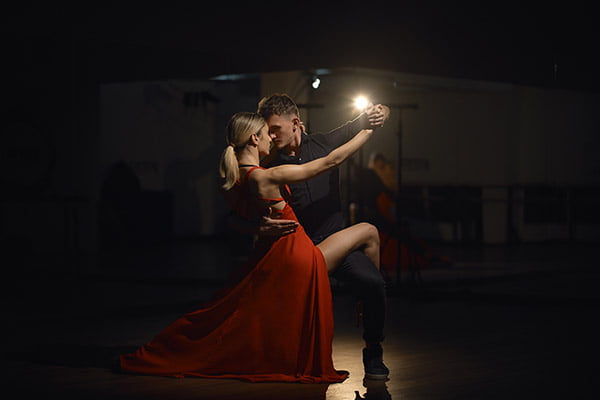
Confidence
There’s a specific kind of confidence that comes from leading a turn in front of strangers, and students in our social dance lessons in Leesburg program say it doesn’t stay on the dance floor. It follows them into work.
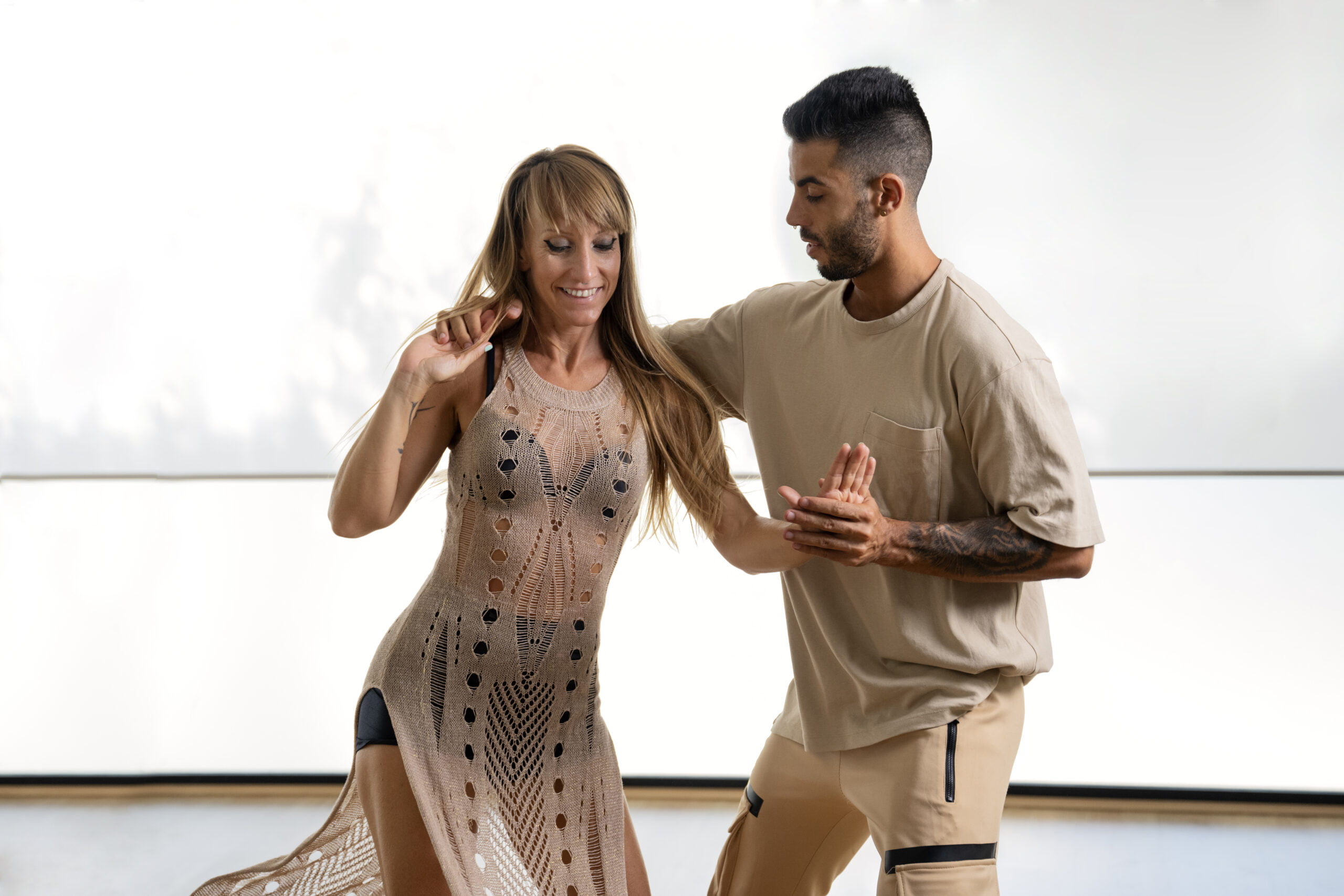
Self-Expression & Creativity
The steps are only the starting point. Once they stop demanding conscious thought, personal flair takes over, and a class stops feeling like instruction and starts feeling like your own style.
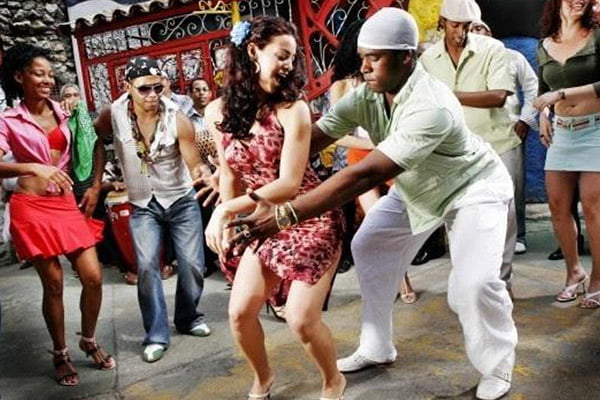
Social fun & Friendship
A lot of students walk in without a dance partner in tow. Most walk out with one anyway, plus a rotating circle of dance friends, easy to build in a county seat where the same faces keep turning up downtown.
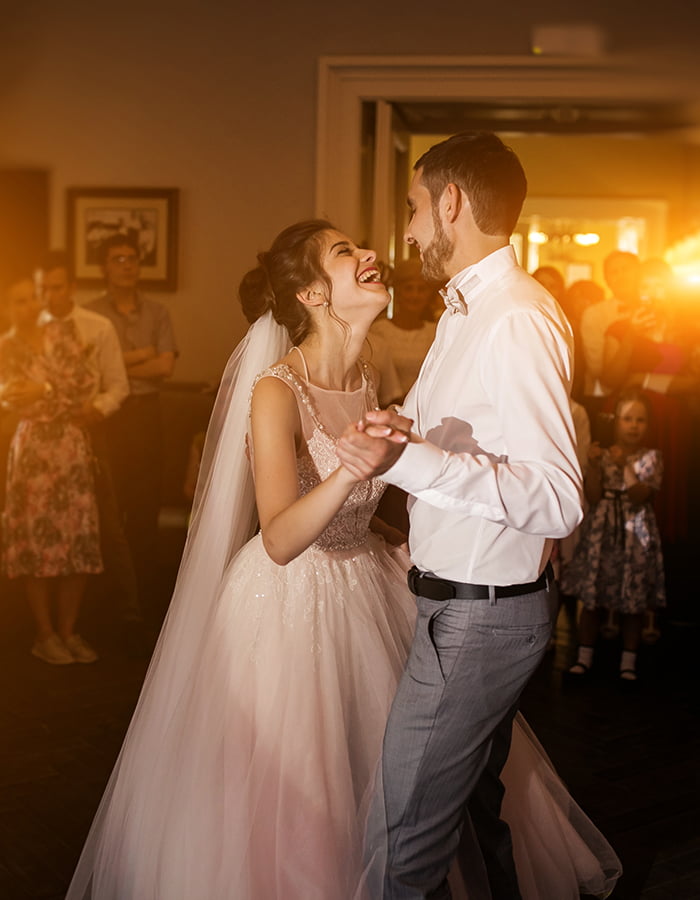
Wedding Dance
Technical perfection isn’t what makes a first dance memorable. Looking like you’re actually enjoying it does. That’s the entire philosophy behind our wedding dance programs, whether the routine you land on is a traditional Waltz or something with more energy that gets guests up and moving. Plenty of Leesburg couples celebrate near Morven Park or Oatlands, and just as many drive toward Ashburn for a bigger venue; either way, we build the choreography around your actual room.
Every couple gets nervous before a first dance, no exceptions for prior dance experience. Working through that nervousness ahead of time with an instructor is just as important as the steps themselves. Perfection was never the target. A dance that feels like the two of you is.
The Waltz
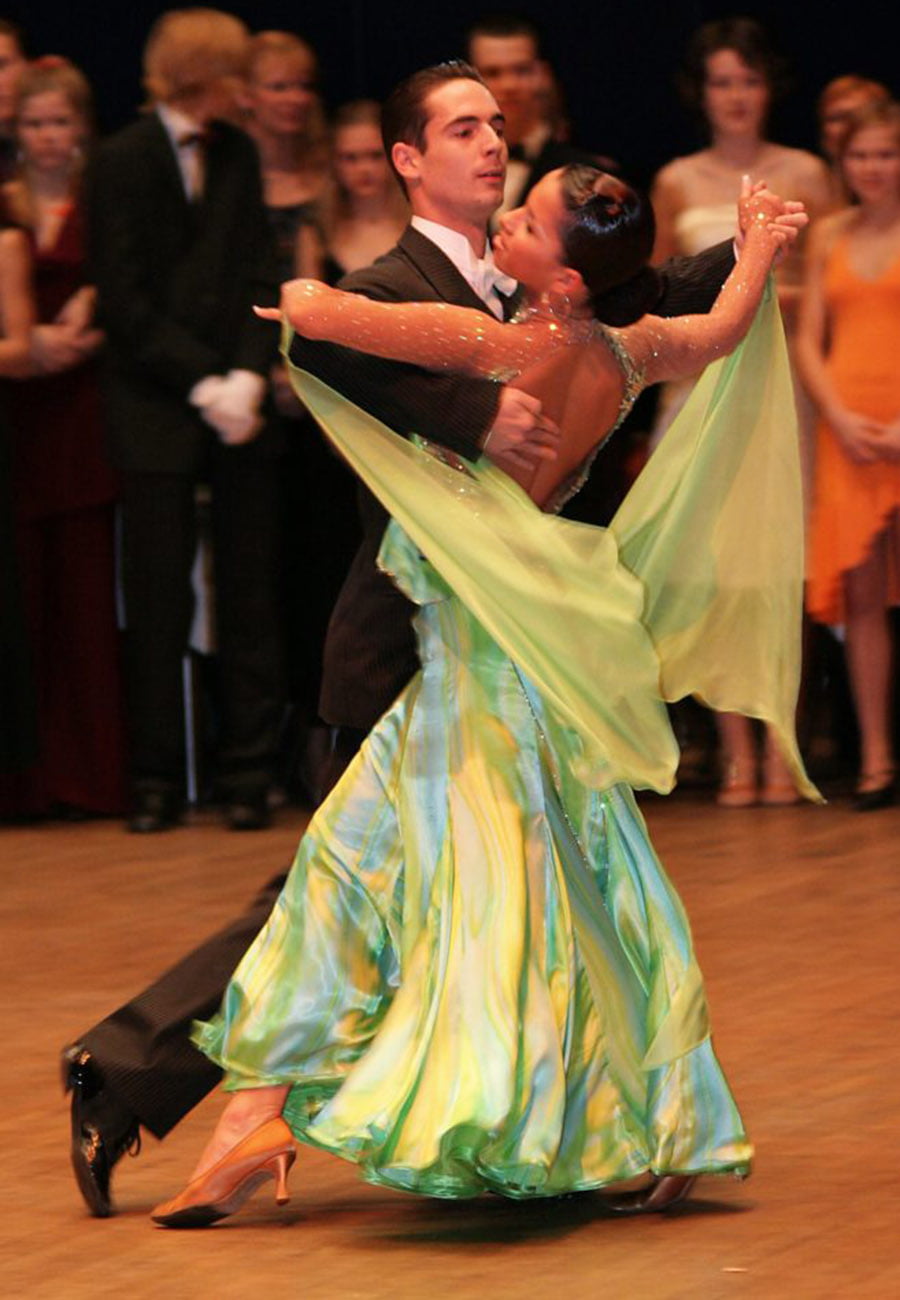
King Street empties out before the shops open, and there’s a particular calm to it in those early hours that the Waltz was practically designed to capture. The dance itself comes from the Ländler, an 18th century German folk dance built around a step, slide, step pattern in 3/4 time. Its close, turning embrace scandalized polite society when it first appeared; now it’s the default choice for anything formal.
What the Waltz actually teaches, sway, rise and fall, control of your frame, shows up again in nearly every other dance on this list. That’s the real reason beginner social dance lessons in Leesburg so often open with it rather than something flashier.
THE CHA CHA
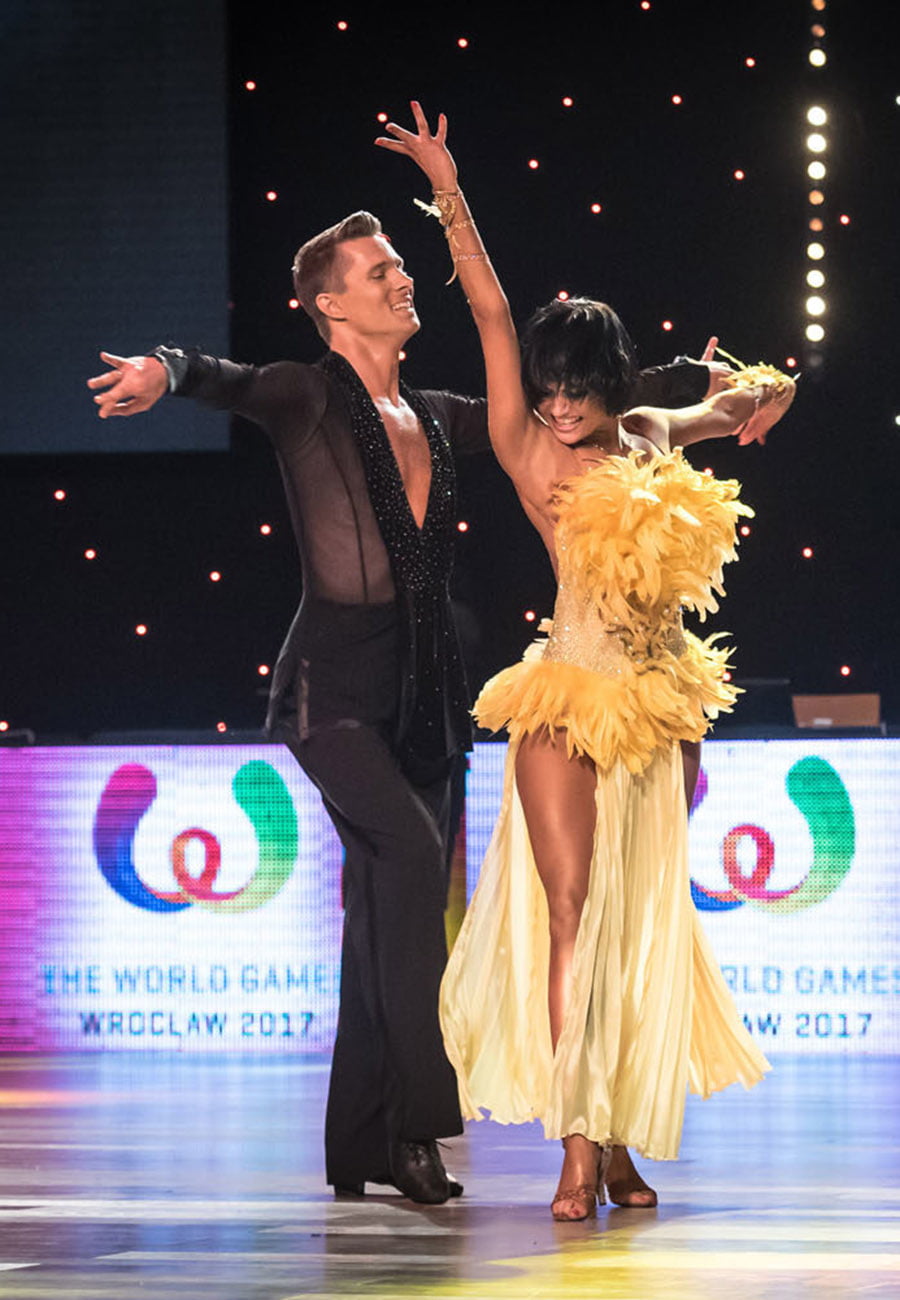
Here’s something that surprises most students: the Cha Cha has nothing to do with South or Central America, despite what most people assume. It’s an American original, invented when Mambo bands started playing at a slower tempo and dancers responded by adding a triple step into the gap left by the Mambo’s rocking motion.
That American origin hasn’t stopped it from becoming the standard entry point into competitive Rhythm dancing, and students who train near Market Station tend to pick it up fast, since the sharp staccato timing carries directly into half a dozen related styles.
The Foxtrot
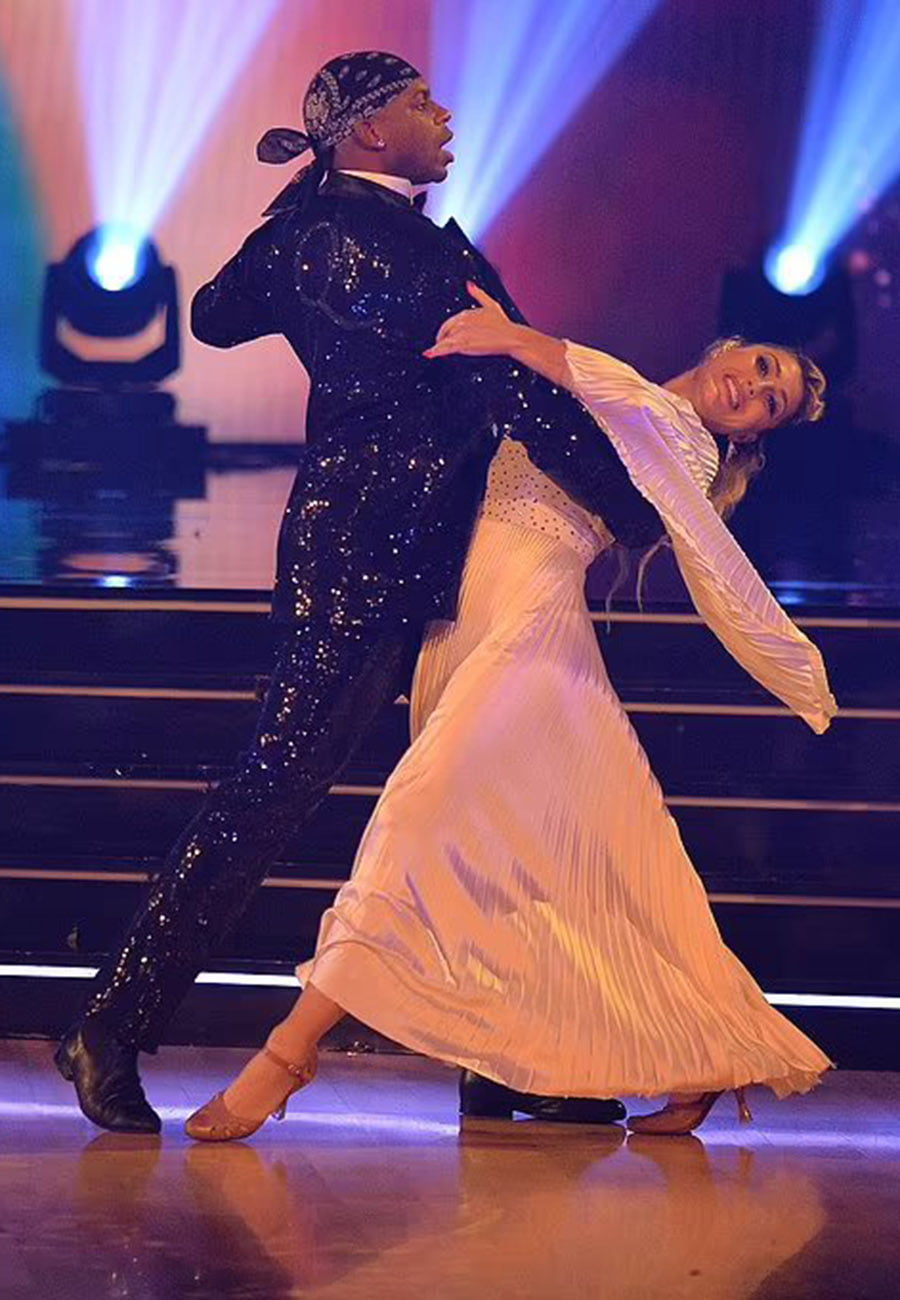
Picture the Waltz’s cousin, but running in 4/4 time instead of 3/4, and you’re close to the Foxtrot. Long, continuous strides define it, along with a “Magic Step” that mirrors a knight’s move on a chessboard: two steps forward, one to the side. It’s usually the pattern new students grasp fastest of anything on this page.
A century-plus of relevance says something about its range, equally at home at a low-key gathering near The Village at Leesburg as at a black-tie event. It’s also the quickest route to the actual point of our social dance lessons in Leesburg: staying loose enough in your steps to keep a conversation going.
The Hustle
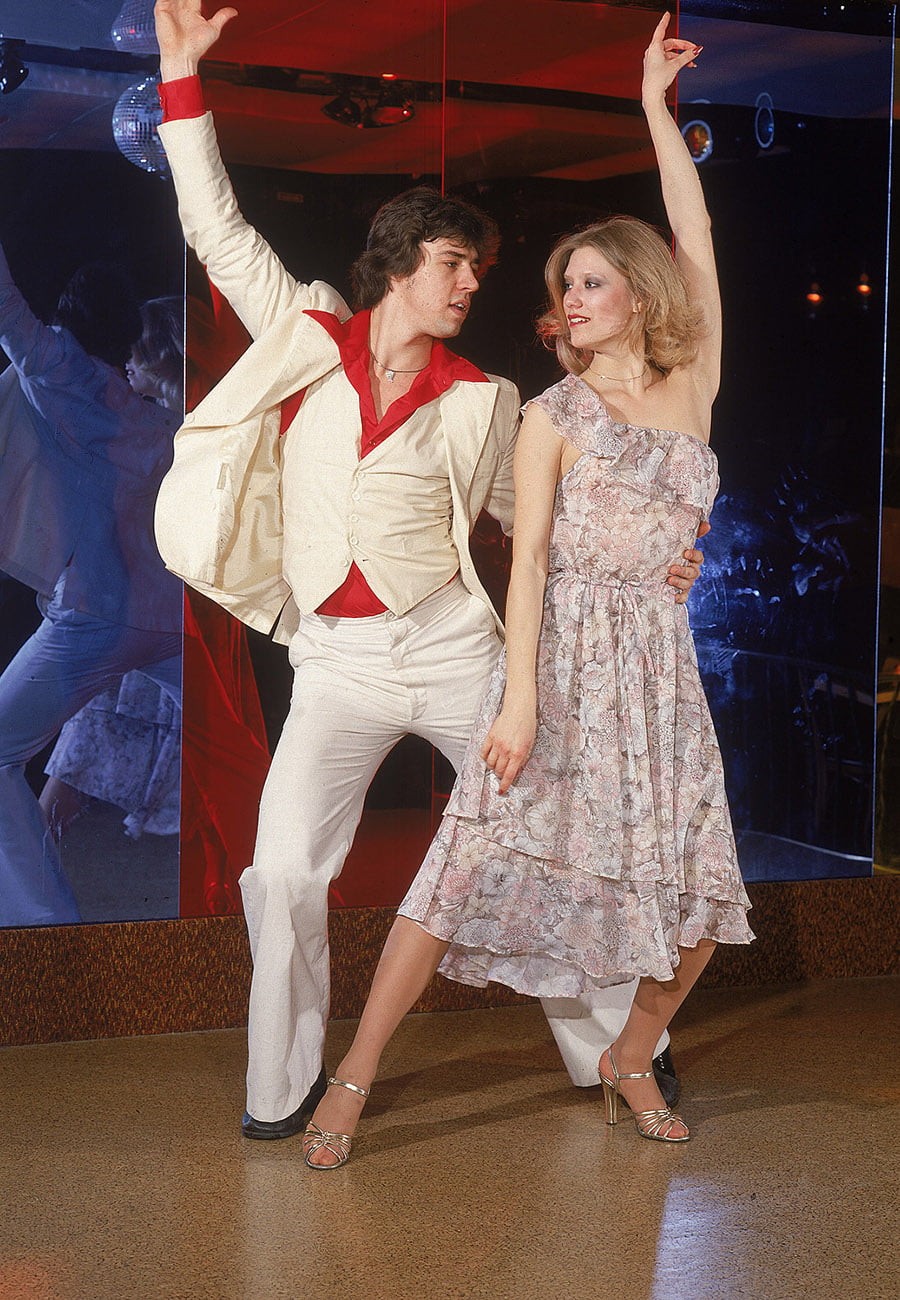
Nightclubs in the 1970s gave the Hustle its name, but disco alone doesn’t explain it. There’s Mambo in the footwork, Salsa in the turns, Swing in the overall energy, all riding a bassline built for spins and wraps. What people now call the New York Hustle, credited to the dancers who refined it there, actually started life under a different name entirely, the Latin Hustle.
Students planning a night out along the Leesburg Coffee Corridor request this one often, drawn by exactly the tight, high-energy room it was built for.
The Merengue
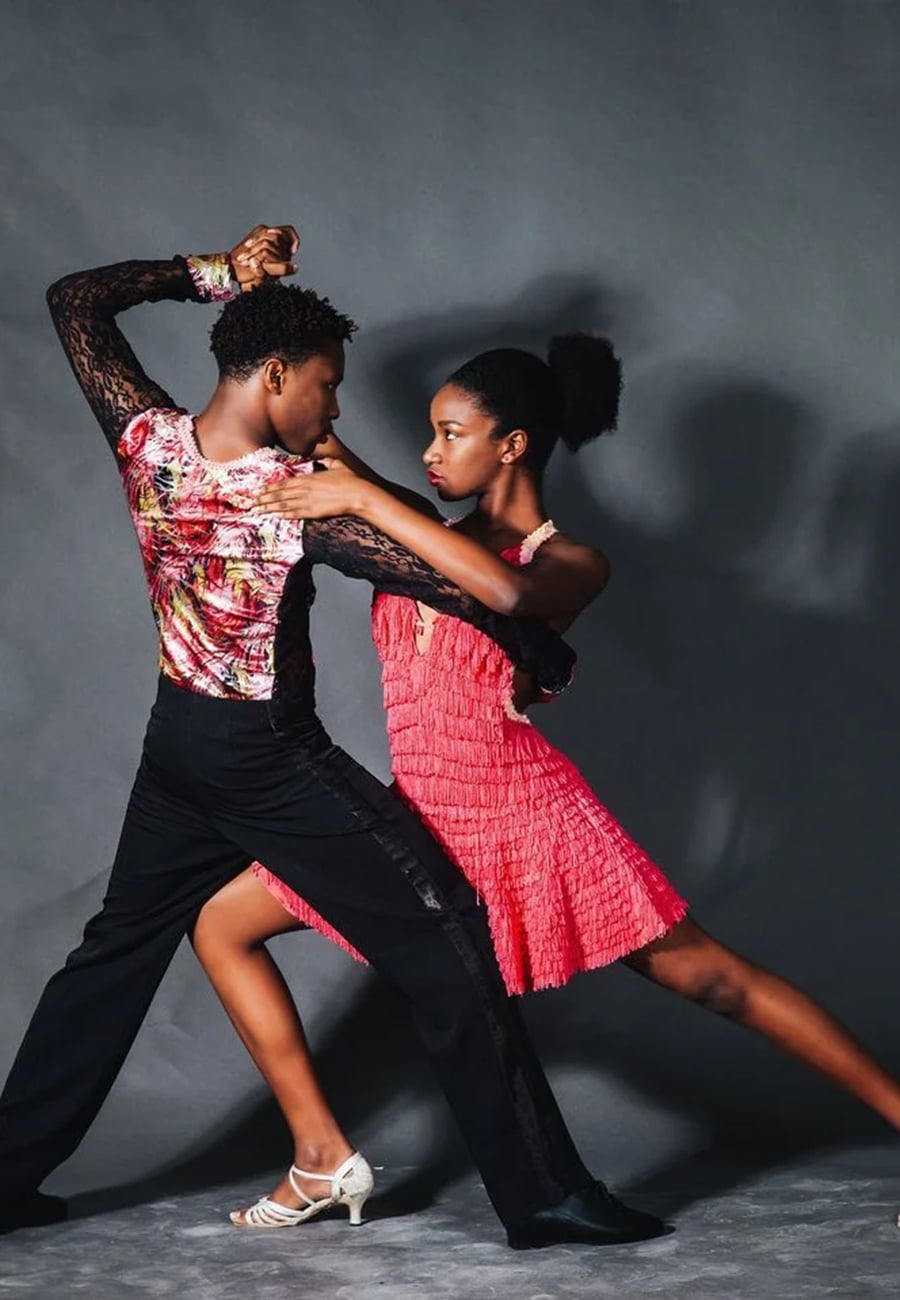
Total beginners land here first, and for good reason. The Merengue’s footwork is essentially walking, structured around an eight-count rhythm built on Cuban Motion and danced almost entirely in place, which leaves very little room for anything to feel wrong on a first attempt.
Its lineage runs through both West Africa and Spain, and it now holds the title of national dance in two countries at once, the Dominican Republic and Haiti, both of which call it the “singing dance” for its clipped, staccato feel. Most first-time Leesburg students end up starting exactly here.
Sign Up For a Lesson Today
We look forward to having you in our dance studio.
THE QUICKSTEP
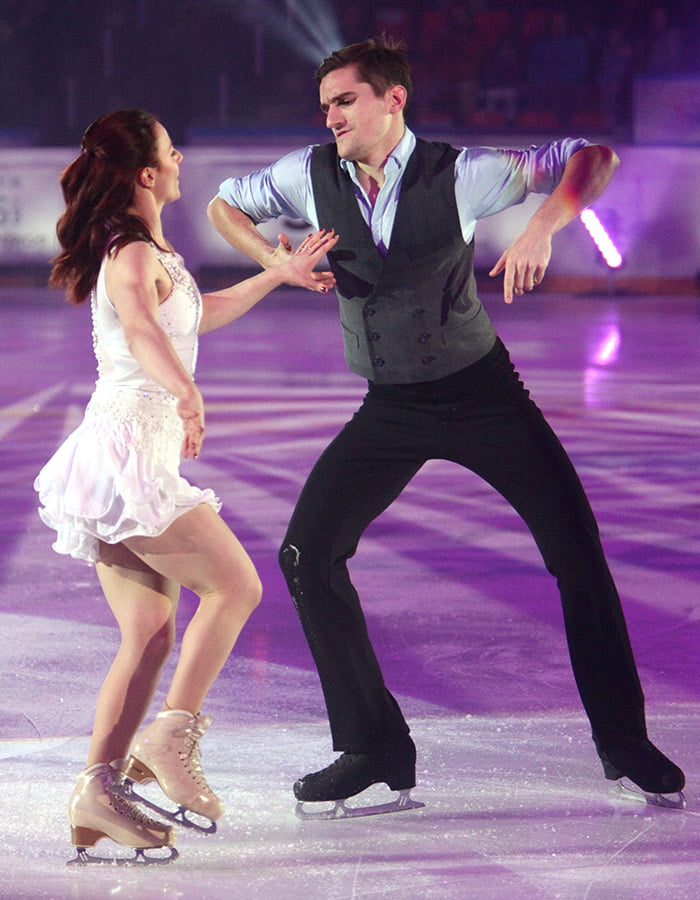
Slow and patient describes most of ballroom dance. Quickstep breaks that rule entirely, moving fast from the very first step. English dancers built it in the 1920s by fusing the Charleston with the Foxtrot, landing on something quicker and considerably more playful than either original.
That speed is exactly what makes it a competition showstopper, though beginners near downtown never start at full tempo. Footwork comes first, speed comes later.
THE RUMBA
Every element of the Rumba traces back to a Cuban rhythm called the Bolero-Son, which made its way into the United States in the early 1930s and never really lost its footing since. Smooth hip motion and a deliberate walking step define it, and the slower tempo exists specifically to give dancers room to build Cuban Motion, the technical foundation underneath most Latin dance.
The payoff extends well past the Rumba itself. Students who put real time into it typically see their Waltz, Cha Cha, and Salsa all improve almost simultaneously, which is exactly why it sits at the core of our social dance lessons in Leesburg curriculum.
The Salsa
Ask someone to picture Latin dance and there’s a good chance Salsa is what comes to mind first. Its DNA traces back to Cuban Son and Rumba, and the style took off through 1970s New York City studios before branching into distinct regional versions, Colombian, Cuban, Los Angeles, New York, Palladium, Puerto Rican, Rueda, On Clave.
Crowded, small dance floors are where Salsa genuinely shines, which makes it a strong fit for a busy Friday night along King Street’s restaurant strip.
The Swing
Call it Jitterbug, call it Boogie, call it Lindy, most East Coast instructors just settle on Swing. It descends from the Lindy Hop, absorbing the Charleston, Black Bottom, and Shag along the way before those styles merged into one recognizable form by the early 1940s.
The energy hasn’t dimmed at all in the decades since. Swing still pulls a whole room onto its feet, which is a big part of why it’s such a natural fit for a summer evening along the W&OD Trail.
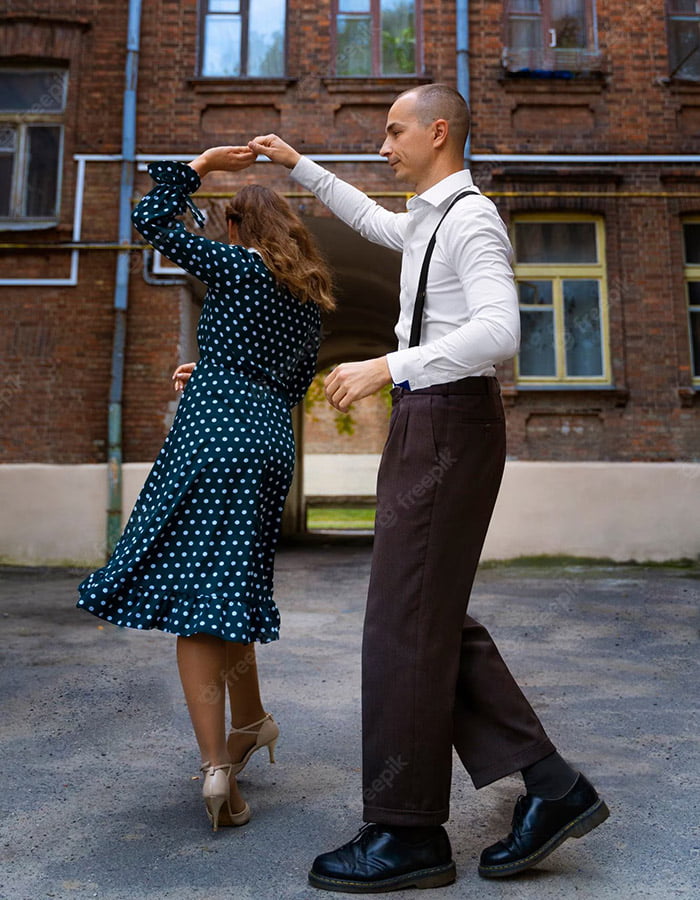
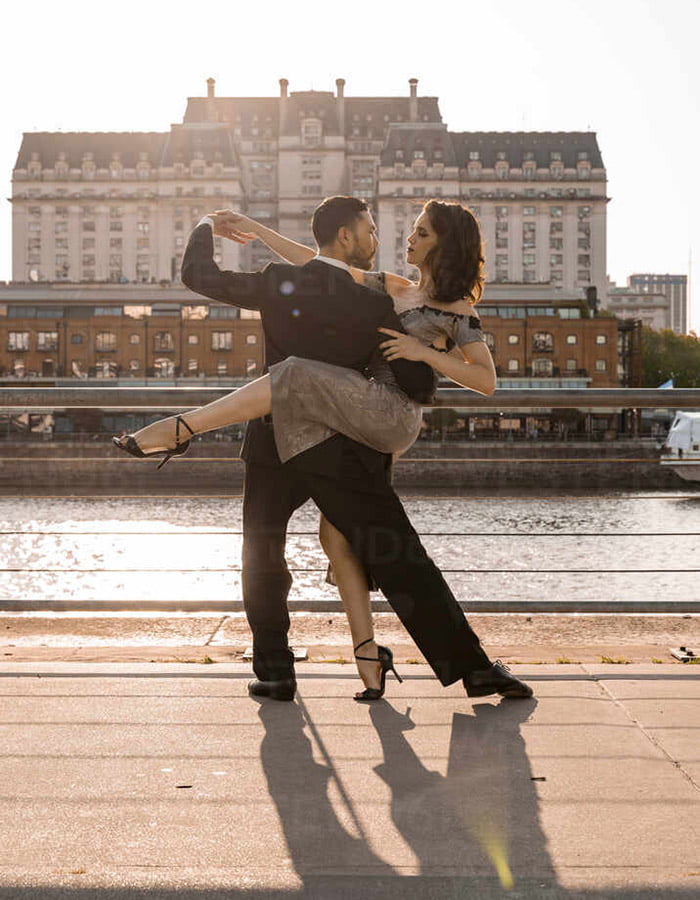
The Tango
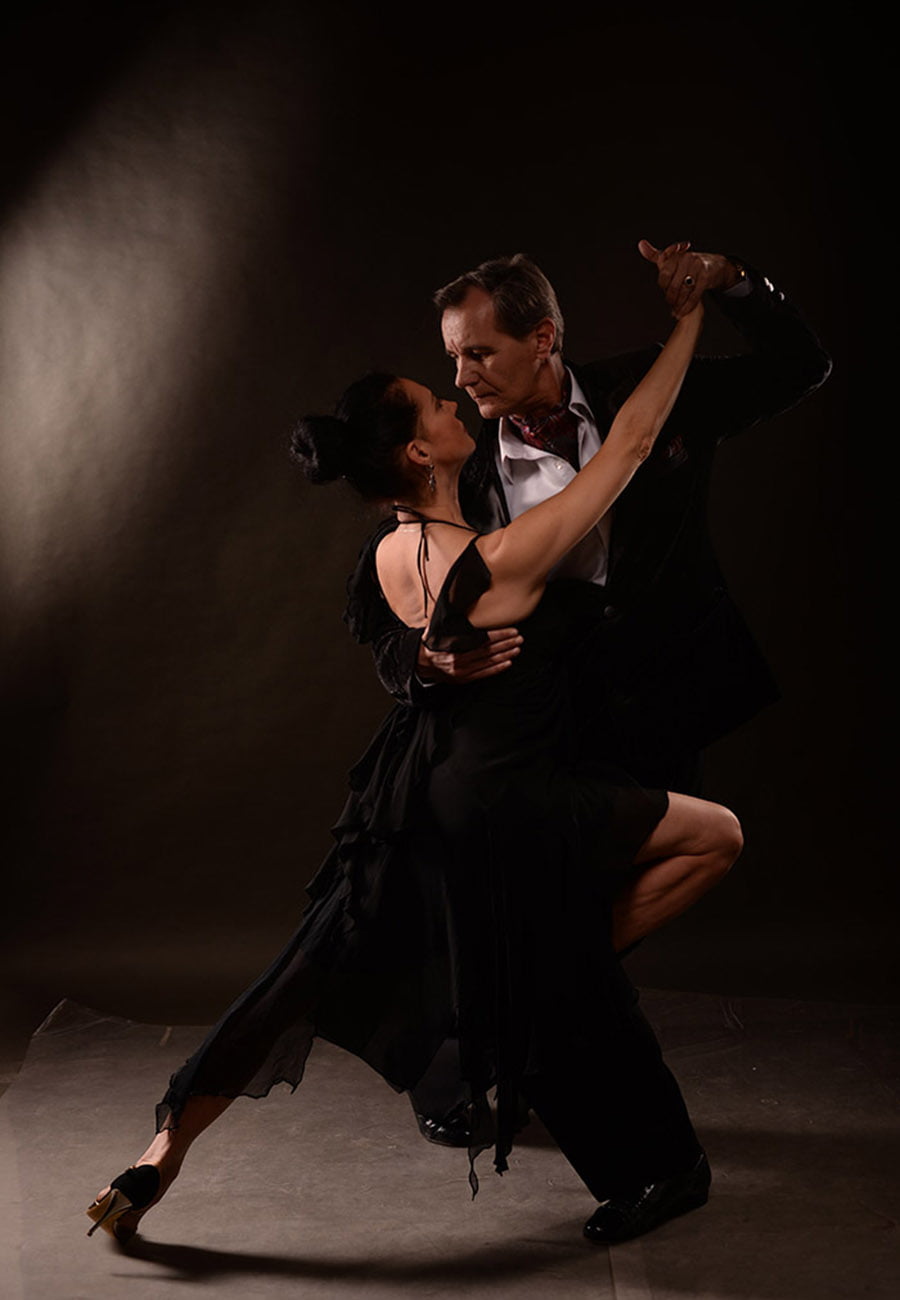
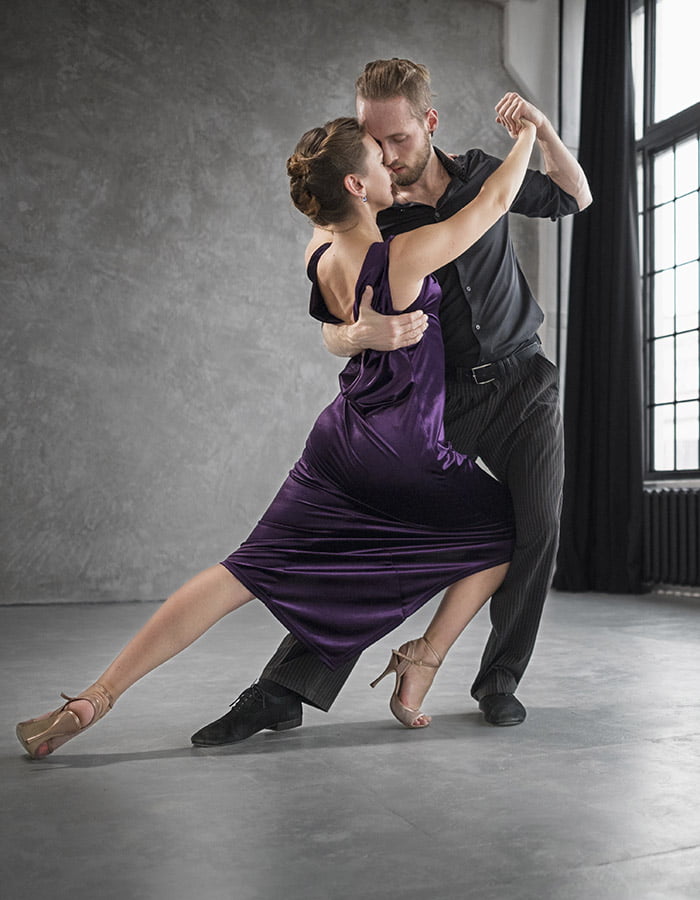
Nobody has ever settled the question of where the Tango actually began. Argentina, Brazil, Spain, Mexico, all get named, though most historians point back to a Spanish folk dance called the Milonga as the common thread. What is certain is its American debut, sometime between 1910 and 1914, an instant sensation thanks to its dramatic, deliberate style.
It’s classified as an exhibition dance for the simple reason that it commands every eye in the room. You don’t need a partner secured to start learning it, though, sign up solo, and bring someone once you’re ready, maybe a neighbor from downtown.
The Viennese Waltz
Speed the standard Waltz up considerably, ask more of the dancer’s technique, and the result is the Viennese Waltz. Despite its old-world reputation, it’s actually a newer variation, closer to the original closed-couple form than the modern Waltz is, typically danced to some of the most instantly recognizable orchestral pieces ever written.
A full floor of Viennese Waltzers gives the impression of watching flight rather than dancing, which explains why it belongs more to formal balls and classic film than a casual Leesburg evening. Most students pick it up only after building real confidence through regular social dance lessons in Leesburg first.
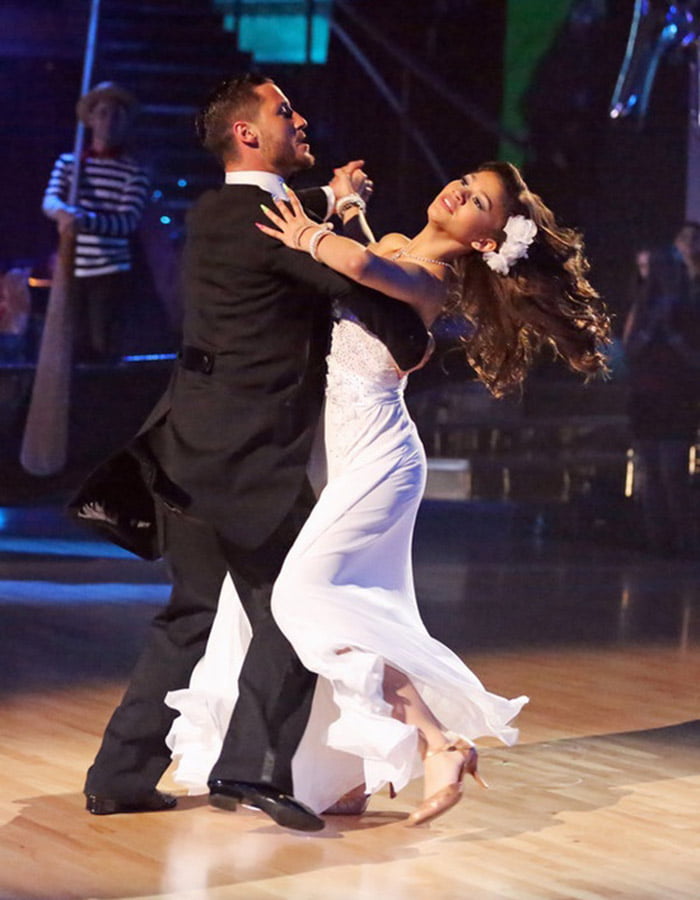
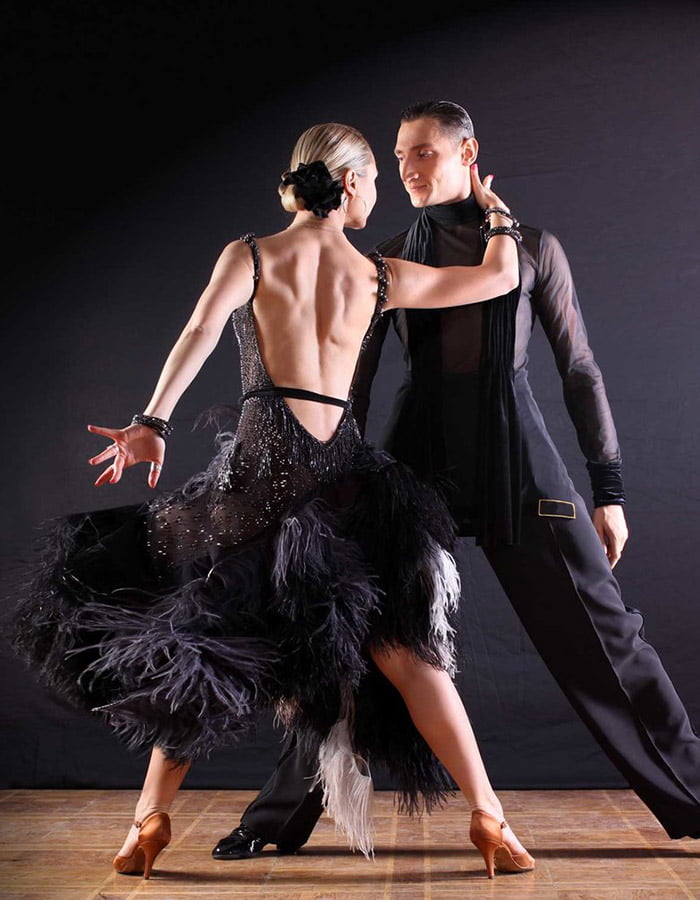
The Bolero
By the mid-1930s, the Bolero had reached American audiences, and it’s stayed one of the most physically demanding Latin dances on any studio’s schedule ever since. Bullfighting supplies its choreography’s core idea: the lead becomes the matador, the follower shifts between representing the bull and the cape, all driven by a rise and fall that originates in the body rather than the feet.
That intensity keeps it off the social dance floor more often than Rumba or Cha Cha, but competitions and showcases still favor it heavily. Anyone hunting for a social dance studio in Leesburg willing to go past the fundamentals into serious Latin technique eventually ends up here.