
SOCIAL DANCE
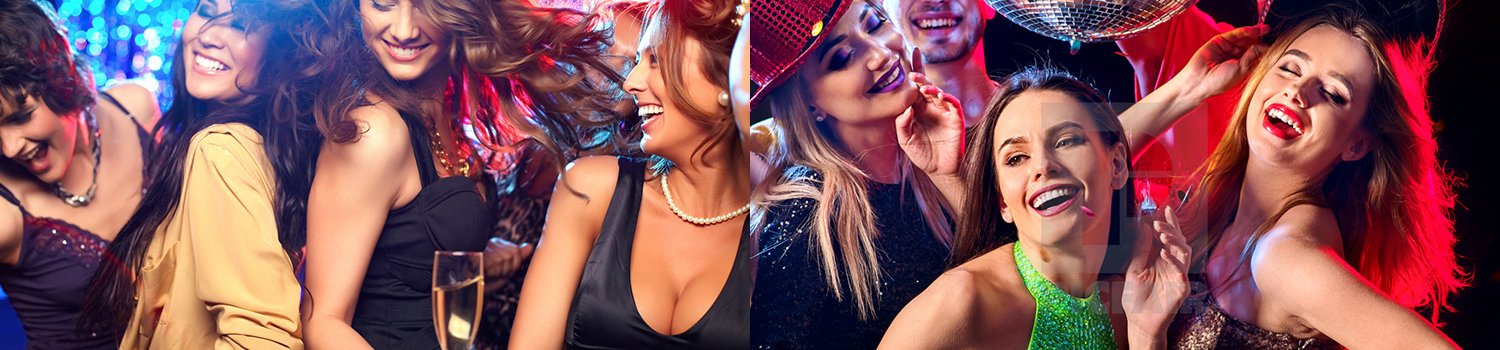
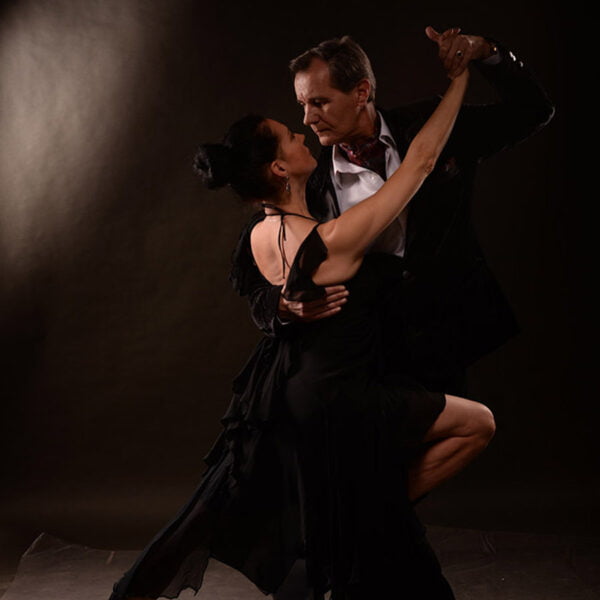
Downtown La Plata was almost entirely rebuilt after an F4 tornado tore through it in April 2002, killing three people and leveling much of the historic business district. What stands there now, the restored old train station area, the Charles County Courthouse complex, the Saturday farmers market held behind it, reflects a community that put itself back together the hard way. Anyone searching for social dance lessons in La Plata is probably after something with that same kind of resilience, the confidence to move well with a partner at a wedding, a retirement party, or a night out. Social dancing borrows the same technical vocabulary as exhibition ballroom, Foxtrot, Tango, Swing, Cha-Cha, but drops the scoring panel entirely, leaving a version built for real gatherings.
Here’s the trade-off social dancing classes in La Plata are built around: a partner who can hold a conversation beats a partner with a flawless frame every time. It’s also worth being direct about distance here. Ballroom Boutique Dance Studio sits in Herndon, Virginia, roughly sixty to seventy miles northwest across the DC metro area, well outside a realistic weekly commute from Charles County. Students who’ve found our social dance lessons in La Plata worthwhile have generally planned around occasional workshop visits or a block of private lessons scheduled together rather than a weekly drop-in routine, and we’re glad to talk through what actually makes sense given the drive.
Talking while you dance is a learned skill, not a natural gift, and it comes together faster than most expect once you’re actually in the room. A handful of sessions into our social dance lessons in La Plata, students find themselves recapping a recent Saturday morning at the farmers market without losing a single Waltz step.
Benefits of the Dance
Burn Fat & Lose Weight
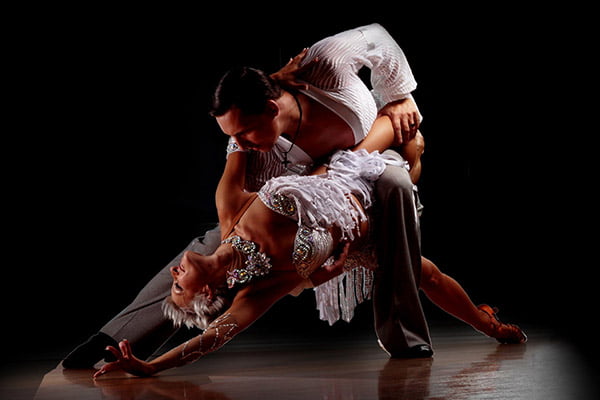
Ballroom dancing is a low-impact aerobic activity that burns real calories and lifts your metabolism, all without the joint strain a run puts on your knees. It’s an effective way to lose weight and stay toned once you reach your goal.
Increase Flexibility
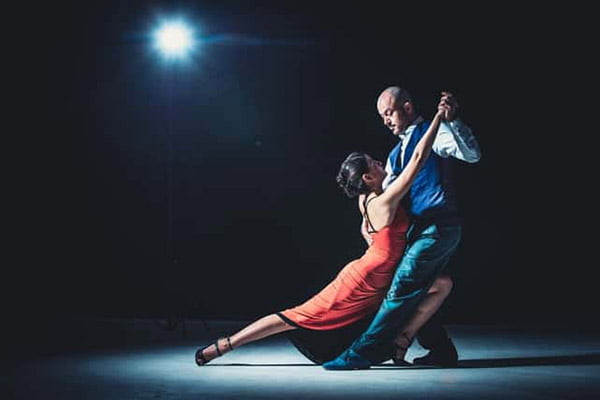
Range of motion opens up gradually, session after session, as your body adapts to movement patterns it hasn’t practiced before. That flexibility eventually shows up as cleaner turns, better balance, and fewer nagging aches on and off the dance floor.
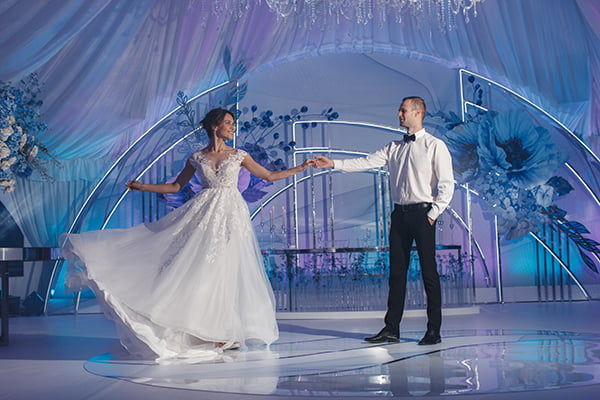
Increase Strength & Endurance
Every dance pattern quietly doubles as a strength exercise, since your legs and core spend the whole class resisting your own body weight. Students often report feeling noticeably stronger within just a few weeks of lessons.
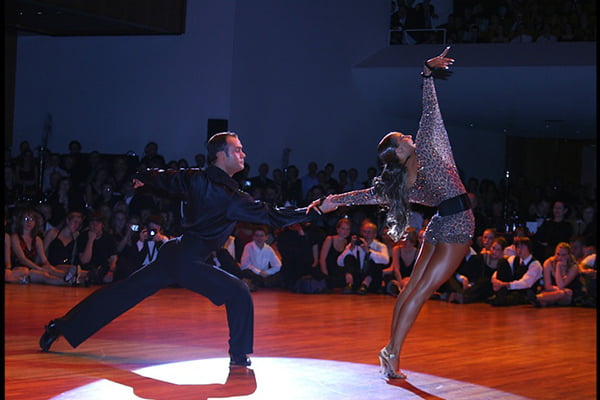
Great For All Ages
Ballroom dance welcomes every age and ability, from local kids learning their first steps to longtime Charles County residents trying dance for the very first time in retirement. We work with true beginners as well as dancers returning to the floor after years away.
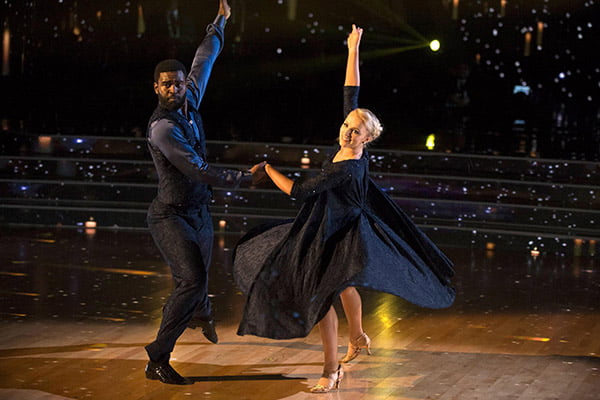
Physical Health
Ballroom dance can help lower blood pressure and cholesterol, improve cardiovascular health, strengthen bones, and reduce the risk of obesity and Type II diabetes, all while feeling far less like exercise than a gym routine.
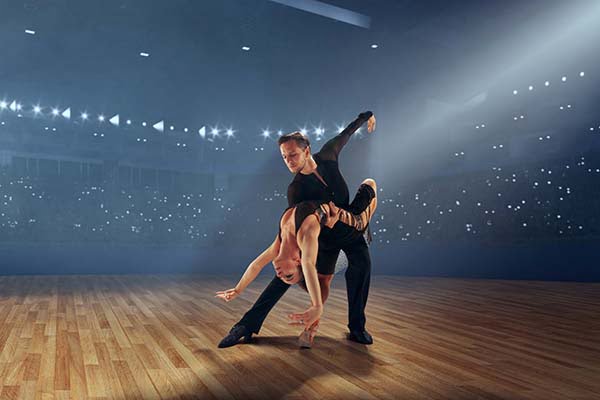
Mental Health
Research shows ballroom dancing supports mental sharpness throughout a dancer’s life, and an hour with your phone out of reach offers real relief from daily stress. That reset is part of why beginner social dance lessons in La Plata draw genuine interest from first-time students exploring something new in a close-knit county seat.
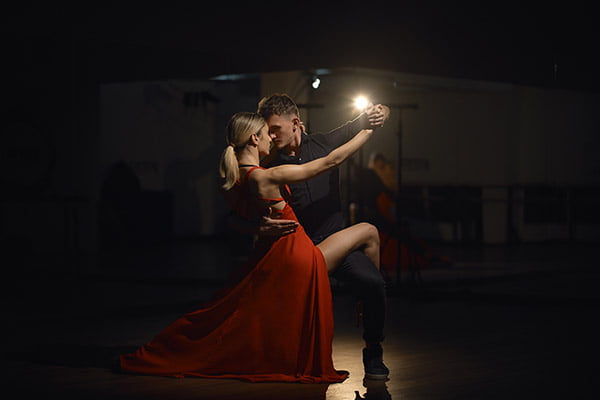
Confidence
Every class and every social event builds comfort, poise, and communication on the floor. Students consistently tell us that confidence gained in our social dance lessons in La Plata carries over into everyday conversations and community events.
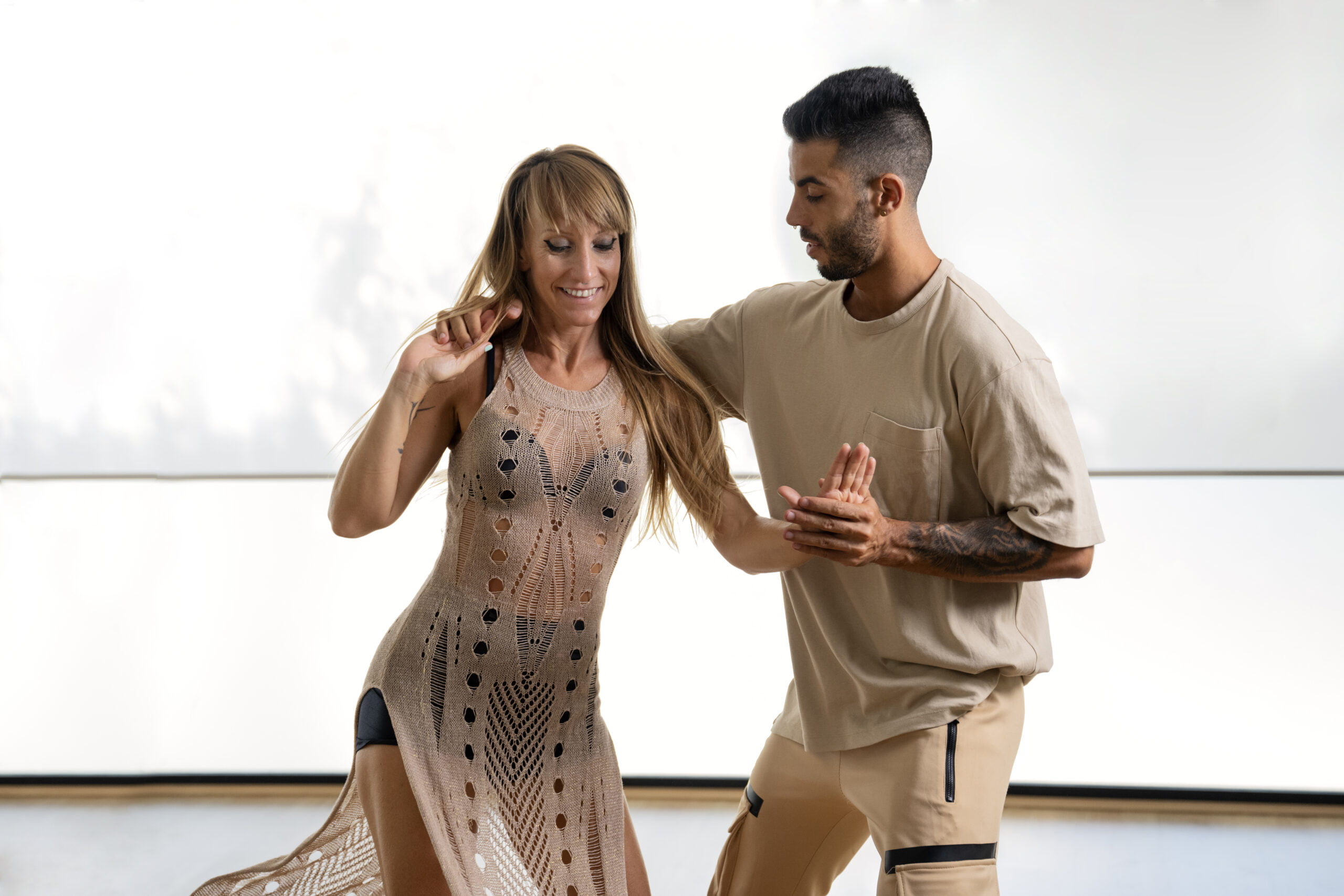
Self-Expression & Creativity
Ballroom dancing is a genuine creative outlet, since dance lets you express feeling through movement, alone or with a partner. Students add their own style and flair once the basics stop requiring conscious thought.
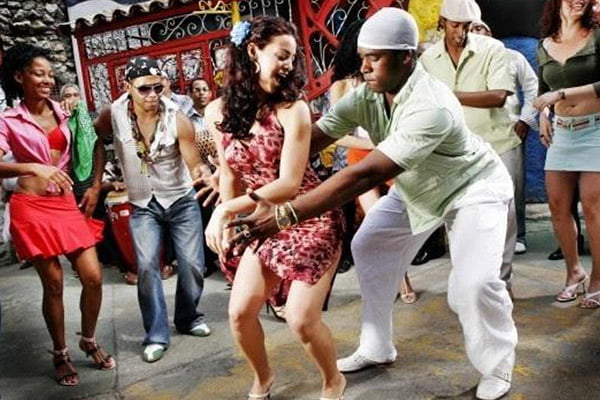
Social fun & Friendship
Lessons give you a low-pressure way to expand your social circle and meet people who share your interest. In a county seat the size of La Plata, dance introduces students to neighbors they might never otherwise cross paths with, whether they’re driving in from Waldorf or Bel Alton.
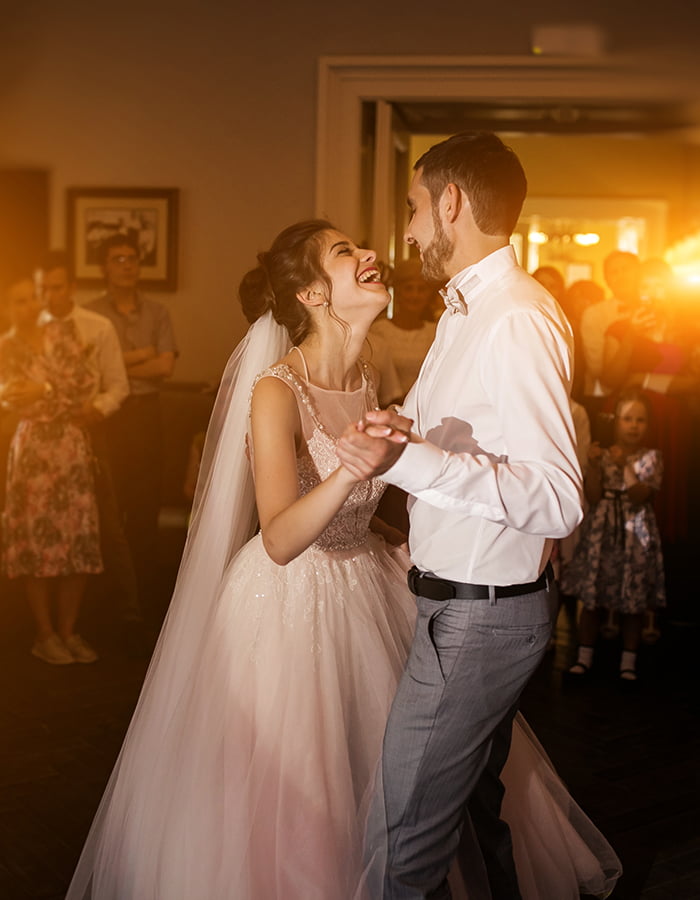
Wedding Dance
Get ready for the dance of your life. Our wedding dance programs help you build a first dance you’ll both remember, starting from the moment you say “I do.” From a simple, elegant routine to a full performance for the wedding party, we help make your day even more special. Charles County couples often celebrate at a venue near downtown La Plata or drive toward Waldorf for a larger space, and our instructors prepare couples with real dance experience and true beginners alike, coordinating lesson scheduling around the distance involved.
Our instructors know how to put nervous couples at ease and turn a first dance into a moment filled with joy rather than anxiety. Whether you want to Waltz, Swing, Cha Cha, Foxtrot, or Quickstep, we help ensure you and your partner are ready to dance in front of family and friends on your wedding day.
The Waltz
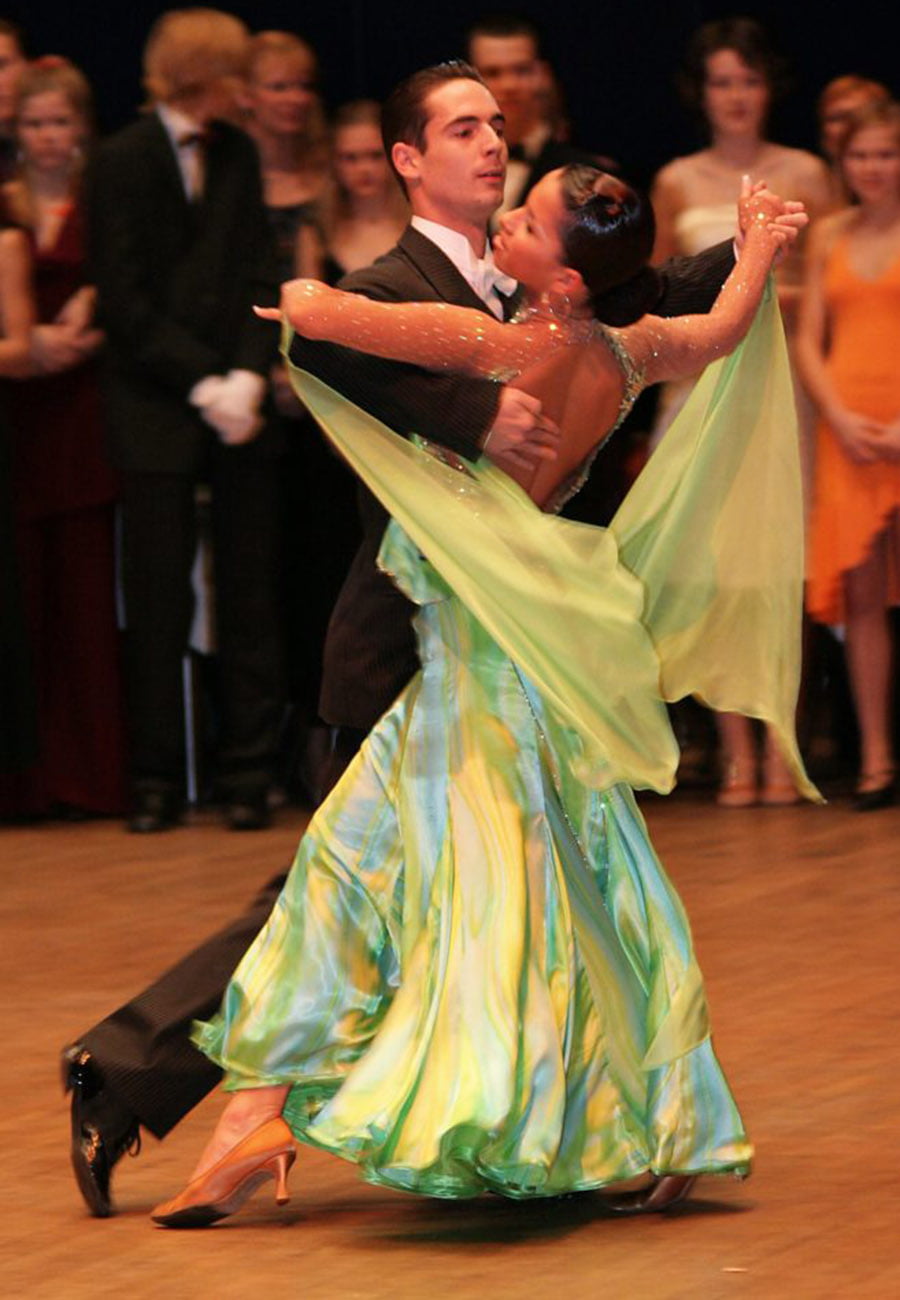
There’s a rebuilt steadiness to downtown La Plata, the kind that comes from a community that put itself back together after real loss, and that same quality echoes in the Waltz. It traces back to the Ländler, a German folk dance from the 18th century, and is built on a step, slide, and step pattern in 3/4 time. Its turning, embracing couples once scandalized polite society; today it is the standard for romance and sophistication on any dance floor.
Any dancer who learns the Waltz sees an immediate benefit in every other dance they study, since it teaches sway, rise and fall, balance, and control. It is simple enough for a first lesson yet elegant enough for a formal event, which is why so many beginner social dance lessons in La Plata begin here.
THE CHA CHA
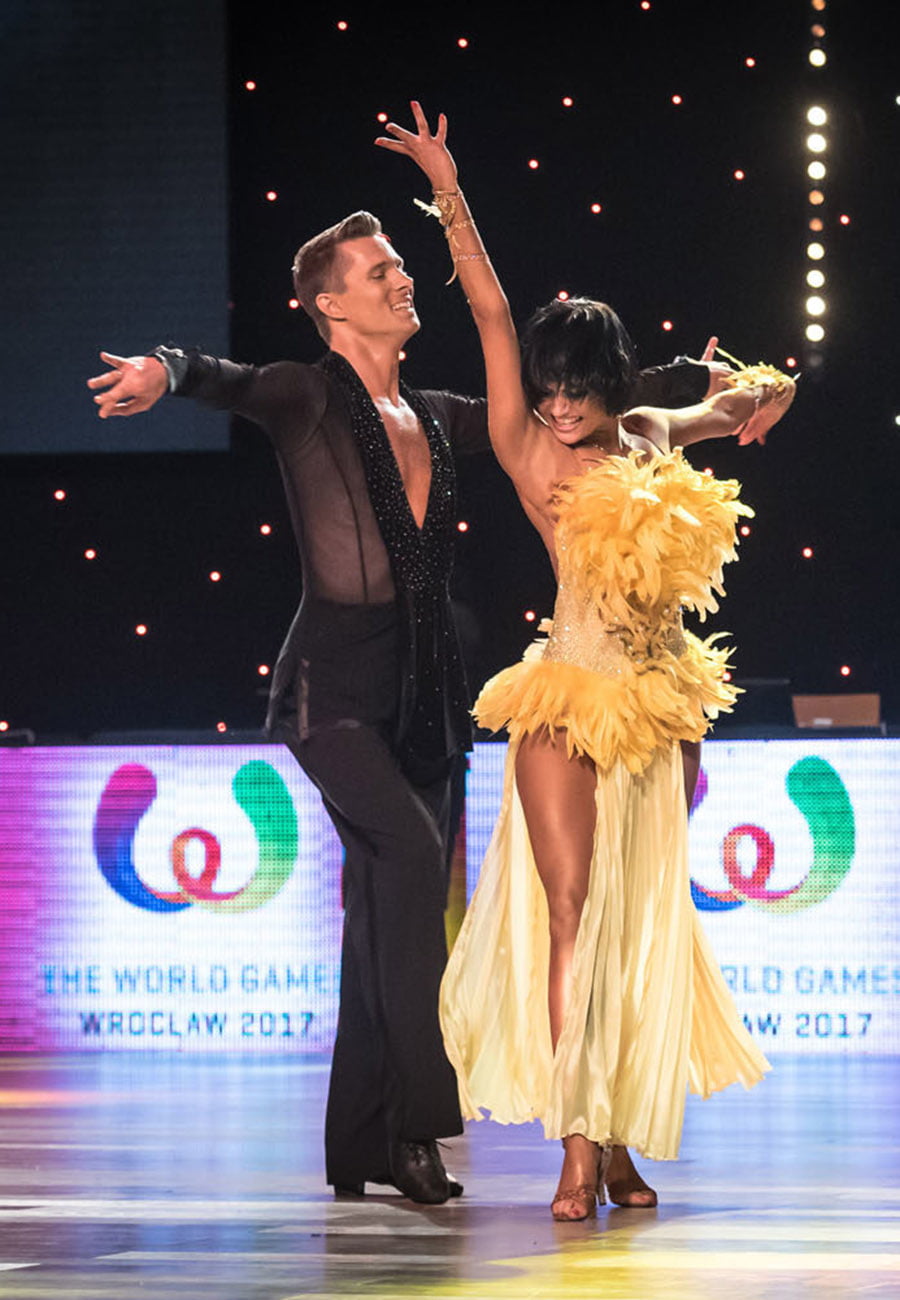
To learn the Cha Cha is to love the Cha Cha. Sharp staccato action, shifting rhythms, and playful patterns make it one of the most requested Latin dances among students who make the trip in from La Plata. It is the first impression dance for competitive Latin and Rhythm dancers and connects directly to nearly every American Rhythm style, which means the moves you pick up here carry over everywhere else.
Many people assume the Cha Cha started in South or Central America, but it actually developed in the United States as an adaptation of the Mambo. Mambo bands began slowing their tempo, dancers added a triple step between the forward and back rocking steps of the Mambo, and the Cha Cha was born.
The Foxtrot
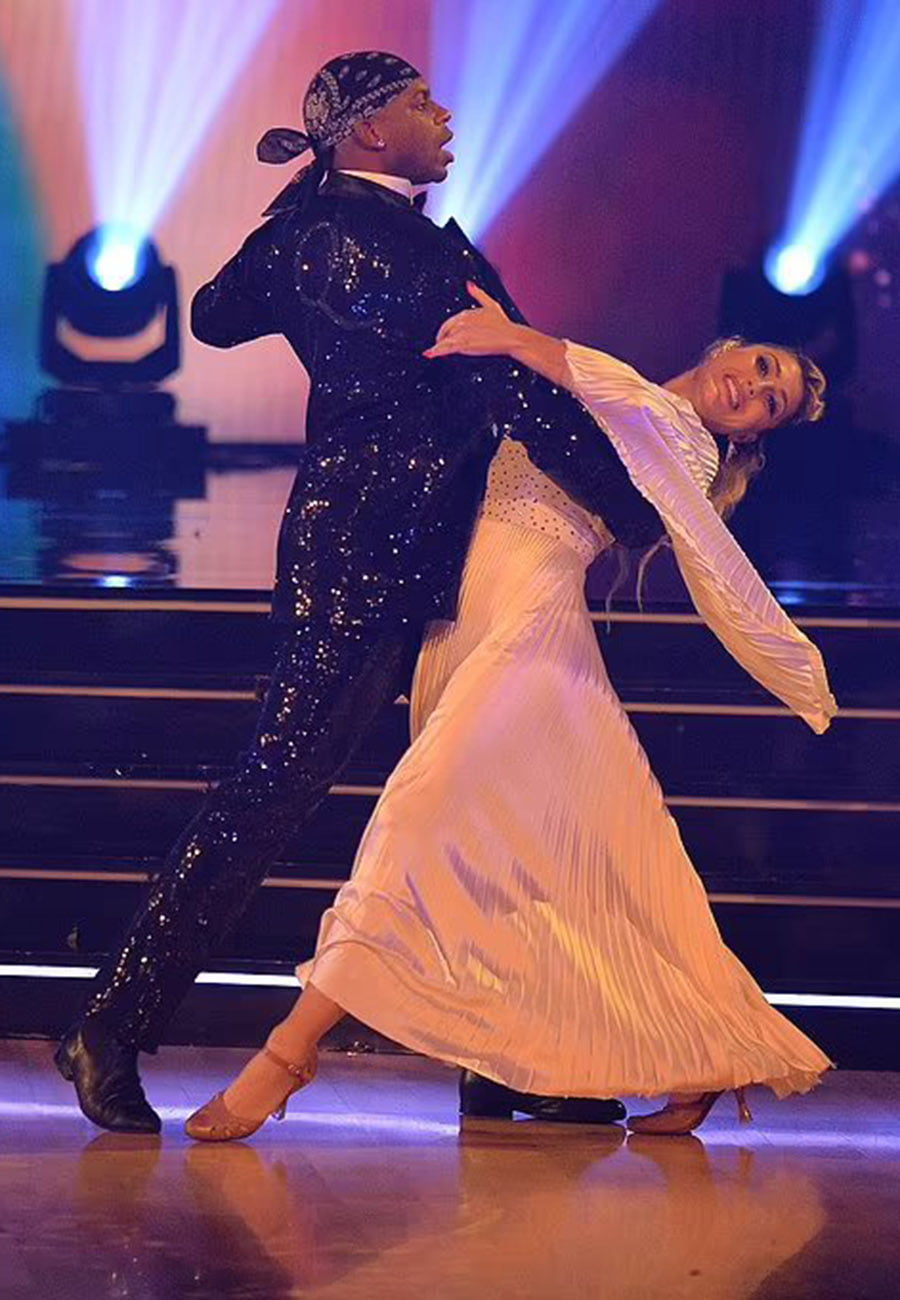
Of all the ballroom dances, the Foxtrot best represents smooth, polished movement. It is a progressive dance built on long, continuous, flowing steps across the floor, and it shares a visual family resemblance with the Waltz, though it runs in 4/4 time instead of 3/4. The Foxtrot’s “Magic Step” traces the same shape as a knight’s move in chess: two steps forward, one to the side, and it is genuinely simple to pick up.
The Foxtrot is not the flashiest dance in the room, but it has stayed relevant for more than a century because it works everywhere, from a casual gathering near the courthouse square to a more formal event. It is also the fastest way to learn the core skill behind our social dance lessons in La Plata: how to talk comfortably while you move.
The Hustle
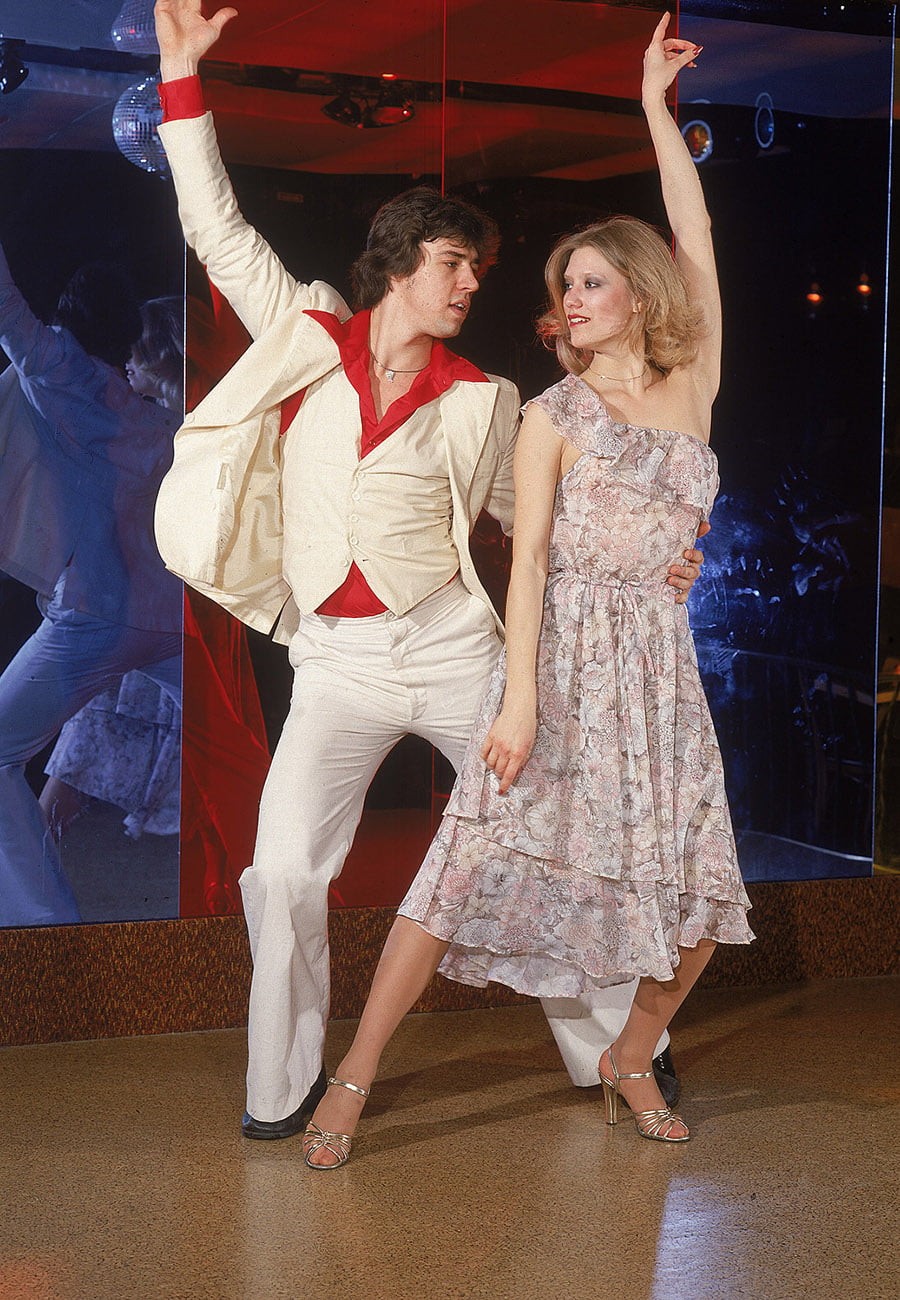
The Hustle began as a catch-all term for the disco dances that filled 1970s nightclubs, and it remains one of the most popular partner dances at clubs today. It shares features with the Mambo, Salsa, and Swing, and it is typically danced to music with a strong bass beat, which makes for exciting turns, spins, and wraps.
The modern partnered version is sometimes called the New York Hustle, since dancers in that city helped shape the style that spread across the country; its original name was the Latin Hustle. It’s a common request among students planning a night out near Waldorf, the kind of energetic setting the Hustle was built for.
The Merengue
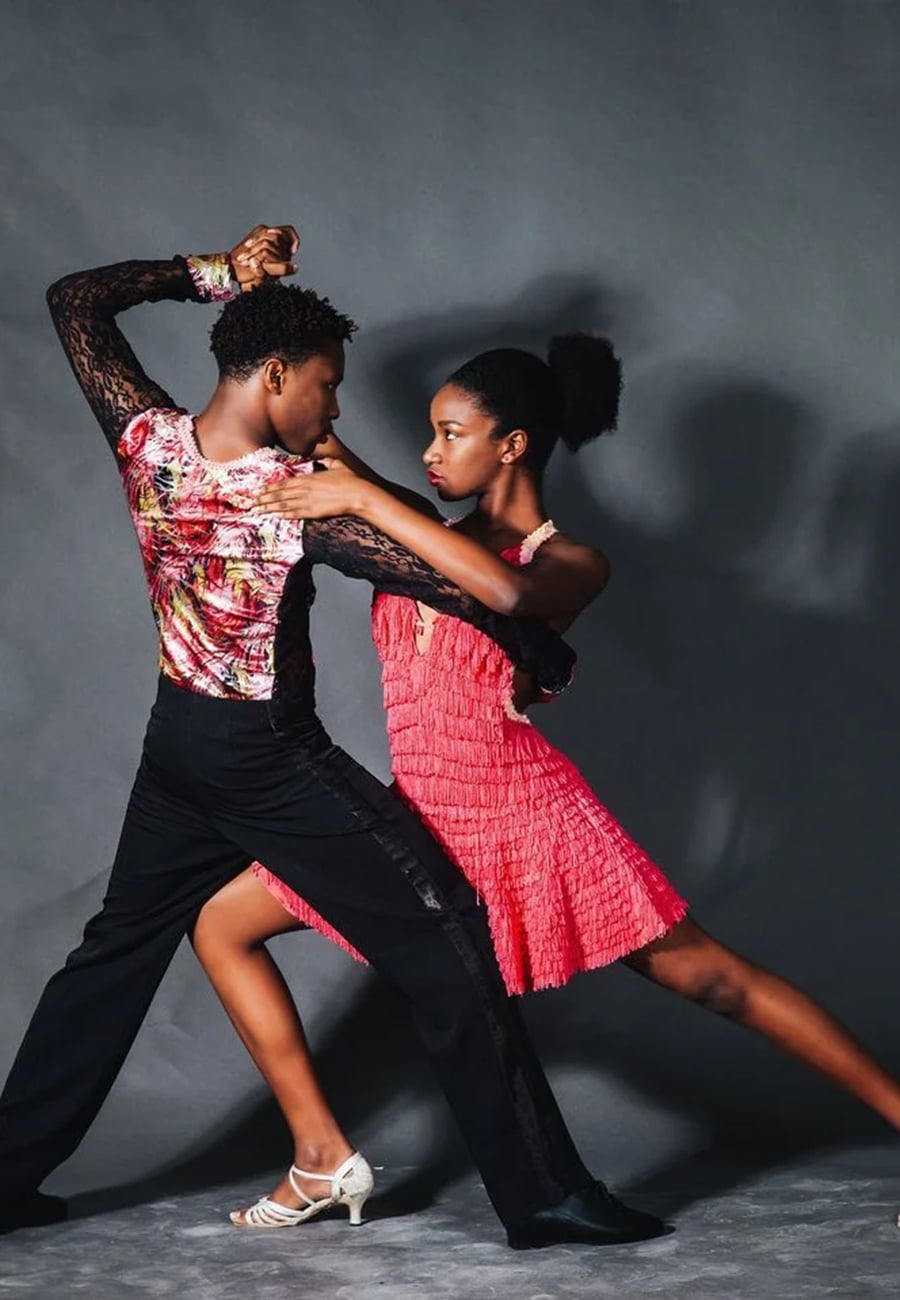
The Merengue is a walking or marching dance, which makes it approachable for dancers with zero prior experience. Its simplicity is exactly what makes it the ultimate party dance. The march-style beat keeps timing steady, so partners can focus on connecting with each other rather than counting steps. The Merengue emphasizes an eight-count rhythm with Cuban Motion and is danced largely in place, leaving room for animated arm styling and fun floor patterns.
Merengue draws on both African and Spanish influences and is the national dance of the Dominican Republic and its neighbor, Haiti. Both countries refer to it as their “singing dance,” a nod to its staccato rhythm and traditional instrumentation, and it’s often the very first dance a first-time La Plata student learns.
Sign Up For a Lesson Today
We look forward to having you in our dance studio.
THE QUICKSTEP
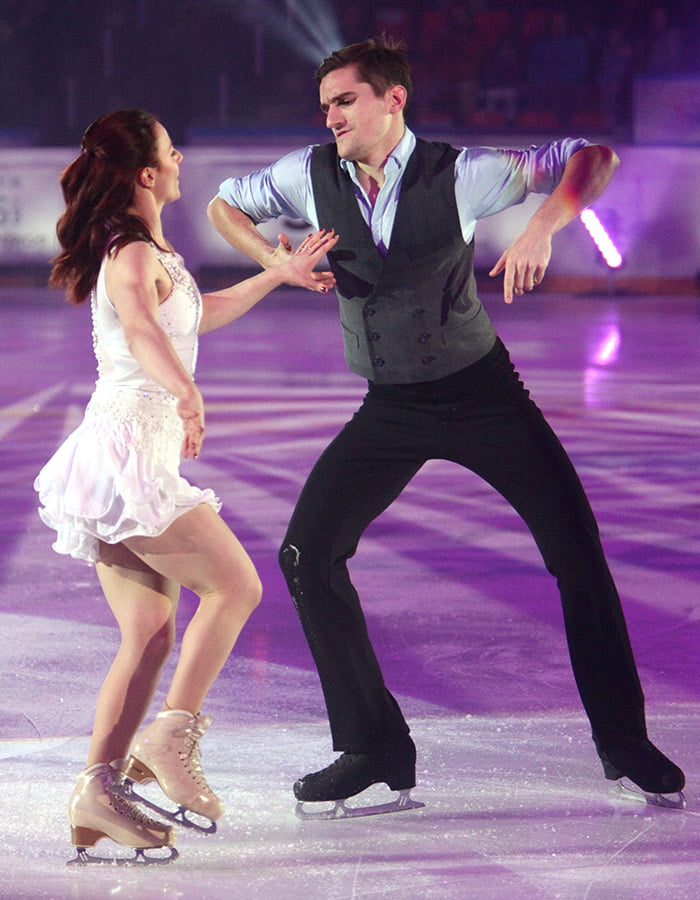
Quickstep is the light-hearted favorite among accomplished dancers, and it is the exception to the idea that ballroom dance is slow. From the first step onto the floor, Quickstep puts you directly into dance mode, with quick footwork set to an upbeat tempo. It is a fixture at dance competitions because it energizes a crowd and sets an exciting tone for any event.
Quickstep in its current form combines two earlier ballroom dances. It developed in England in the 1920s, when dancers blended the Charleston with the Foxtrot to create something faster and more playful. Beginner lessons start at a much slower pace so new dancers can master footwork before building speed, which matters given how far some of our La Plata students are traveling to get here.
THE RUMBA
The Rumba known today developed from a Cuban rhythm and dance called the Bolero-Son. It reached the United States in the early 1930s and has remained one of the most popular social dances ever since. Rumba is defined by smooth, subtle hip motion and a deliberate walking step. Its slower tempo gives dancers room to develop Cuban Motion, the signature hip action of Latin dance, and to layer in personal style and flair.
Rumba is one of the strongest starting points for building real Latin and ballroom technique. Almost every dancer who masters Rumba sees an immediate improvement in the Waltz, Cha Cha, and Salsa as well, which is why it plays such a central role in our social dance lessons in La Plata curriculum.
The Salsa
If you want something with real heat, Salsa delivers. It blends traditional Latin music and footwork with free-flowing turns and elaborate arm patterns between partners. Salsa traces back to Cuban Son and Rumba and gained popularity in New York City through both franchised and independent studios in the 1970s. Regional styles have since developed their own identities, including Colombian, Cuban, Los Angeles, New York, Palladium, Puerto Rican, Rueda, and On Clave.
Salsa remains a fixture of the nightclub scene because it works on a small, crowded floor without losing any of its excitement, which makes it a natural fit for a lively night out downtown.
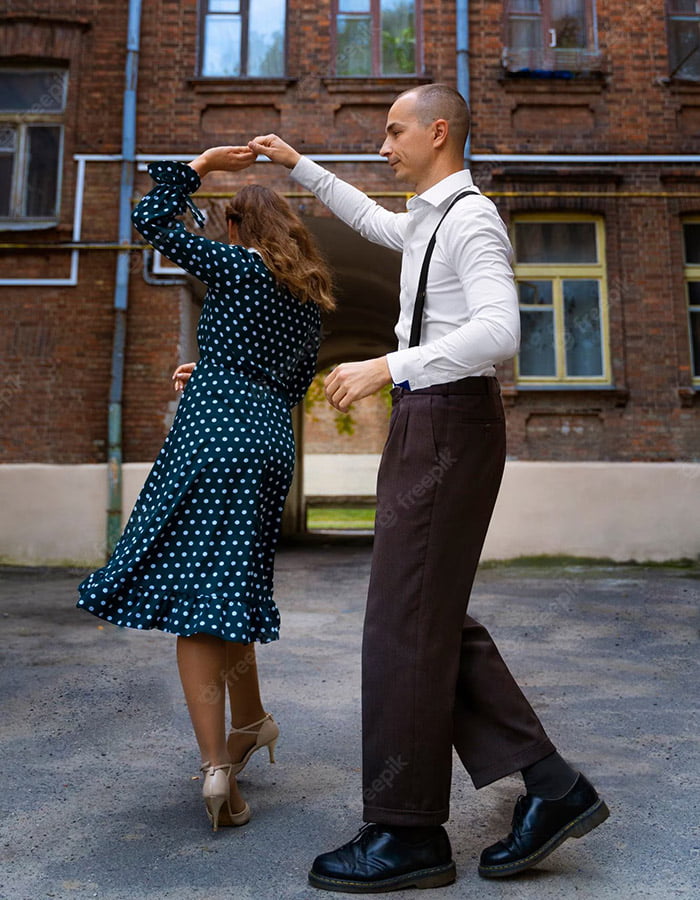
The Swing
Swing is the most distinctly American of all partner dances, carrying a cultural history most people already know in pieces. It goes by several names, including Jitterbug, Boogie, and Lindy, though most instructors on the East Coast simply call it Swing, or more precisely, East Coast Swing. It evolved out of the Lindy Hop and stands as one of the most influential American folk dances of all time. Its best-known variations, the Charleston, Black Bottom, and Shag, consolidated into the Lindy in the early 1940s and eventually became the East Coast Swing danced today.
Swing carries a carefree, buoyant energy that spreads to everyone watching, not just the dancers on the floor, which is exactly why it’s a natural fit for a summer crowd at the farmers market. It works across a wide range of tempos, and it remains one of the most recognizable social dances thanks to its flips, lifts, and spins.
The Tango
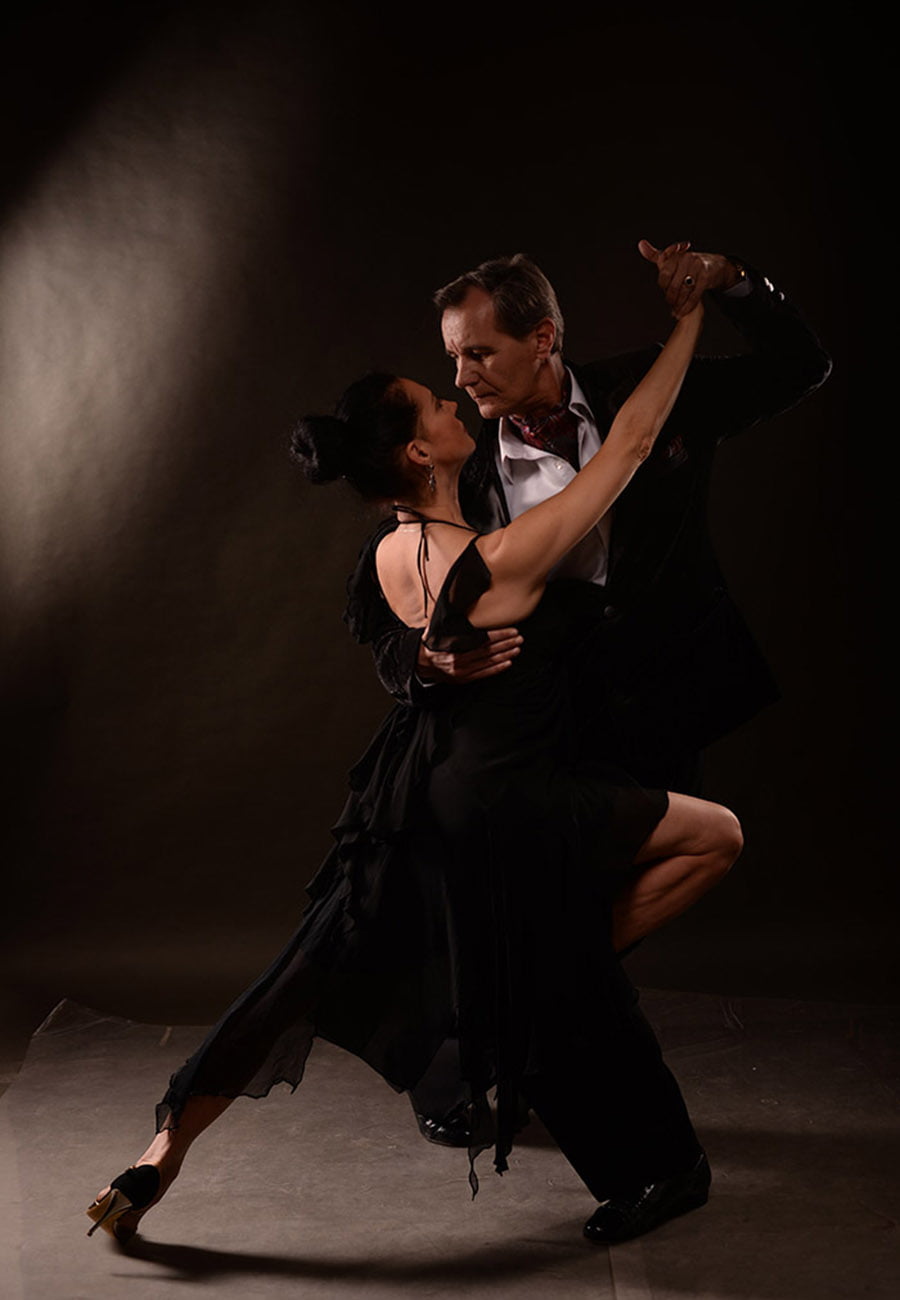
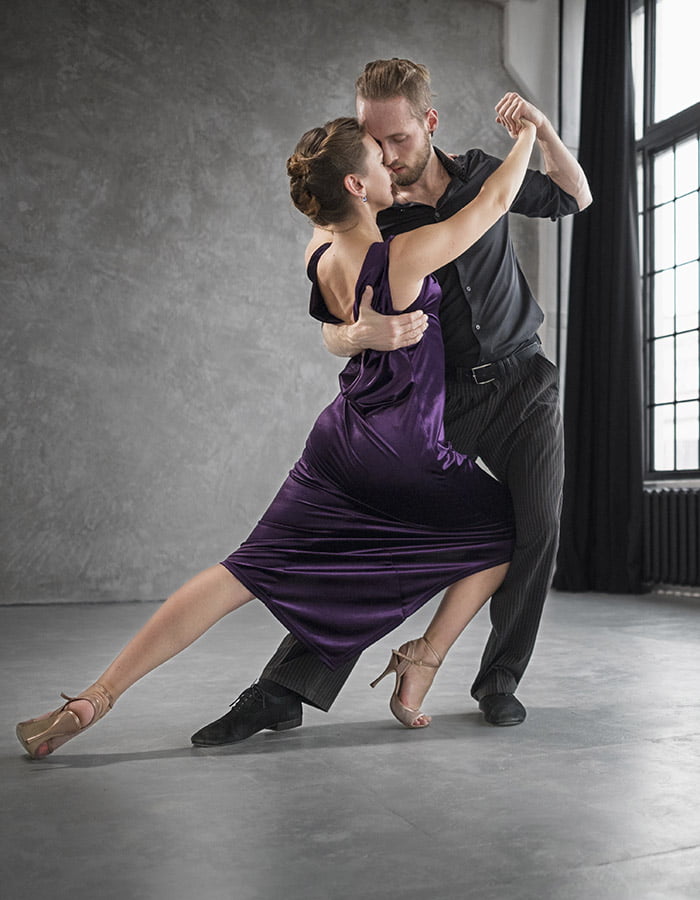
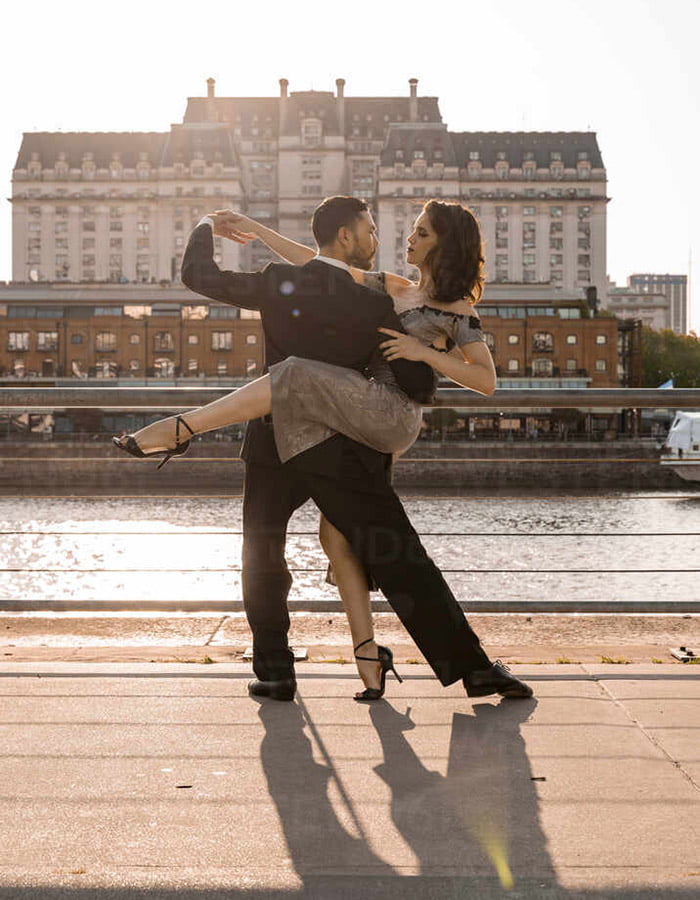
The Tango has no single confirmed origin. Some trace it to Argentina, others to Brazil, Spain, or Mexico, though most agree it descends from an early Spanish folk dance called the Milonga. It took its modern form in Argentina in the early 20th century and reached the United States between 1910 and 1914, becoming an instant hit for its dramatic, sophisticated patterns. It remains one of the most stylized and recognizable ballroom dances, built on measured crossing and flexing steps and poised, deliberate pauses.
No other dance captures the tension and romance between partners quite like the Tango. It is considered an exhibition dance because it draws every eye in the room, but learning it does not require a partner from day one. Sign up for Tango instruction with one of our instructors and bring a partner once you are ready.
The Viennese Waltz
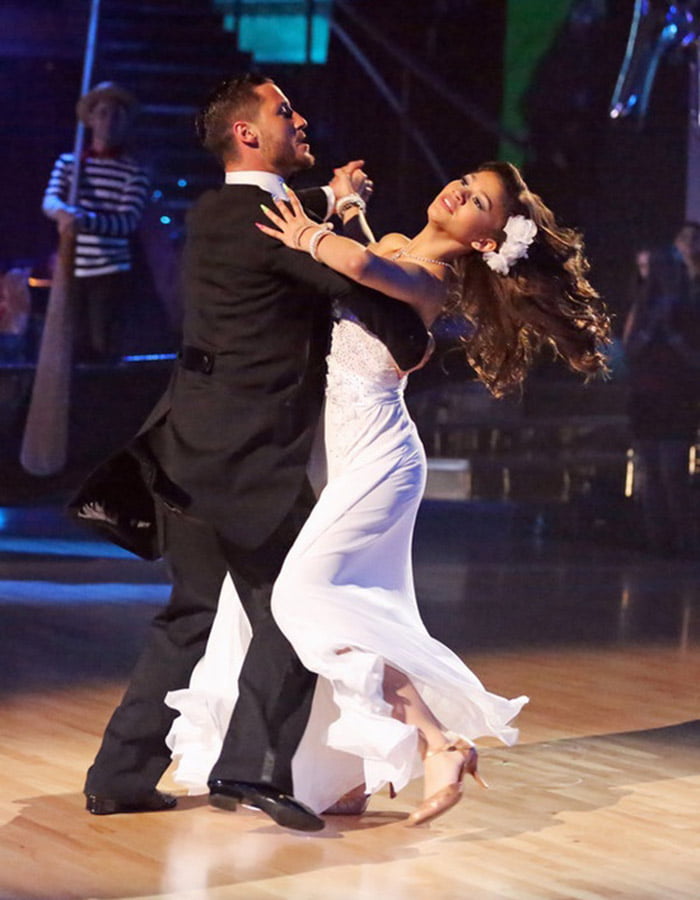
This classical dance from the ballrooms of Vienna remains one of the most exhilarating dances to watch and to learn. Its patterns stay pure to tradition, but the technique demands more from the dancer than the standard Waltz, particularly in capturing its grace at speed. Despite the word “classic” in its description, the Viennese Waltz is a relatively modern variation, closer to the original closed-couple form, and it is danced to some of the most recognizable orchestral music ever composed.
Watching a floor full of Viennese Waltzers feels almost like watching dancers fly. The dance moves in a continuous circular motion, which is why it shows up so often in classic films and formal balls rather than a casual La Plata gathering, and it’s usually a dance students add once they’ve built confidence through regular social dance lessons in La Plata.
The Bolero
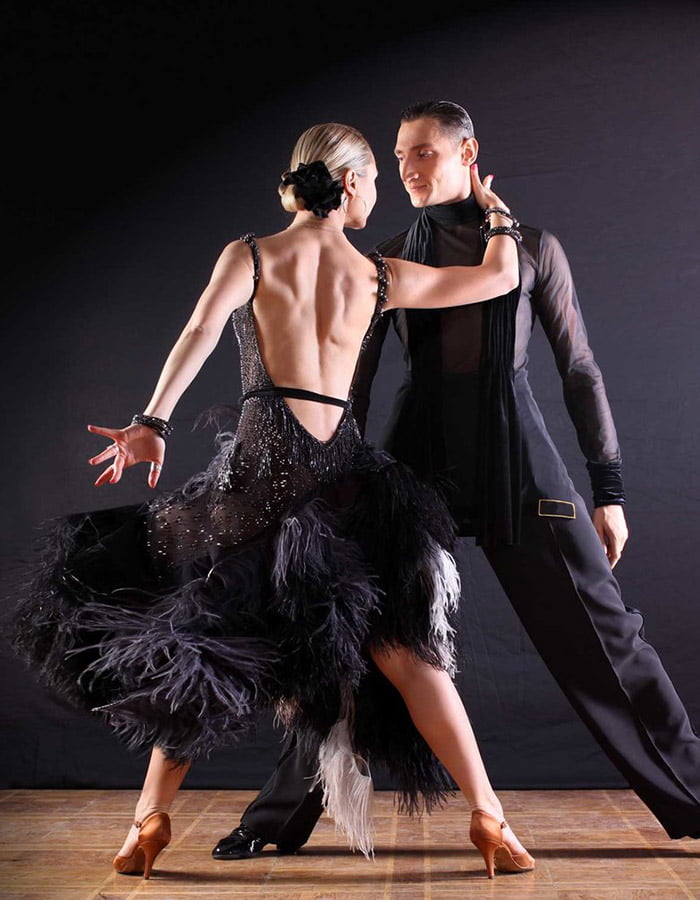
The Bolero reached American audiences in the mid-1930s and remains one of the most expressive Latin dances taught today. The lead’s movements echo a matador in a bullfight, while the follower alternates between representing the bull and the matador’s cape. It is dramatic, passionate, and physically demanding, largely because of its signature rise and fall, which originates from the body rather than the feet.
Because of that intensity, the Bolero is not danced socially as often as the Rumba or Cha Cha, but it remains a favorite for competitions and showcase events. Drawing on both the Rumba and the Waltz, it uses long, sweeping side steps and dramatic rise and fall to create both softness and drama. If you’re searching for a social dance studio in La Plata that also teaches deeper Latin technique, Bolero is where that journey continues, distance and all.