
SOCIAL DANCE
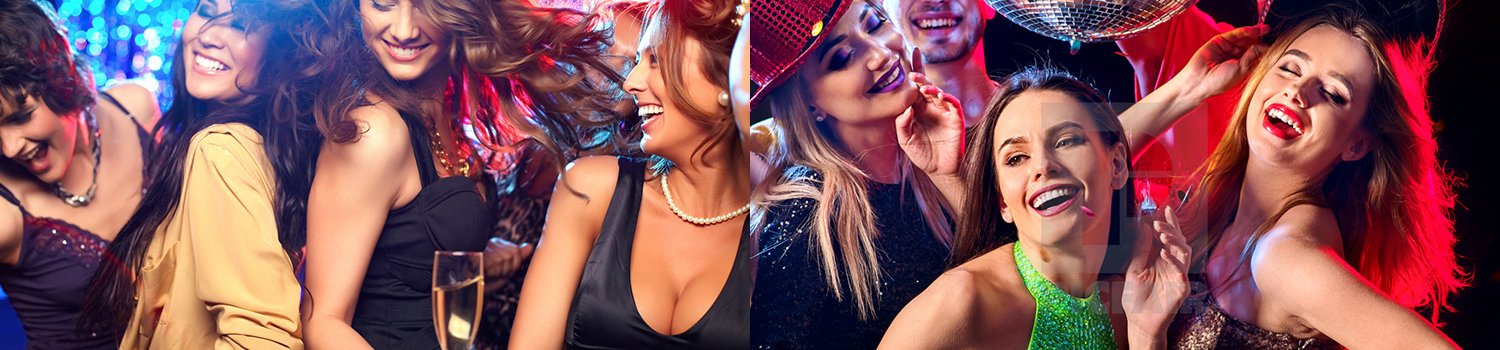
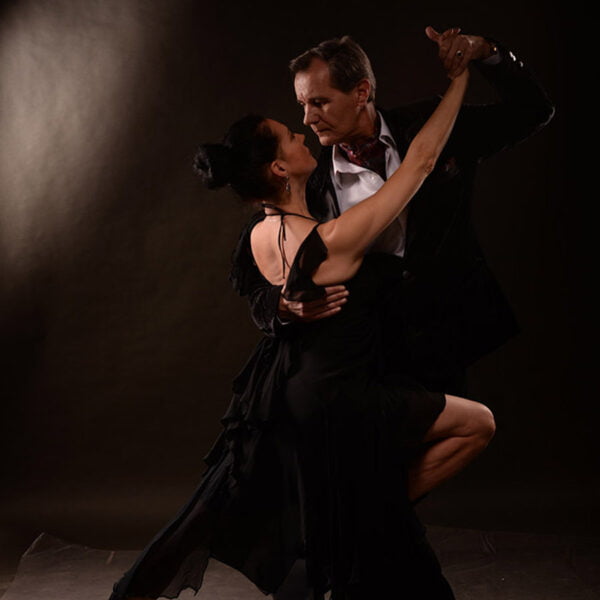
Columbia sits at the exact point where the James River meets the Rivanna, a spot once known as Point of Fork and, before that, as Rassawek, a major village of the Monacan people. It’s one of the smallest, oldest communities in this part of Virginia, incorporated back in 1788 and only formally dissolved as a town in 2016. Search “social dance lessons in Columbia” from a place with that much quiet history, and you’re likely looking for something equally unpretentious: a way to move comfortably with a partner without needing a big-city studio scene. Social dancing takes the exact dances used in exhibition ballroom, Foxtrot, Tango, Swing, Cha-Cha, and strips away the performance pressure, leaving something built for people who see each other again next week.
That’s the whole idea behind social dancing classes in Columbia: comfort with a partner over a picture-perfect frame. Ballroom Boutique Dance Studio has spent years teaching to that standard for dancers across Virginia, though it’s worth being upfront here: our studio sits in Herndon, roughly seventy miles north, well outside a practical weekly commute from Columbia itself. Students from this part of Fluvanna County who want our social dance lessons in Columbia to be a regular routine typically plan around occasional visits, workshops, or private lessons scheduled in blocks rather than weekly drop-ins, and we’re happy to talk through what makes sense for your situation.
Learning to talk while you dance is a skill, not a gift, and it comes together faster than most expect once you’re in the room. A handful of sessions into our social dance lessons in Columbia, students find themselves chatting about the confluence of the rivers just down the road without losing a single Waltz step.
Benefits of the Dance
Burn Fat & Lose Weight
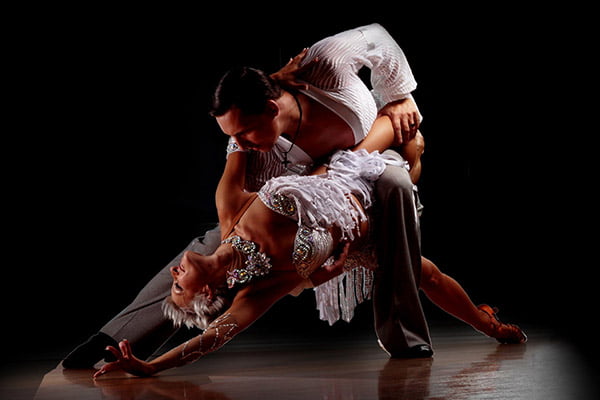
Dance is genuinely effective exercise that doesn’t feel like a chore. Low-impact enough to spare your joints, it still burns real calories over an hour and keeps your metabolism elevated afterward.
Increase Flexibility
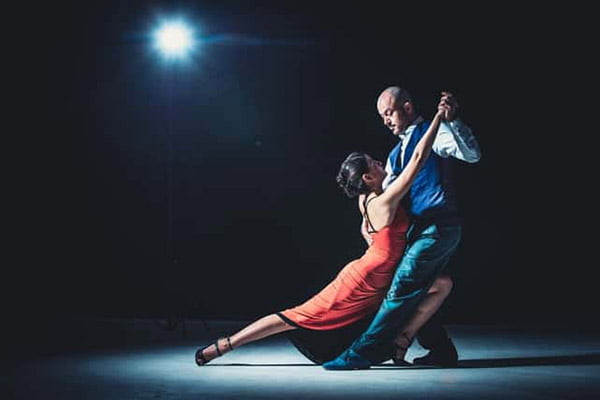
Range of motion builds gradually, class by class, as the body adjusts to movement it hasn’t practiced before, and that flexibility eventually shows up as steadier balance.
Increase Strength & Endurance
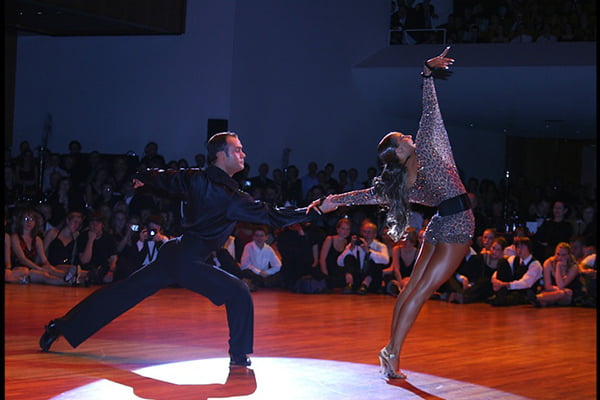
Every pattern quietly doubles as a strength exercise, since your legs and core resist your own body weight through the movement. Students a few weeks in often feel sturdier on their feet generally.
Great For All Ages
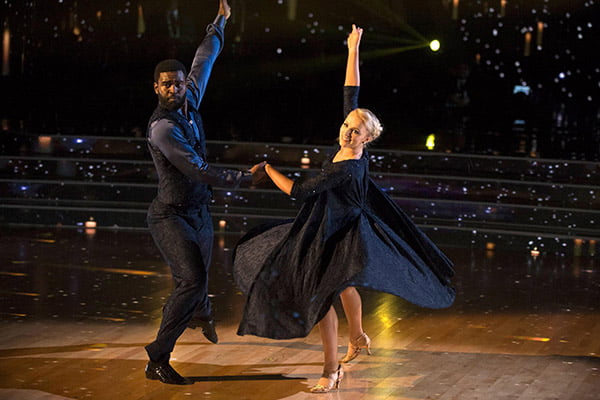
We’ve taught local kids their first Merengue and longtime Fluvanna County residents trying dance for the very first time well into retirement. Consistency, far more than age, drives improvement.
Physical Health
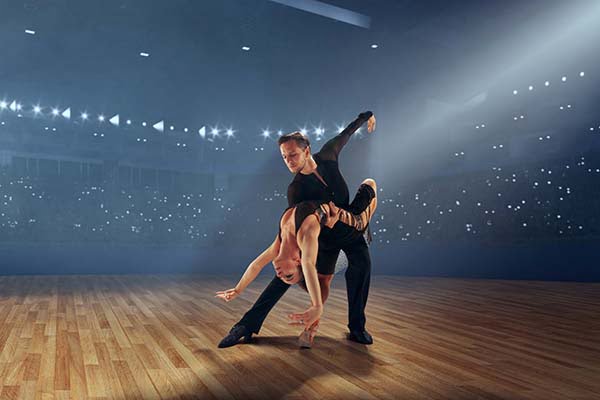
Lower blood pressure, better cholesterol, stronger bones, reduced Type II diabetes risk, the physical case is well documented. It rarely feels clinical while it’s happening, which is why people stay with it.
Mental Health
An hour with your phone untouched and your focus entirely on movement offers real relief from a busy week. That reset is part of why beginner social dance lessons in Columbia draw so much interest from first-time students exploring something new in a quiet area.
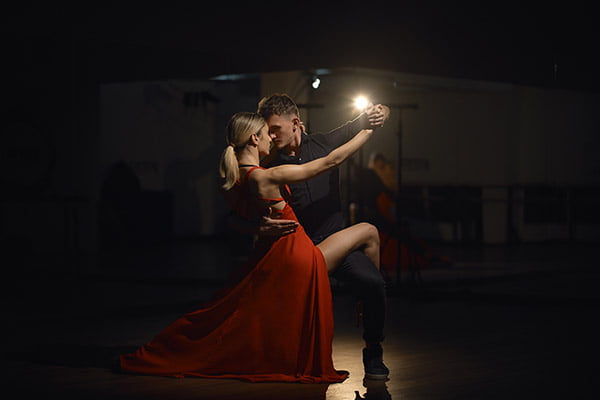
Confidence
Something shifts once you’ve led or followed a turn in front of a room of strangers. Students in our social dance lessons in Columbia program describe that same shift showing up later in everyday conversations.
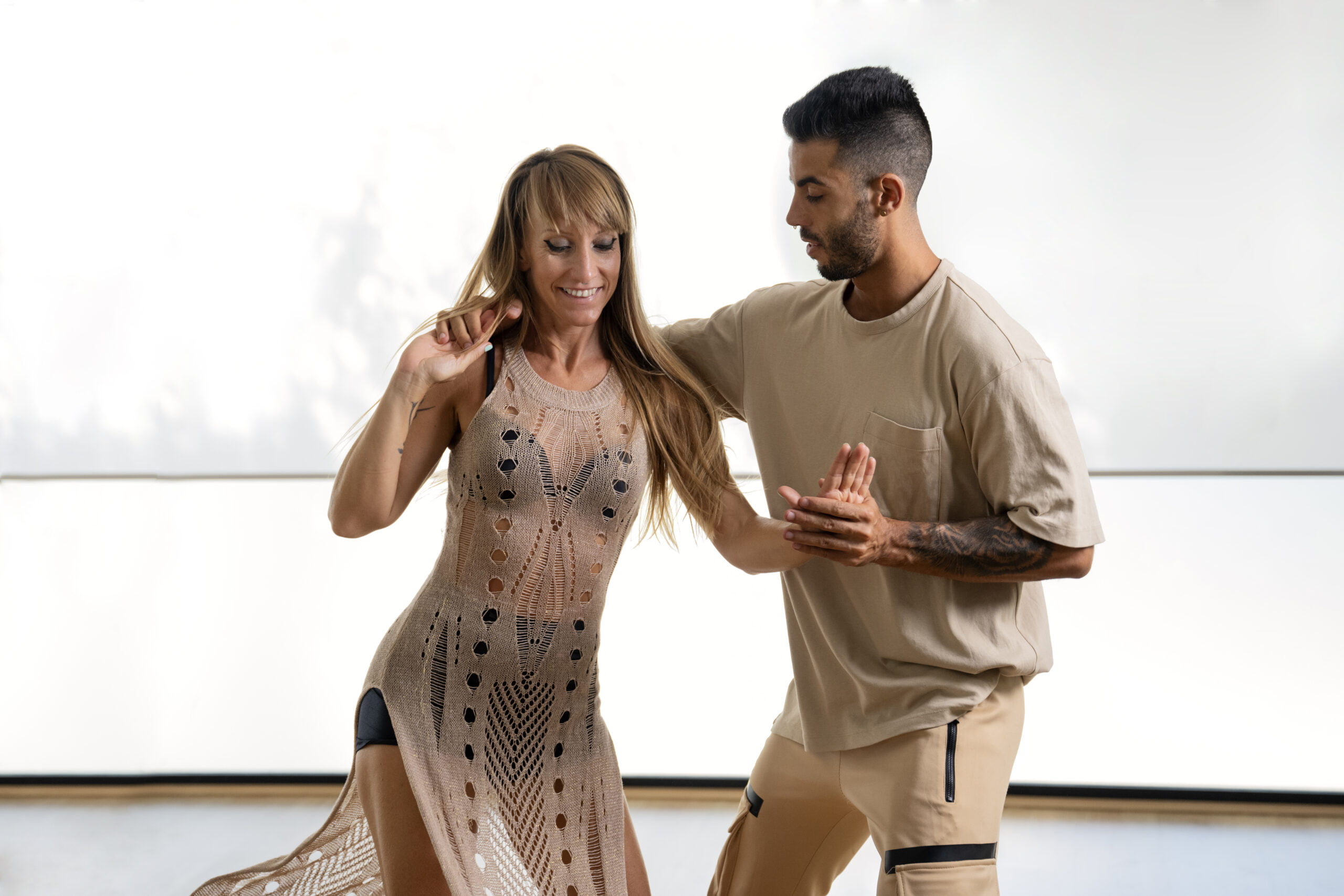
Self-Expression & Creativity
Basic steps are a starting framework, nothing more. Once they stop requiring conscious thought, dancers begin adding their own touches, and that’s when a class starts feeling like self-expression.
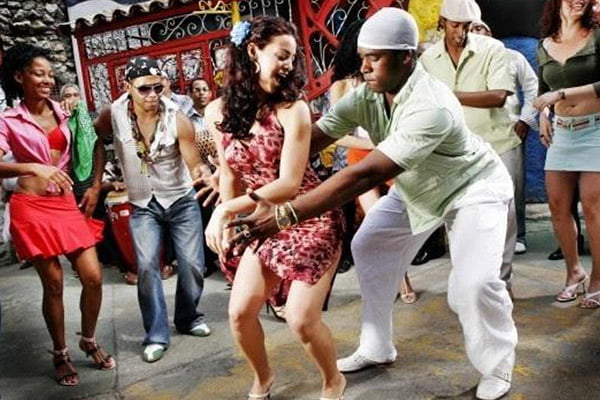
Social fun & Friendship
In a small riverside community like this one, dance introduces students to people they might never cross paths with otherwise, whether they’re driving in from nearby Fork Union or Palmyra.
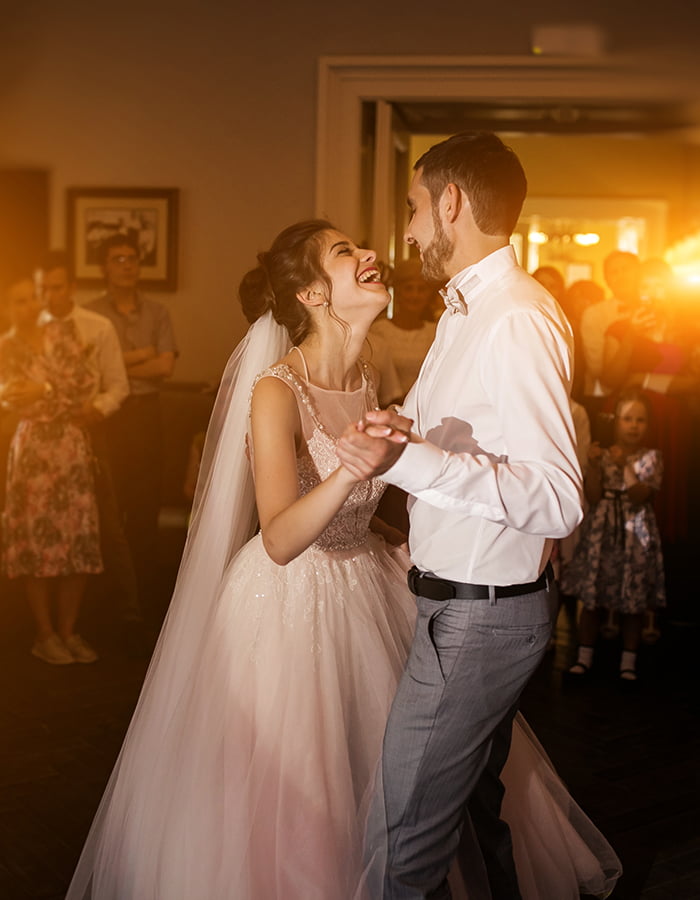
Wedding Dance
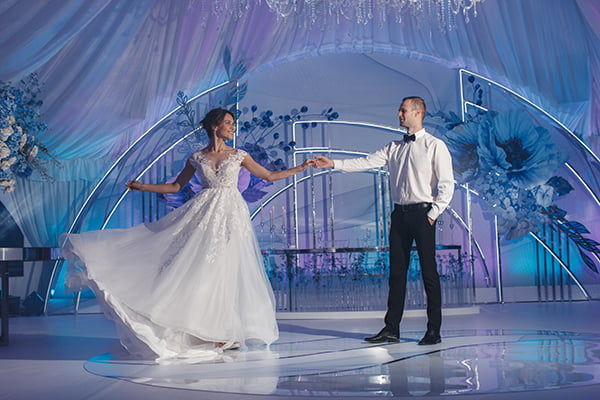
A first dance doesn’t need elaborate choreography to feel unforgettable, it needs to feel like the two of you. Our wedding dance programs work toward exactly that, whether the plan is a traditional Waltz or something with more energy. Couples from this part of Fluvanna County often celebrate at riverside venues near the James and Rivanna confluence or drive toward Charlottesville for a larger space, and we shape the routine around whichever setting is waiting for you.
Nerves show up for nearly everyone before a first dance, dance background or none. Working through that with an instructor beforehand matters as much as the steps themselves. What we’re aiming for isn’t perfection, it’s a dance that genuinely feels like you.
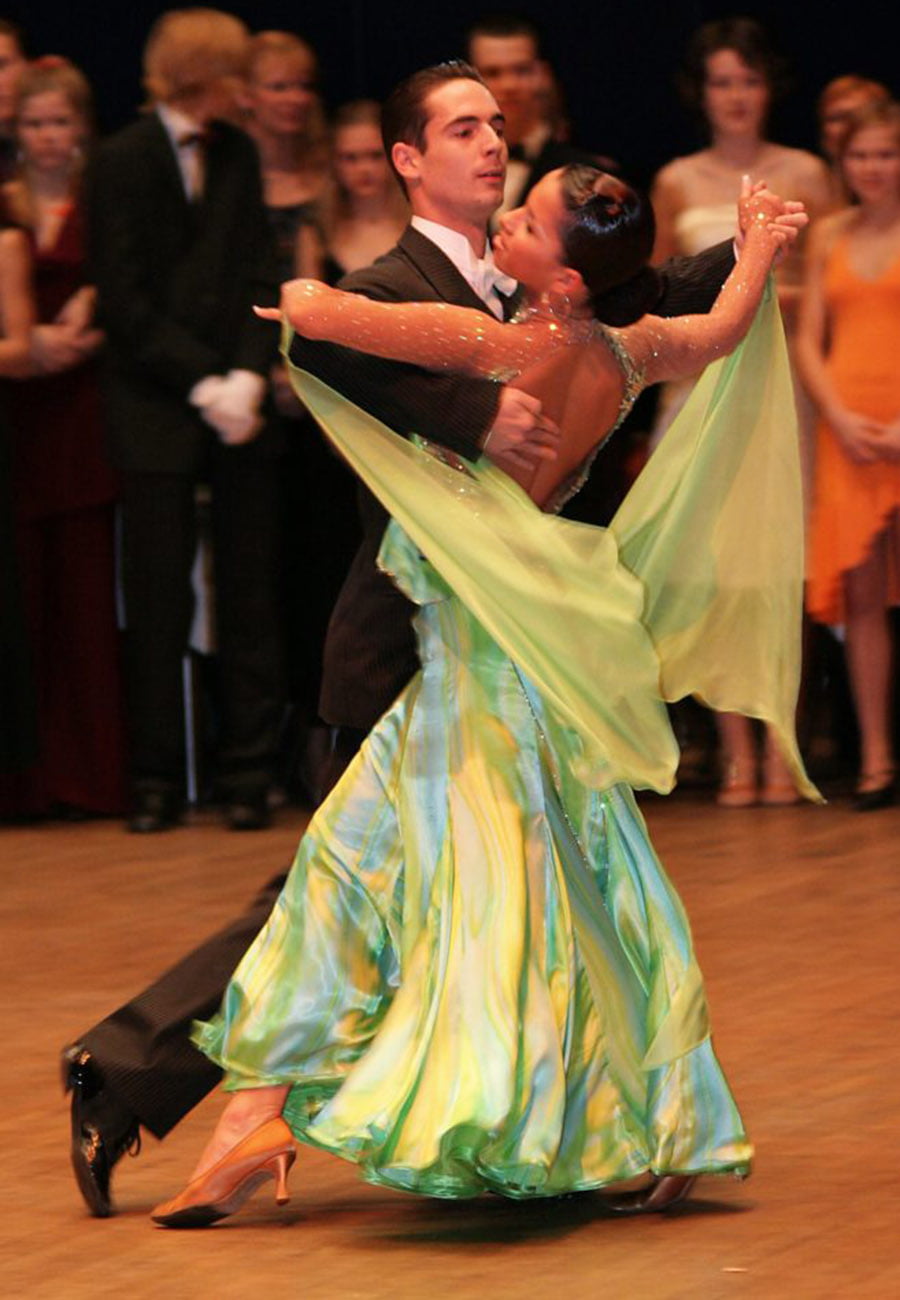
The Waltz
There’s a stillness to the point where the James and Rivanna rivers meet, an unhurried quality that predates nearly everything modern nearby, and that same steadiness is exactly what the Waltz is built on. Its rhythm, step, slide, step, in 3/4 time, comes from the Ländler, a German folk dance dating back to the 1700s, and its close embrace was mildly scandalous in its day before becoming the standard for anything formal.
Technique carries more weight here than sentiment. Sway, rise and fall, frame control, these fundamentals resurface in nearly every other dance taught on this page, which is why so many beginner social dance lessons in Columbia start with the Waltz.
THE CHA CHA
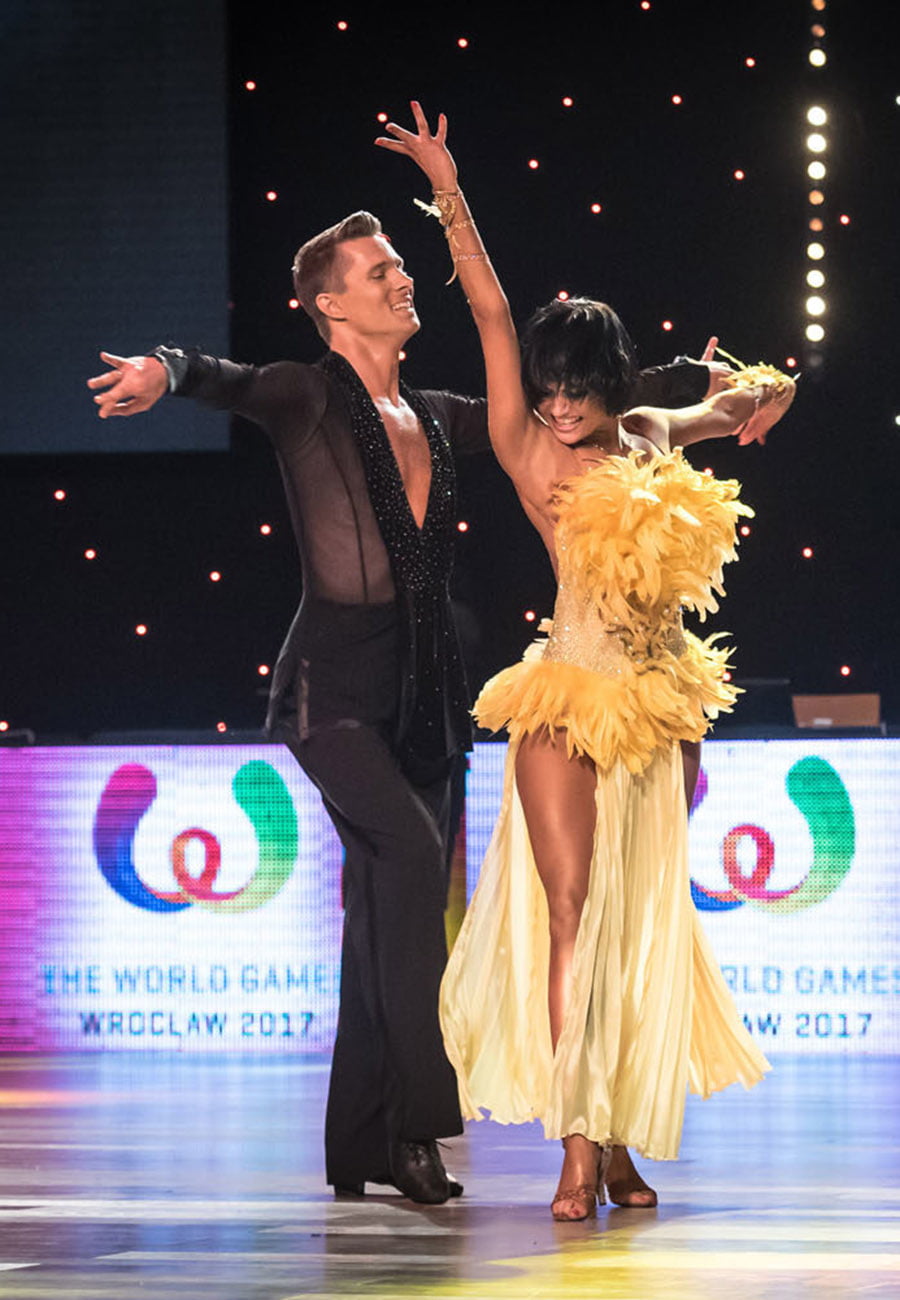
Ask where the Cha Cha comes from and most people guess South or Central America. They’re wrong, and it’s a satisfying correction to make in class. The Cha Cha is an American invention, born when Mambo bands slowed their tempo and dancers, left with an extra beat, wedged a triple step into the gap between the Mambo’s forward and back rocking motion.
It’s the standard gateway into competitive Rhythm dancing, and students who work through it here typically carry that foundation into half a dozen other Latin styles.
The Foxtrot
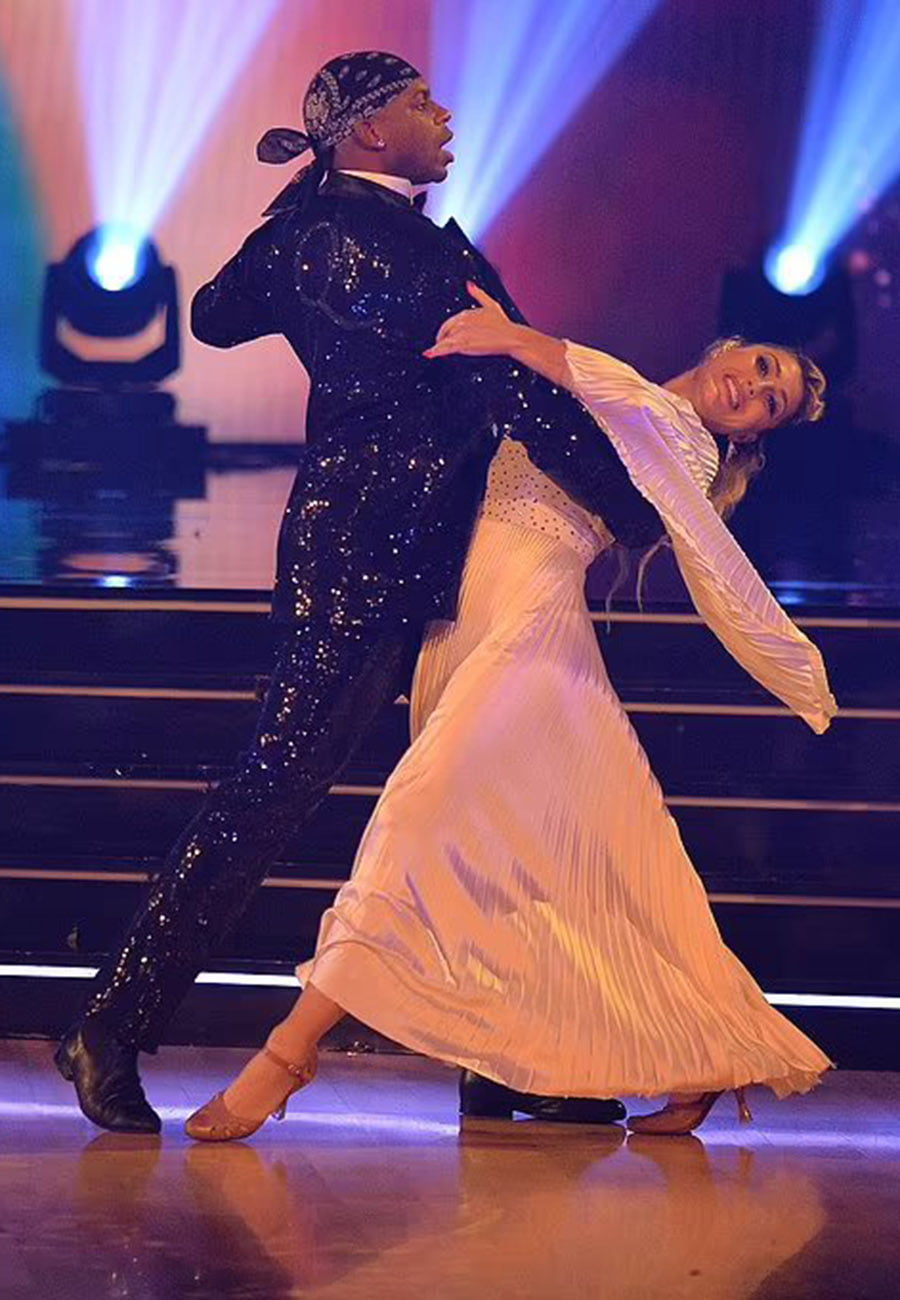
The Foxtrot isn’t trying to steal anyone’s attention, and that restraint is exactly its strength. Long, continuous strides carry dancers across the floor in 4/4 time, distinct from the Waltz’s 3/4 despite the visual family resemblance. Its “Magic Step,” two forward, one to the side, traces the same shape as a knight’s move on a chessboard.
It works just as well at a casual riverside gathering as it does for something dressier, and underneath that flexibility is the actual skill our social dance lessons in Columbia are built around: staying relaxed enough to keep talking while you move.
The Hustle
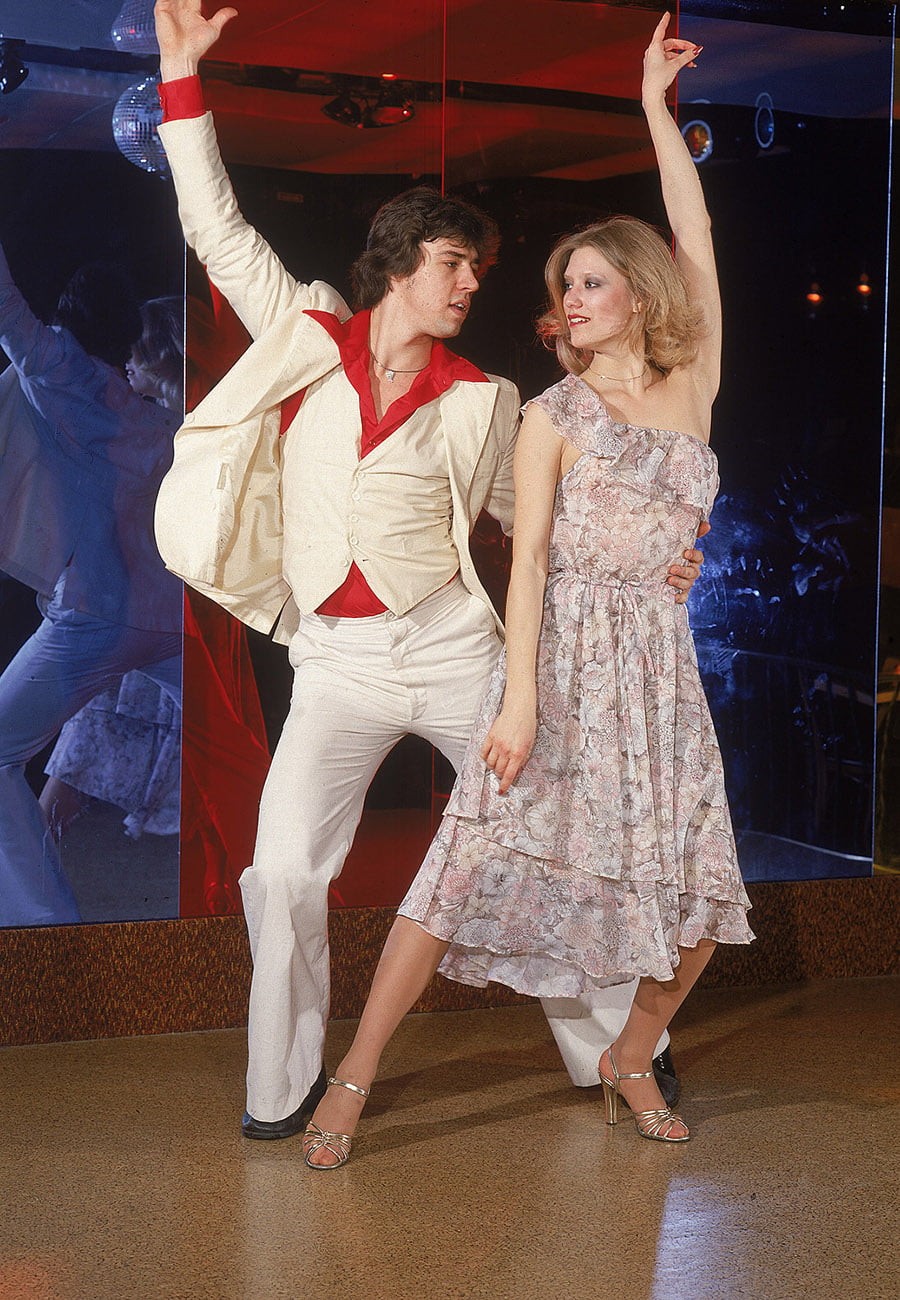
Disco gets the credit for the Hustle, though the label undersells everything it borrowed from elsewhere: Mambo footwork, Salsa turns, Swing’s energy, all layered over a bassline built for spins and wraps. Its modern partnered version is often called the New York Hustle after the dancers who shaped it there, though its actual original name was the Latin Hustle.
It’s a common request among students planning a night out closer to Charlottesville, the kind of energetic, close-quarters setting the Hustle was built for.
The Merengue
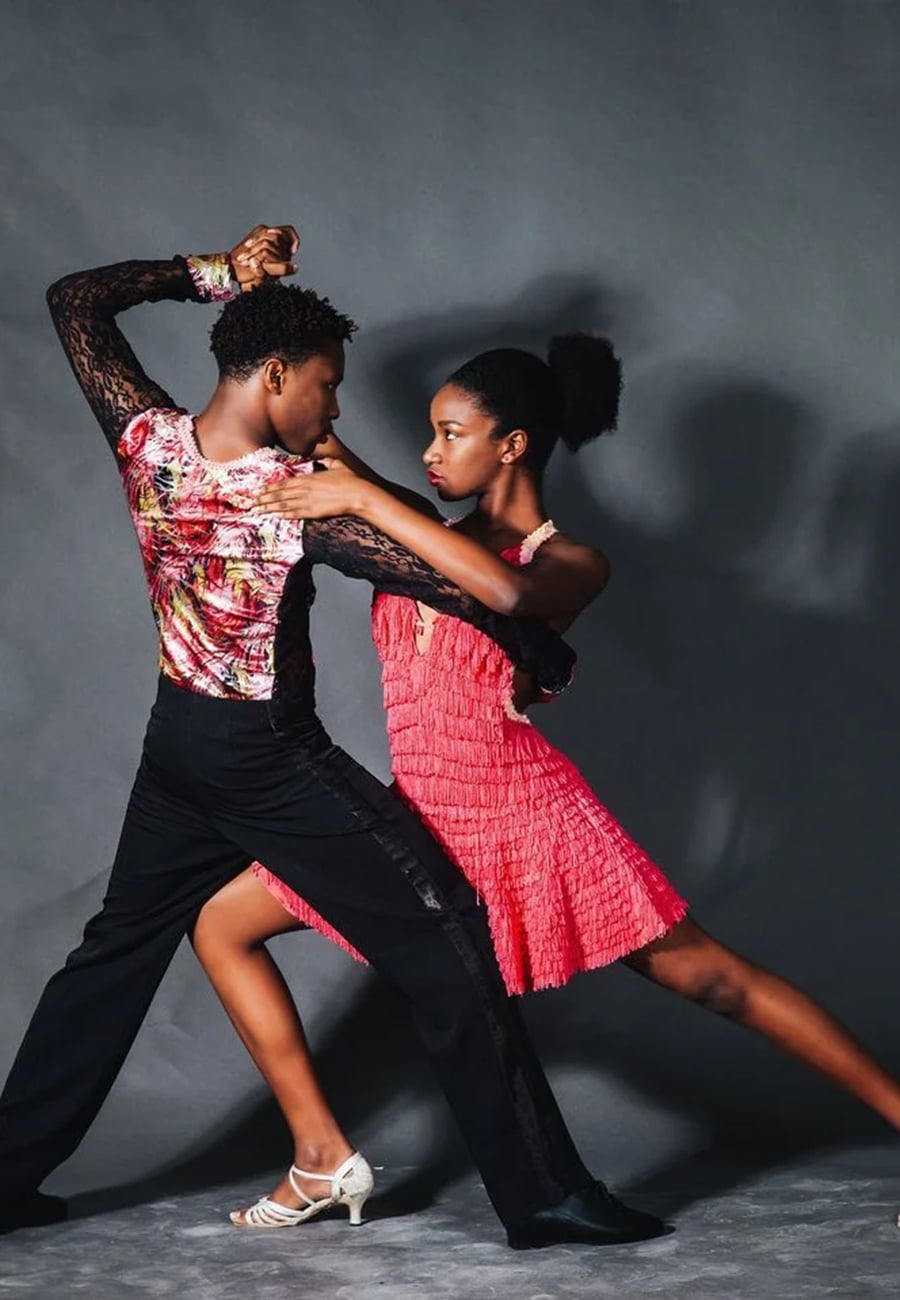
If a student has never danced a step in their life, this is where we start them. The Merengue is a walking or marching dance built on an eight-count rhythm with Cuban Motion, danced mostly in place, which leaves very little room for anything to go wrong on day one.
It carries African and Spanish influence and holds the title of national dance in the Dominican Republic and Haiti, where it’s nicknamed the “singing dance.” A good number of first-time Columbia students end up learning this one before anything else.
Sign Up For a Lesson Today
We look forward to having you in our dance studio.
THE QUICKSTEP
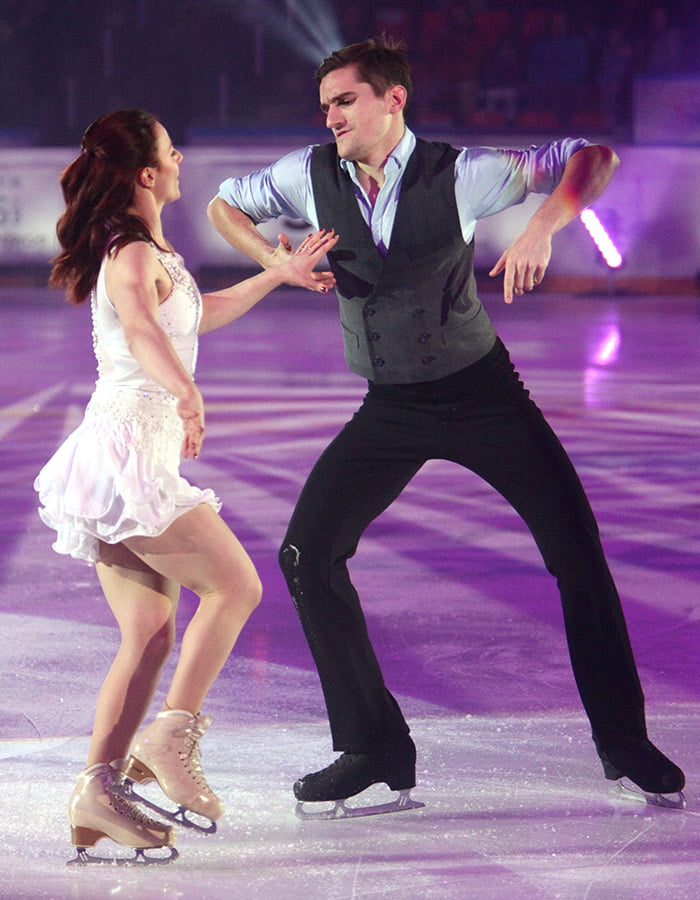
Most ballroom dance rewards a slower, patient pace. Quickstep is the exception. It’s fast from the very first step, built in 1920s England when dancers combined the Charleston and the Foxtrot into something quicker and more playful than either style alone.
That speed is exactly why it energizes a competition crowd, though beginners start well below full tempo, since clean footwork matters more early on than raw speed does.
THE RUMBA
Trace the Rumba back far enough and you land on a Cuban rhythm called the Bolero-Son, which reached the United States in the early 1930s and has held onto its popularity since. Smooth hip motion, a deliberate walking step, a slower tempo built to develop Cuban Motion, the hip technique underneath nearly every Latin dance we teach.
Master it, and your Waltz, Cha Cha, and Salsa all tend to improve almost automatically, which is why it holds a central spot in our social dance lessons in Columbia curriculum.
The Salsa
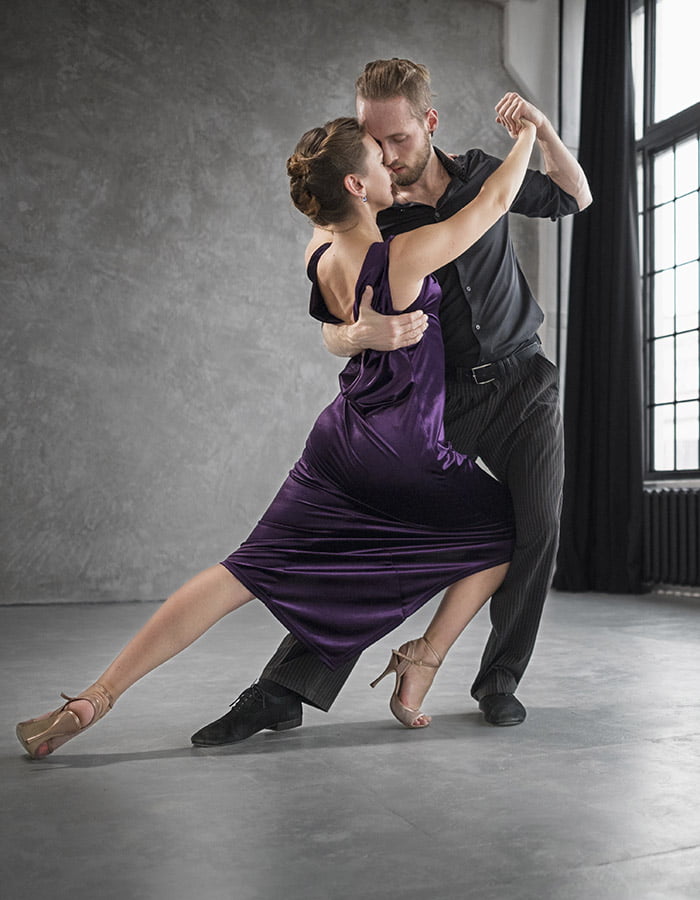
Say “Latin dance” and Salsa is probably the first image that comes to mind. Free-flowing turns and elaborate arm patterns sit on top of rhythm descended from Cuban Son and Rumba, and the style exploded through 1970s New York City studios before splitting into regional variations, Colombian, Cuban, Los Angeles, New York, Palladium, Puerto Rican, Rueda, On Clave.
It thrives on a small, crowded floor, which makes it a natural fit for a lively night wherever Columbia and Fork Union neighbors gather.
The Swing
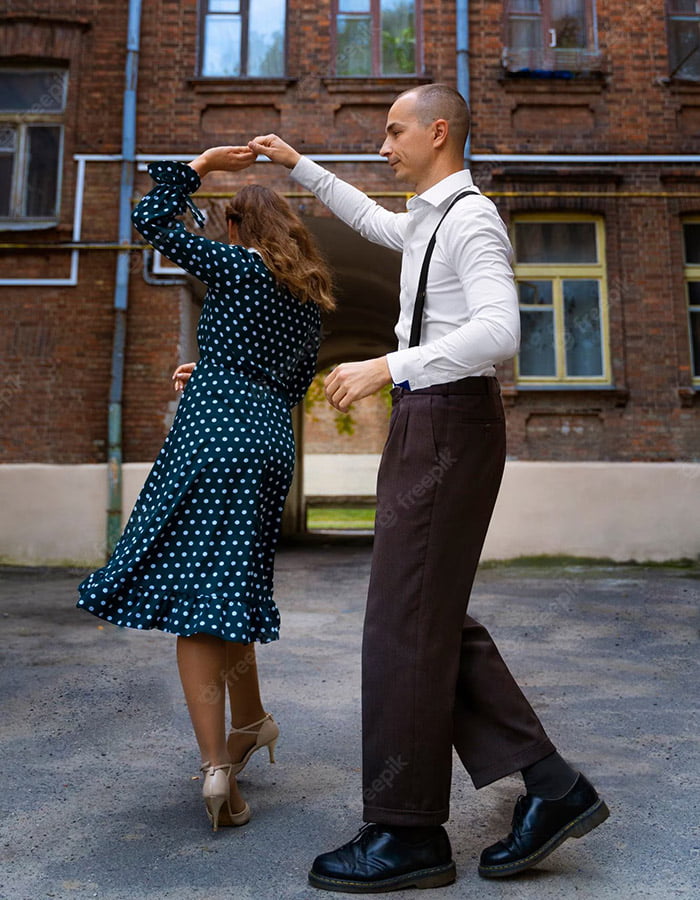
Jitterbug, Boogie, Lindy, Swing has worn plenty of names, though East Coast studios typically just settle on Swing, or East Coast Swing when precision matters. It traces back to the Lindy Hop, with the Charleston, Black Bottom, and Shag folding into it by the early 1940s.
Its energy hasn’t dulled a bit. Swing still gets an entire room moving at once, a natural fit for a riverside gathering in warmer months. Flips, lifts, spins, it’s built for spectacle as much as for dancing.
The Tango
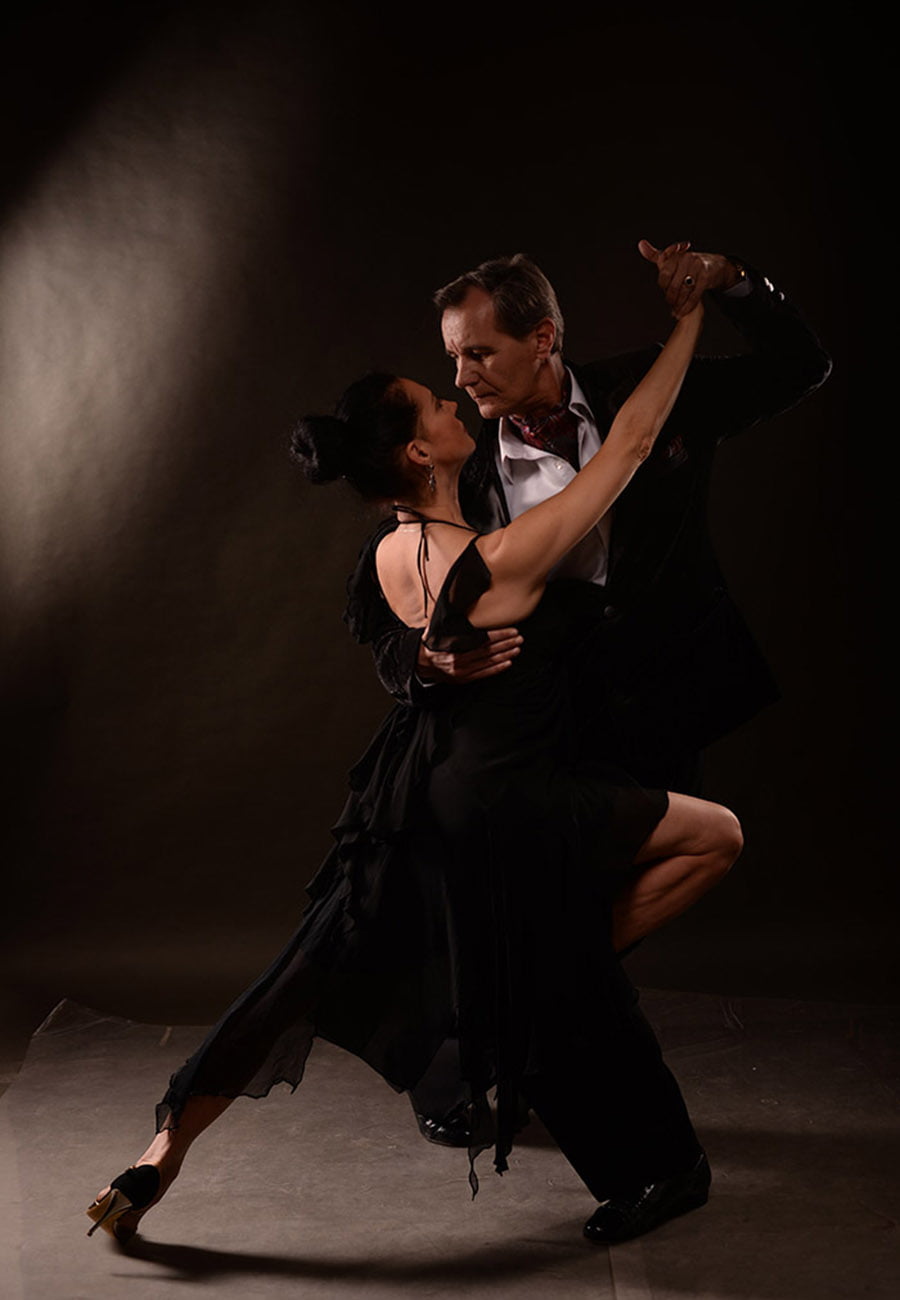
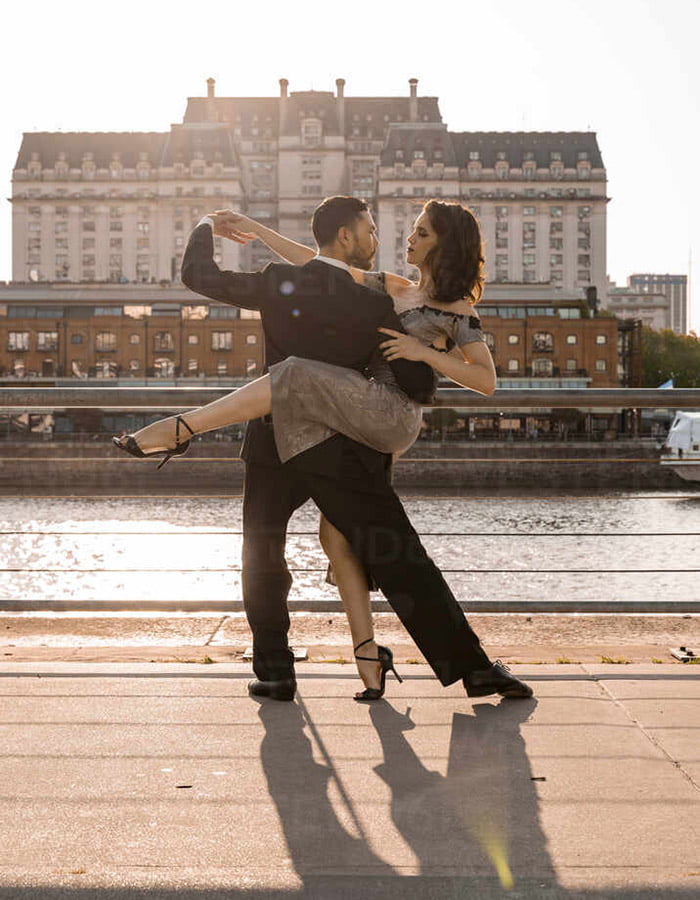
Where the Tango actually began is still argued over. Argentina makes the strongest claim, though Brazil, Spain, and Mexico all get mentioned too, and most historians trace the lineage back to a Spanish folk dance called the Milonga. It hit American shores sometime between 1910 and 1914, an instant sensation for its dramatic style.
It’s an exhibition dance because it draws every eye the moment it starts. Sign up first, and bring a partner, maybe a neighbor from Palmyra, once you’re ready.
The Viennese Waltz
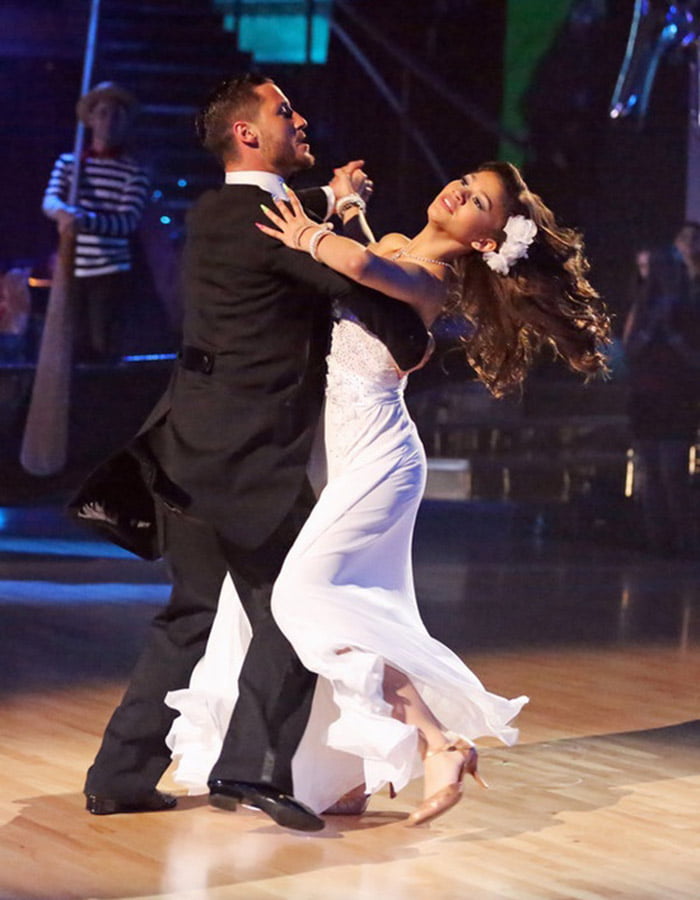
Take the standard Waltz, speed it up, and demand more precision from the dancer, and you land close to the Viennese Waltz, typically set to some of the most recognizable orchestral music ever composed. A full floor of Viennese Waltzers moving together looks almost like flight.
It shows up more in formal balls and classic film than at a casual Columbia gathering, which is why most students add it once they’ve built confidence through regular social dance lessons in Columbia.
The Bolero
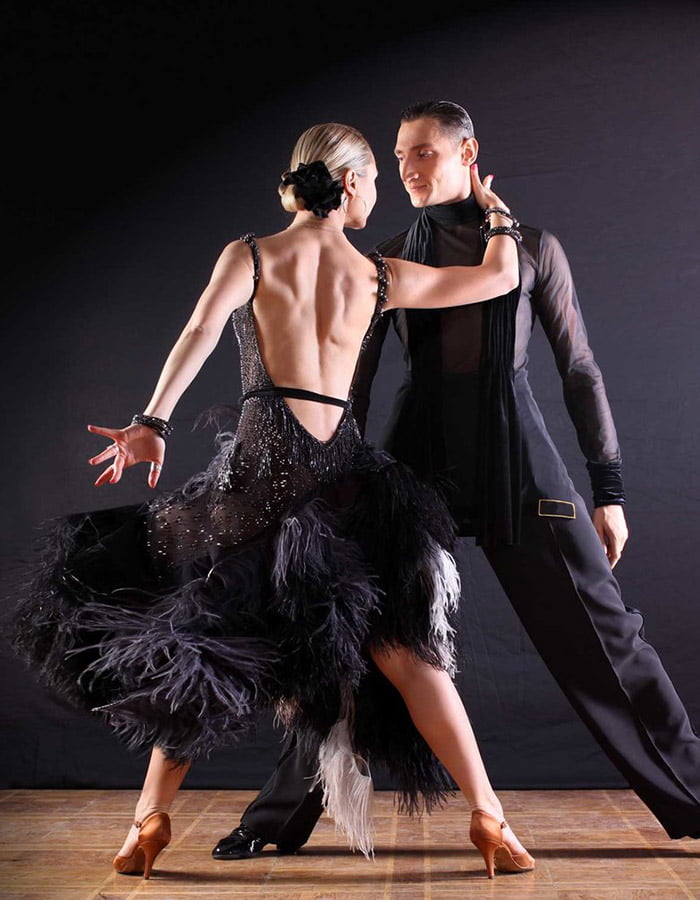
The Bolero reached American audiences in the mid-1930s and remains one of the most physically demanding Latin dances we teach. Its choreography borrows from bullfighting: the lead plays the matador, the follower alternates between the bull and the cape, all set against a rise and fall generated by the body.
Students searching for a social dance studio in Columbia that pushes past the basics into real Latin technique tend to land here eventually, even if that means planning ahead given the distance.