
SOCIAL DANCE
Ashburn doesn’t really have an off switch. Data centers hum around the clock a few miles from where families are grilling out in Ashburn Farm, and the parking lot at One Loudoun fills up as fast on a Tuesday as it does on a Saturday. Search “social dance lessons in Ashburn” and you’re probably trying to solve a fairly specific problem: you’ve got somewhere to be, a work event, a wedding, a date night, and you’d rather not spend it standing near the snack table. Social dancing exists for exactly that. It takes the technical vocabulary of exhibition dance, Foxtrot, Tango, Swing, Cha-Cha, and repurposes it for rooms where nobody’s holding a scorecard.
What separates social dancing classes in Ashburn from a formal ballroom program is priority. A textbook frame matters less than being able to keep a conversation going while your feet do something correct. Ballroom Boutique Dance Studio built its curriculum around that exact trade-off, and Loudoun County has responded; a meaningful share of our roster now rides the Silver Line in from the Ashburn Metro stop, with more driving over from Belmont Country Club on weekends. If home is somewhere around Loudoun Station or further out toward Ashburn Farm, the version of social dance lessons in Ashburn we teach is built for the party you’re going to, not a recital nobody asked for.
Give it time and the conversation-while-dancing part stops feeling like a trick. Somewhere around week three or four of our social dance lessons in Ashburn, you’ll notice you’re mid-sentence about a Dulles Greenway traffic jam and still landing every Waltz step on time.
Benefits of the Dance
Burn Fat & Lose Weight
An hour of dancing burns more than most people expect, and it does it without hammering your knees the way running does. Metabolism stays elevated afterward too, which is a big part of why it works as a weight-loss strategy people actually stick with.
Increase Flexibility
Range of motion isn’t something you bring to your first class; it’s something the class builds in you over weeks. Hips, shoulders, ankles, all of it loosens gradually, and that loosening is what eventually lets a turn look effortless instead of stiff.
Increase Strength & Endurance
Nobody thinks of dance as strength training, but your legs and core spend the entire class bracing against your own body weight through pattern after pattern. Ask any student a month in whether they feel more solid on their feet, and the answer is almost always yes.
Great For All Ages
The youngest student we’ve had in an Ashburn class this year was seven. The oldest was seventy-four, a Belmont Country Club retiree trying dance for the first time in her life. Both improved at roughly the same rate, because consistency matters more than age ever does.
Physical Health
Lower blood pressure, better cholesterol numbers, stronger bones, a reduced risk of Type II diabetes, the medical case for dance is genuinely strong. It just doesn’t announce itself as medicine, which is exactly why people keep showing up.
Mental Health
In a town organized around a tech corridor’s worth of deadlines, an hour where your phone stays zipped in a bag is worth more than it sounds. That decompression is a real driver behind why beginner social dance lessons in Ashburn tend to fill their evening slots first, right after the workday ends.
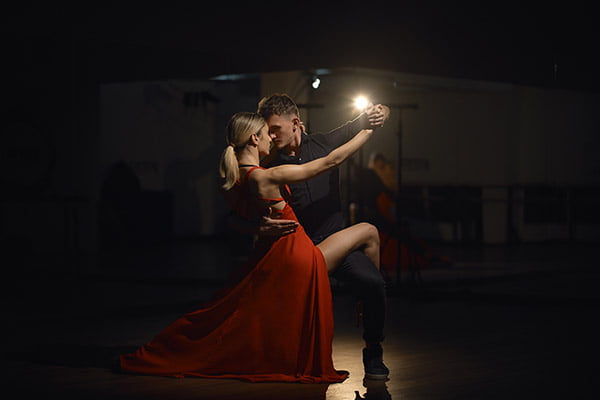
Confidence
Something shifts once you can lead a turn or follow one in front of a room of strangers. Students in our social dance lessons in Ashburn program describe a version of that same shift showing up later in meetings, in negotiations, in ordinary conversations that used to feel harder.
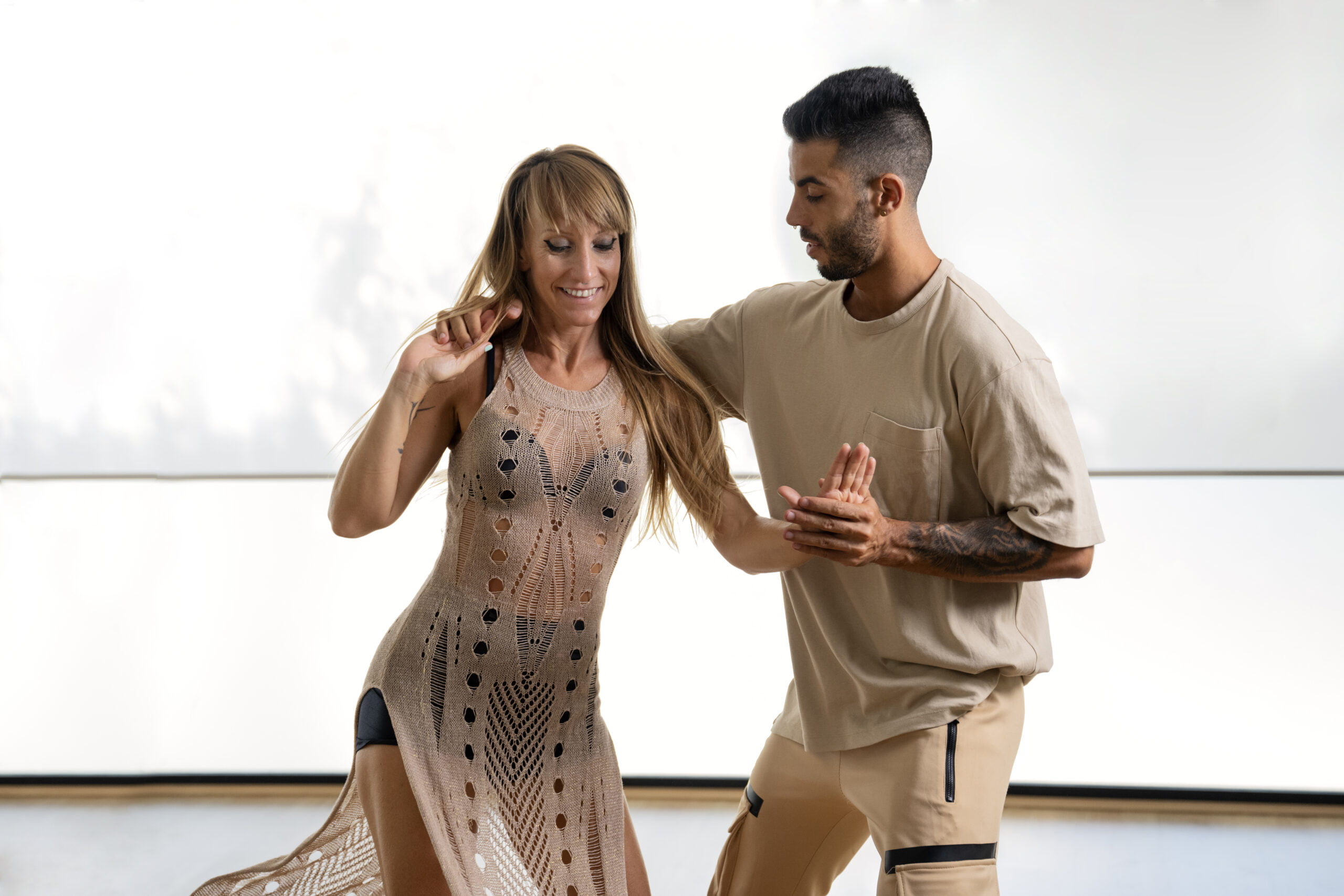
Self-Expression & Creativity
Basic steps are a script. Once you’re not thinking about them anymore, you start improvising inside them, adding a flourish here, a pause there, until the dance starts to look like you rather than like a diagram.
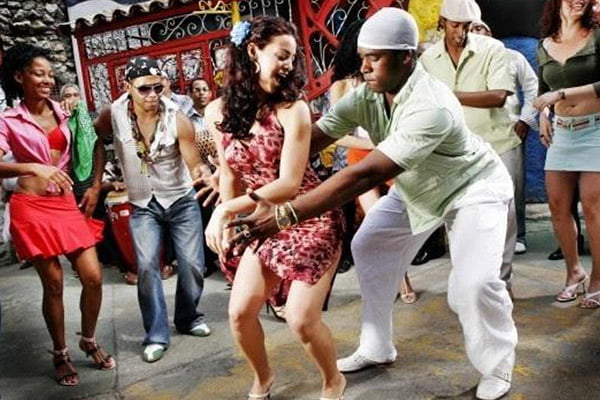
Social fun & Friendship
Plenty of students arrive with no partner and no expectation of finding one. What tends to happen instead is a rotating cast of regulars who show up week after week, which quietly solves the “how do you meet people as an adult” problem better than most apps do.
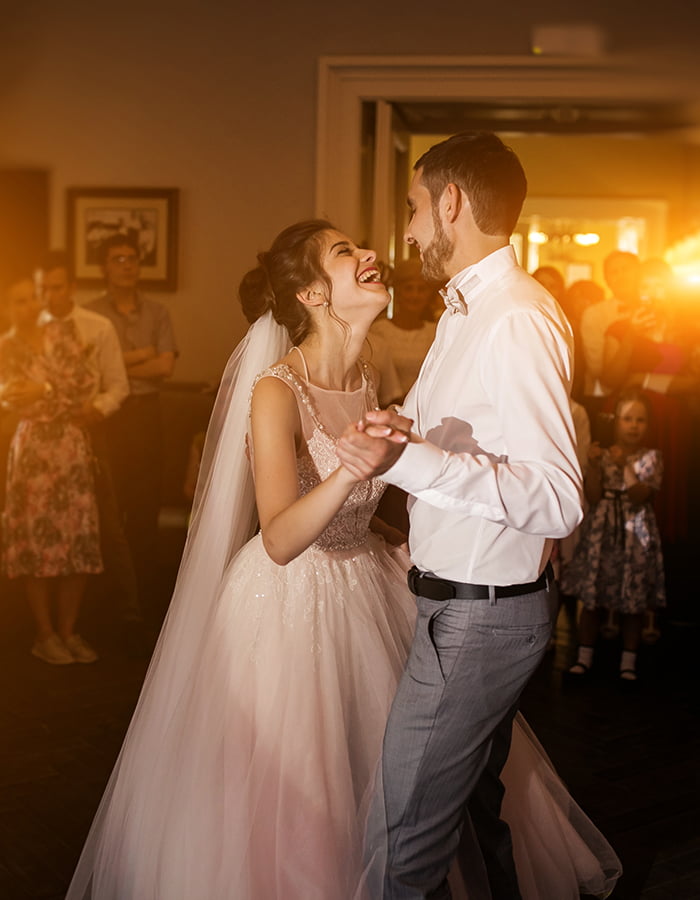
Wedding Dance
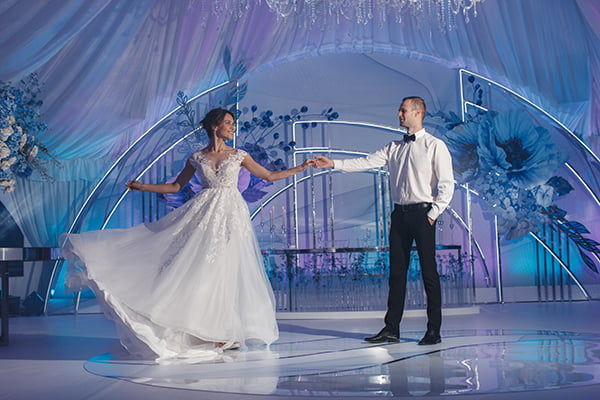
Nobody needs an elaborate routine for a first dance to land. What they need is to not feel like they’re being watched under a microscope while it happens. Our wedding dance programs are built around getting couples past that feeling, whether the plan is a traditional Waltz or something with more movement that pulls the whole reception onto the floor. A lot of our Ashburn couples are celebrating at venues near One Loudoun or driving out toward Leesburg for something with more countryside charm, and we shape the choreography around whichever room, and whichever guest list, is waiting.
Nerves show up for almost everyone, dance background or not, and half the value of working with an instructor is simply having someone talk you through that before a single step gets taught. The finish line isn’t technical perfection. It’s a first dance that actually feels like the two of you did it together.
The Waltz
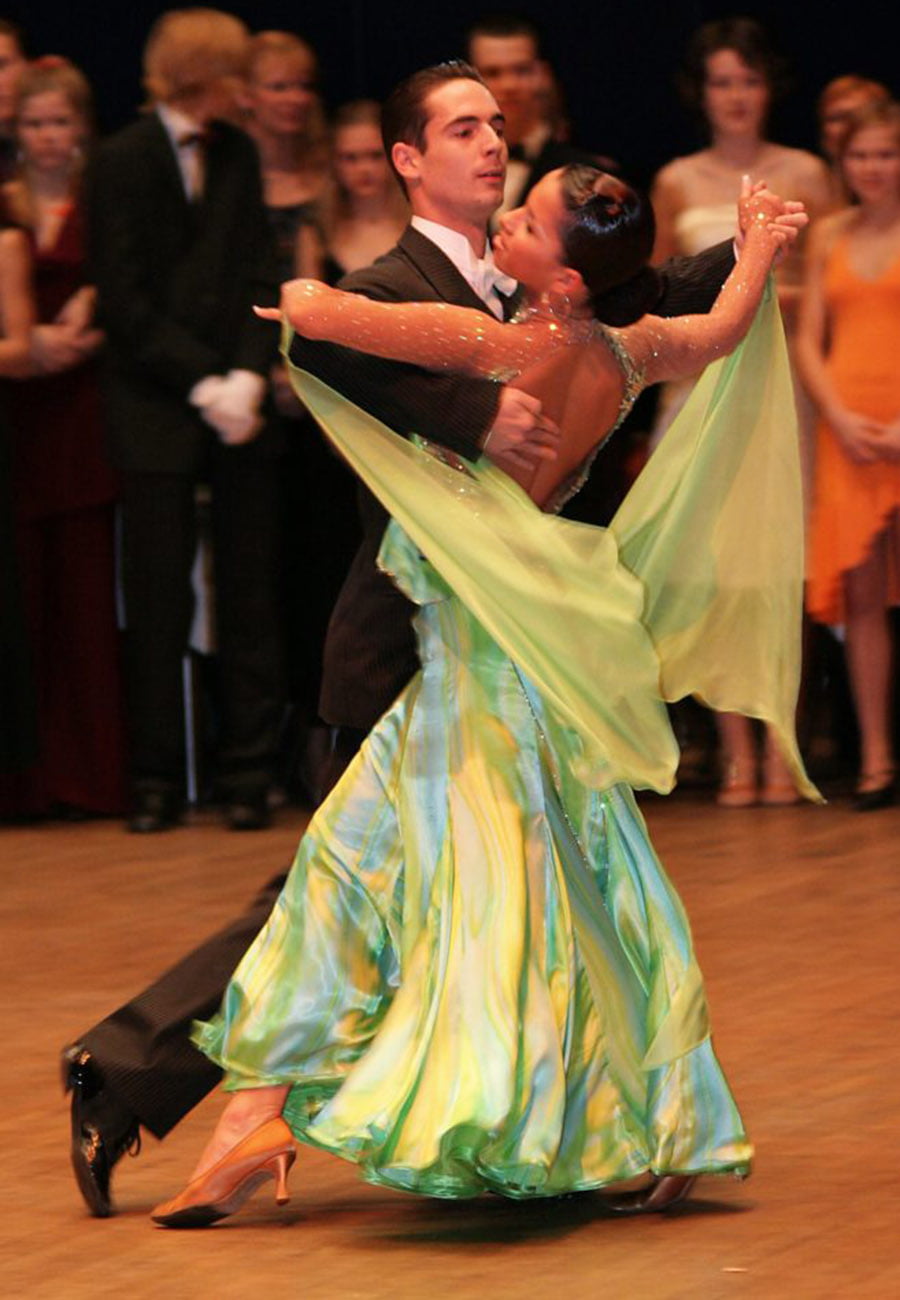
There’s a version of a Saturday evening at One Loudoun where nobody’s in a hurry, dinner runs long, the walk back to the car takes the scenic route, and that unhurried pace is more or less what the Waltz is trying to capture on a dance floor. The pattern itself, step, slide, step, in 3/4 time, comes from the Ländler, a German folk dance with roots in the 1700s, and the close embrace it introduced was genuinely controversial in its day before becoming the default for anything formal.
Sway, rise and fall, frame control, these show up again in almost every other dance taught here, which is the real argument for learning Waltz early rather than saving it for later. Most beginner social dance lessons in Ashburn open with it for exactly this reason.
THE CHA CHA
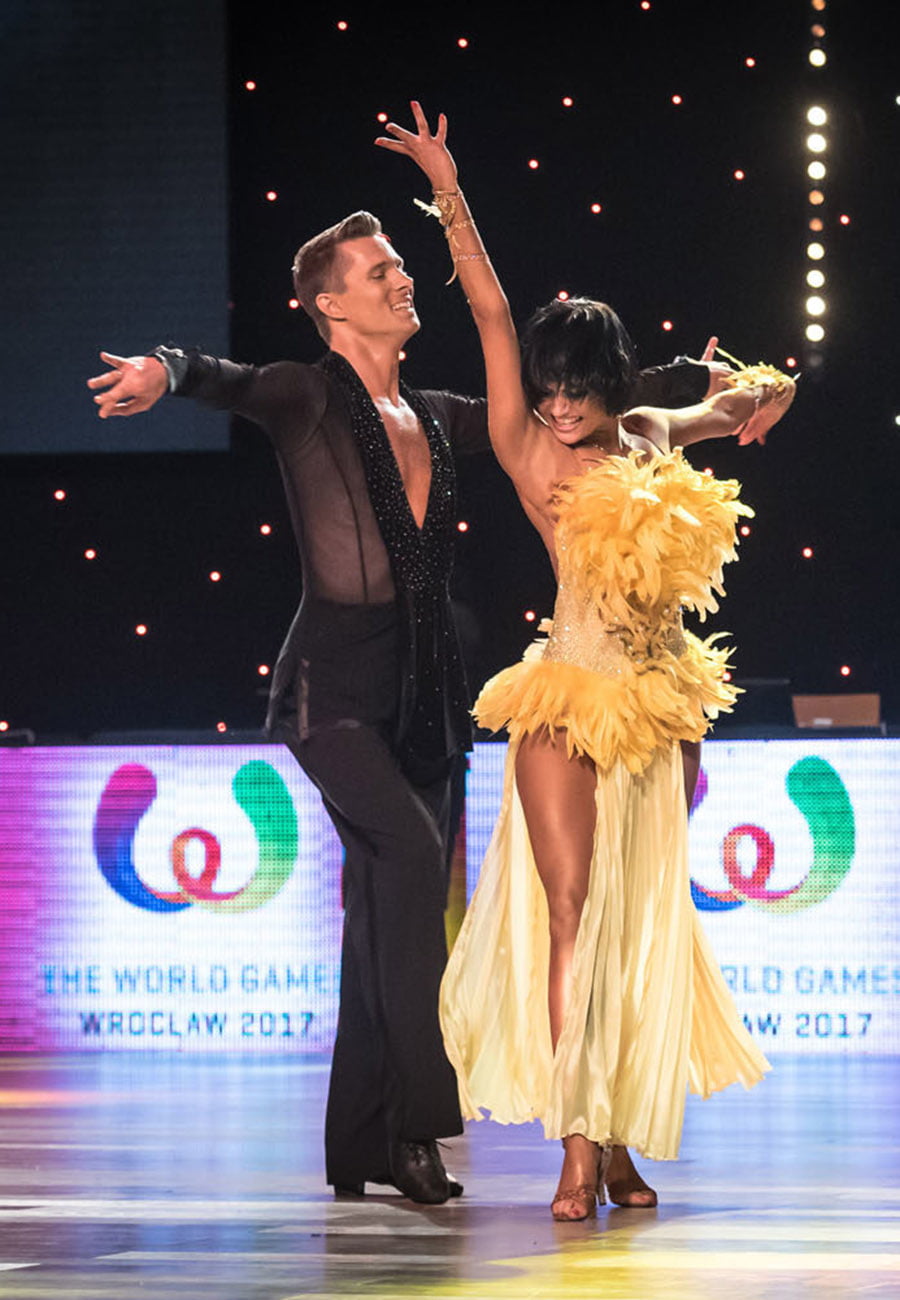
Ask a room full of new students where the Cha Cha comes from, and most will guess somewhere in South or Central America. They’re wrong, and correcting that is one of the more satisfying moments in a beginner class. The Cha Cha is an American invention, built when Mambo bands started slowing their tempo and dancers, left with an extra beat to fill, wedged a triple step into the gap between the Mambo’s forward and back rocking motion.
Students who commute in from Broadlands and Sterling tend to gravitate toward this one fast, partly because it’s the standard entry point for anyone eyeing competitive Rhythm dancing later. Learn the Cha Cha properly and half of American Rhythm dance suddenly makes a lot more sense.
The Foxtrot
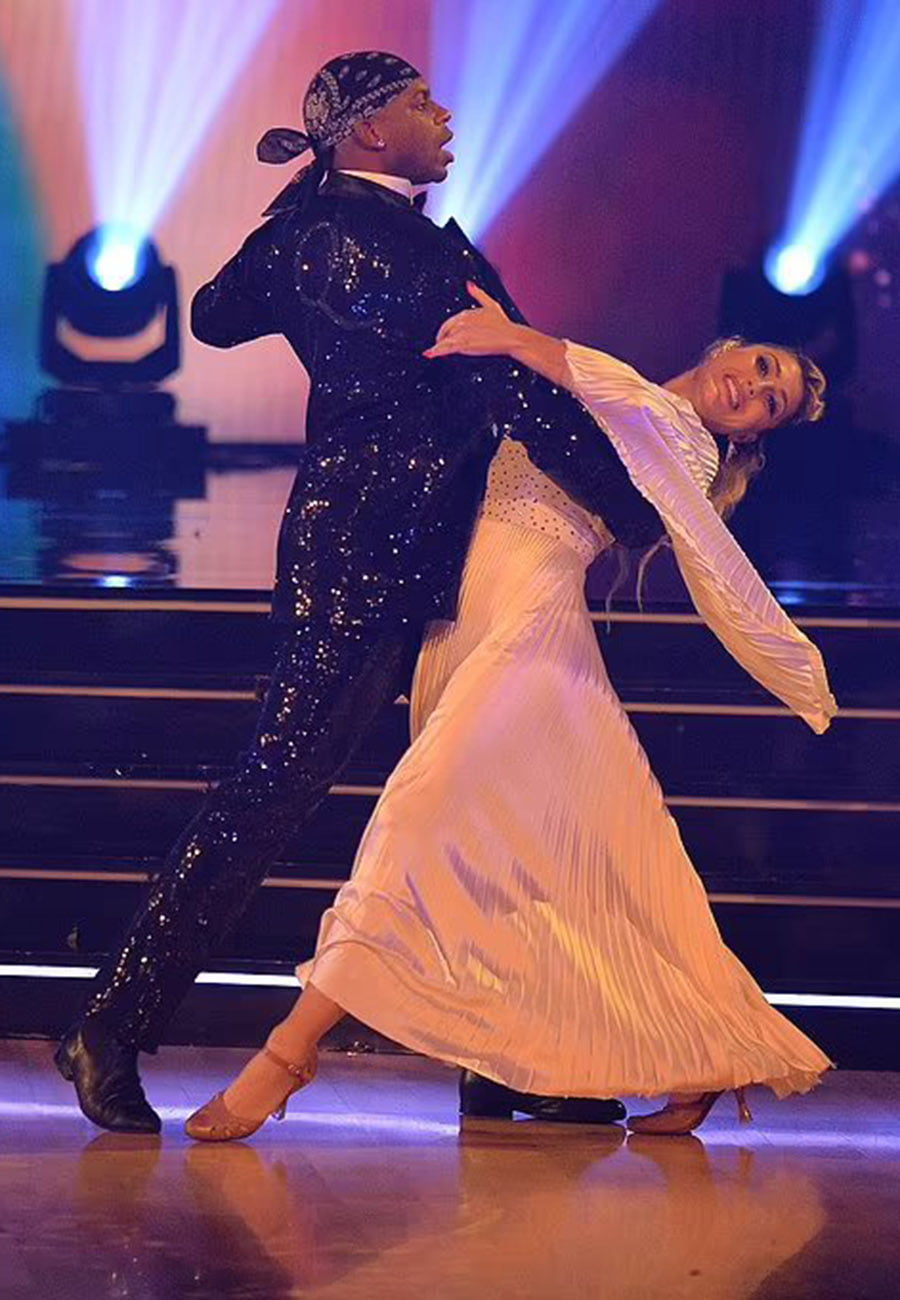
The Foxtrot doesn’t try to impress anyone, and that restraint is exactly its strength. Long, continuous strides move dancers across the floor in 4/4 time, a different feel entirely from the Waltz’s 3/4 despite the family resemblance on paper. Its “Magic Step” is a two-forward, one-to-the-side pattern that traces a knight’s move on a chessboard, and new students usually pick it up faster than any other pattern in this program.
It works at a corporate mixer near Data Center Alley just as well as it works at a black-tie gala, which is exactly the versatility that makes it worth mastering early. Underneath all of it is the actual skill our social dance lessons in Ashburn are built around: staying relaxed enough in your steps to keep talking the whole time.
The Hustle
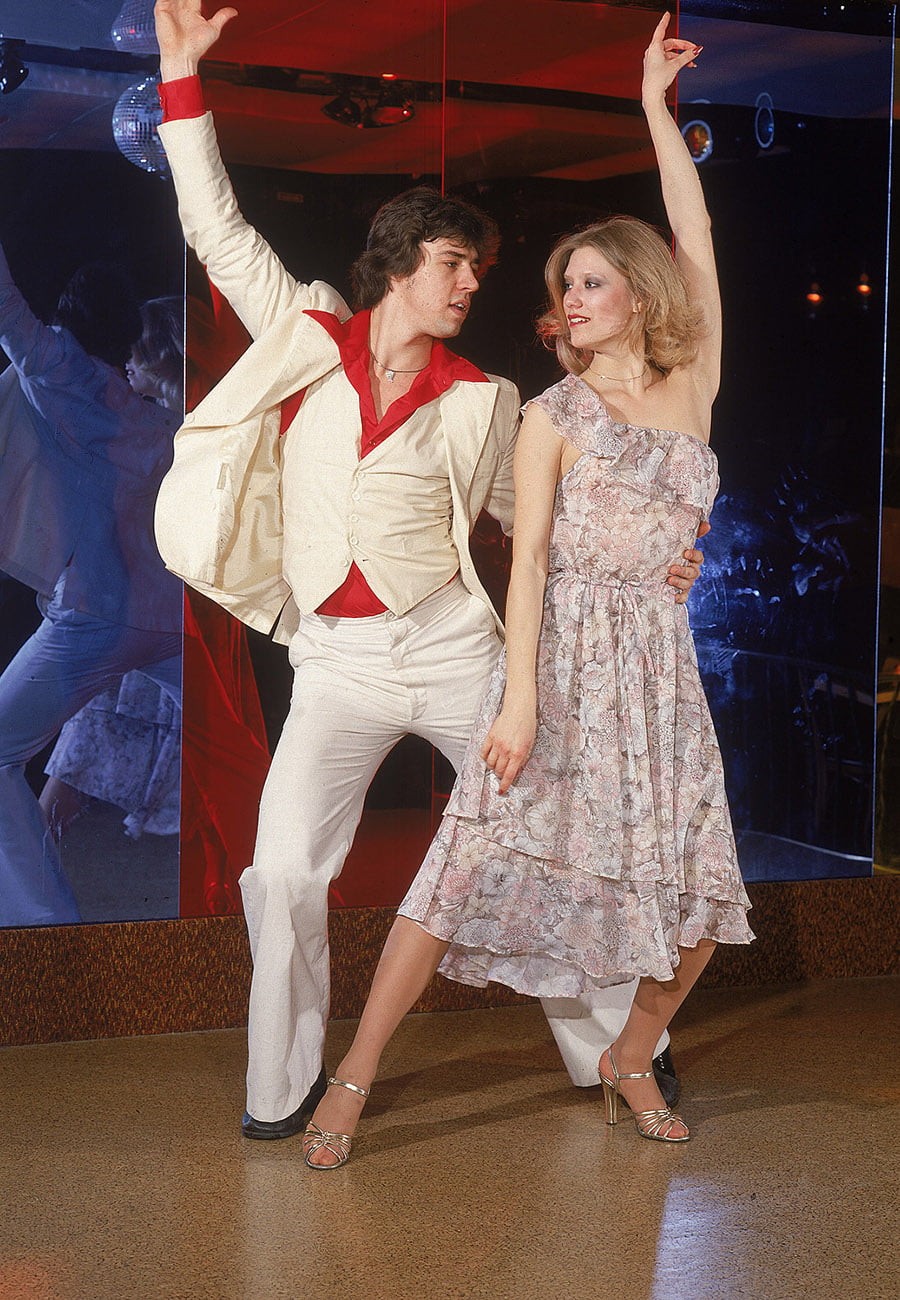
The Hustle got its name in disco-era nightclubs during the 1970s, but the label undersells how much it pulled from elsewhere, Mambo footwork, Salsa turns, Swing’s energy, all layered over a bassline heavy enough to build spins and wraps around. Its modern partnered form is often nicknamed the New York Hustle after the dancers who refined it there, though the dance’s actual original name, the Latin Hustle, tends to surprise people who assumed it was always called that.
It’s a common request from students planning a night out near Loudoun Station, where the kind of tight, energetic space the Hustle was built for is easy to find.
The Merengue
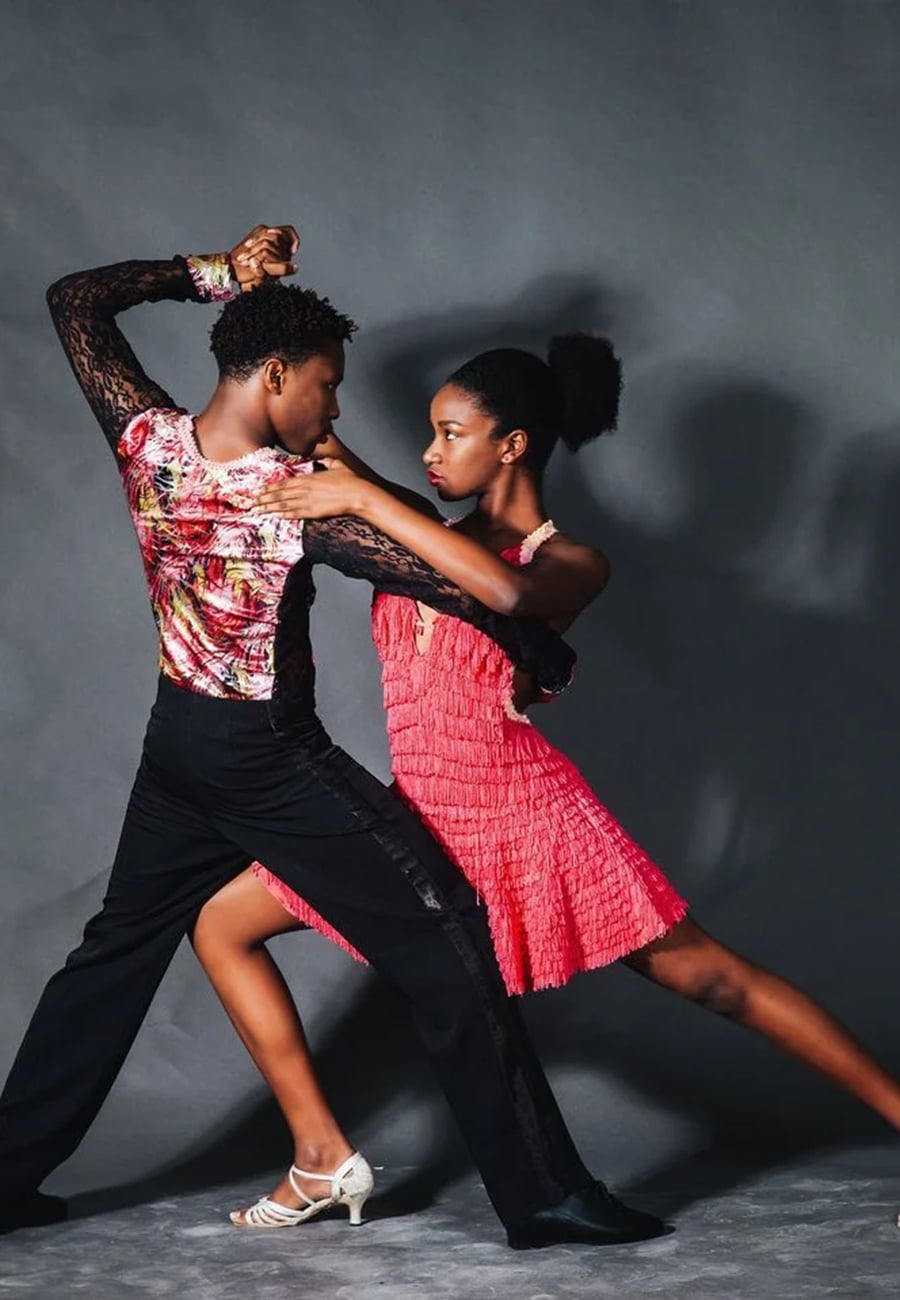
If a student tells us they have never danced a step in their life, this is where we start them. The Merengue is walking, essentially, structured into an eight-count rhythm with Cuban Motion layered on top, danced largely without traveling across the floor, which removes almost every opportunity to feel lost early on. Most people who claim to have no rhythm at all discover otherwise here, usually within the first ten minutes.
It carries both West African and Spanish influence in its DNA, and it holds the title of national dance in the Dominican Republic and Haiti, where locals call it the “singing dance” for its clipped, staccato beat. Plenty of first-time Ashburn students end up learning this one before anything else.
Sign Up For a Lesson Today
We look forward to having you in our dance studio.
THE QUICKSTEP
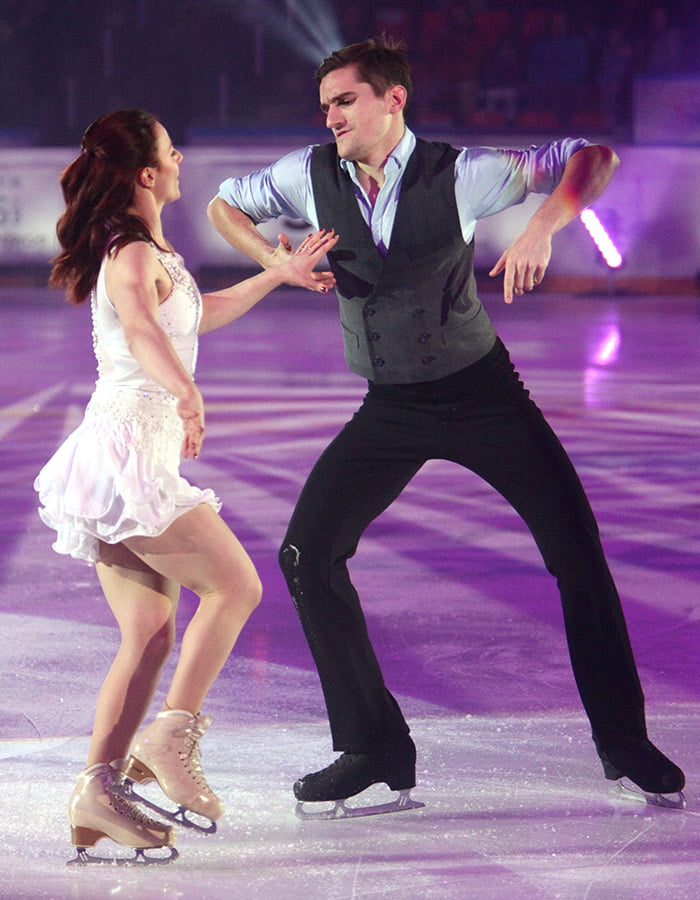
Most of ballroom dance moves at a pace that rewards patience. Quickstep does not. It’s fast from the first step, built in 1920s England when dancers took the Charleston and the Foxtrot and mashed them into something quicker and more playful than either style alone. On a competition floor, it’s the dance that visibly wakes an audience up.
That speed gets earned gradually, though. Students driving in from Sterling start well below full tempo, building clean footwork first, since Quickstep punishes sloppy technique far more than a slower dance ever would.
THE RUMBA
Trace the Rumba back far enough and you land on a Cuban rhythm called the Bolero-Son, which made its way to the United States in the early 1930s and has held onto its popularity ever since without much interruption. What defines it is restraint: smooth hip motion, a deliberate walking step, a tempo slow enough to let dancers build Cuban Motion, the hip technique that underlies almost every Latin dance taught here.
The interesting part is what happens outside the Rumba itself. Students who put real time into it tend to see immediate carryover into their Waltz, Cha Cha, and Salsa, which is why it functions less like one dance in our social dance lessons in Ashburn curriculum and more like a technical foundation the rest is built on.
The Salsa
Salsa is probably the dance people picture first when someone says “Latin dancing,” and it earns that reputation honestly. Free-flowing turns and elaborate arm patterns sit on top of a rhythm descended from Cuban Son and Rumba, and the style exploded through 1970s New York City studios before splintering into regional variations, Colombian, Cuban, Los Angeles, New York, Palladium, Puerto Rican, Rueda, On Clave, each with its own personality.
Small, crowded dance floors are Salsa’s natural habitat, which is exactly the kind of space you’ll find on a busy night near Loudoun Station. A fair number of students first got interested watching it on a screen and decided they wanted the real version.
The Swing
Jitterbug, Boogie, Lindy, Swing has answered to enough names that even longtime dancers lose track, though most East Coast studios settle on plain Swing, or East Coast Swing when the distinction matters. The lineage runs back to the Lindy Hop, with the Charleston, the Black Bottom, and the Shag all folding into it by the early 1940s to form the version taught today.
Nothing about Swing has mellowed with age. It’s still the dance that gets an entire room moving at once, which is why it’s a near-permanent fixture at summer gatherings around Ashburn Village. Flips, lifts, spins, it’s as much spectacle as it is dance.
The Tango
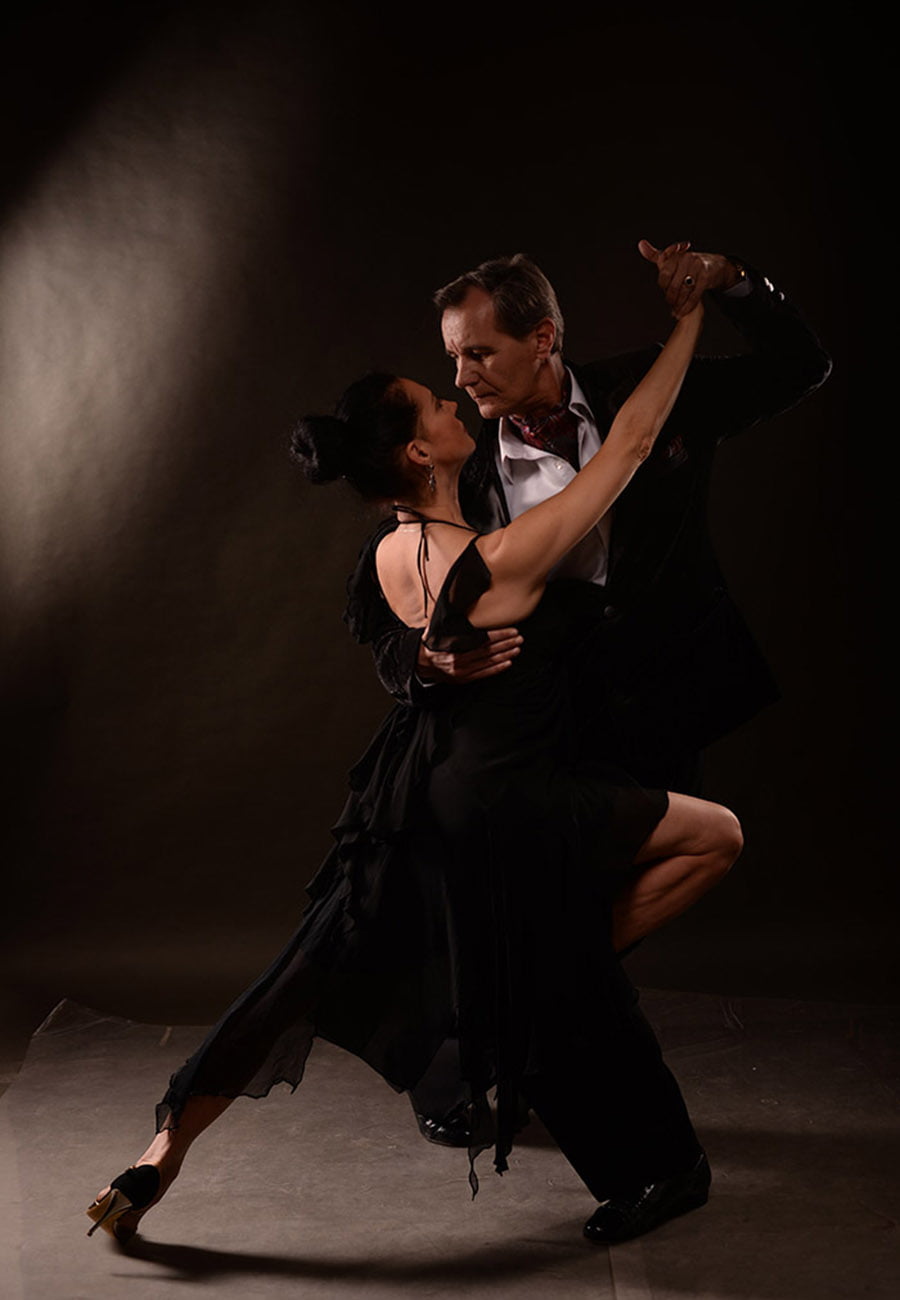
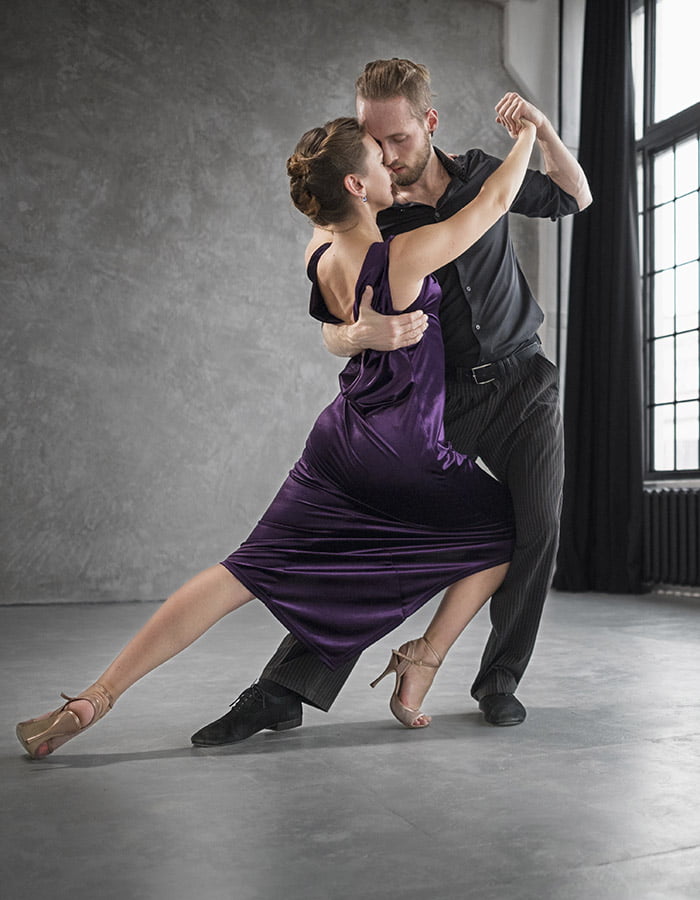
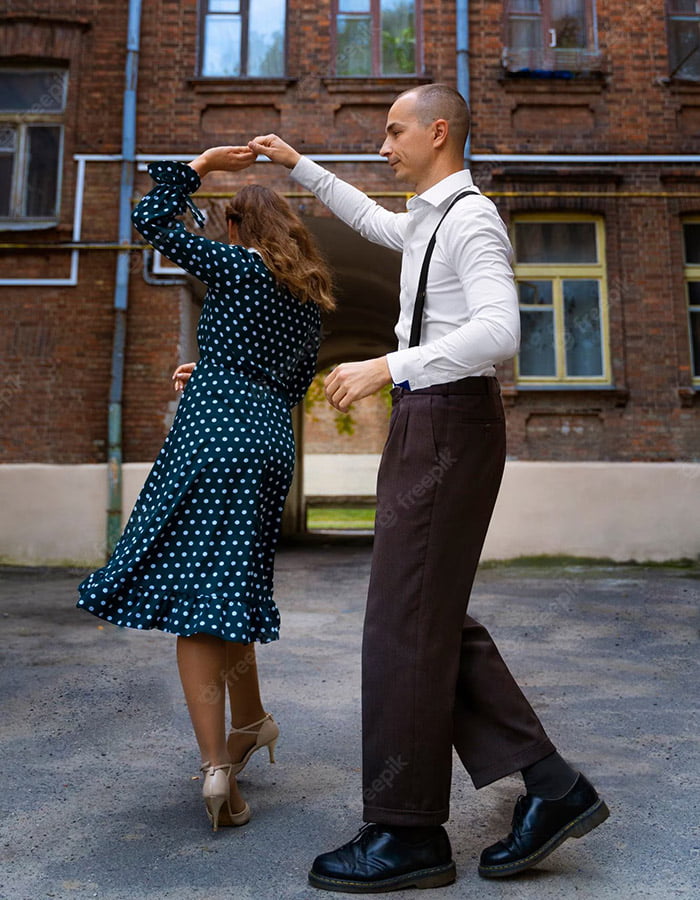
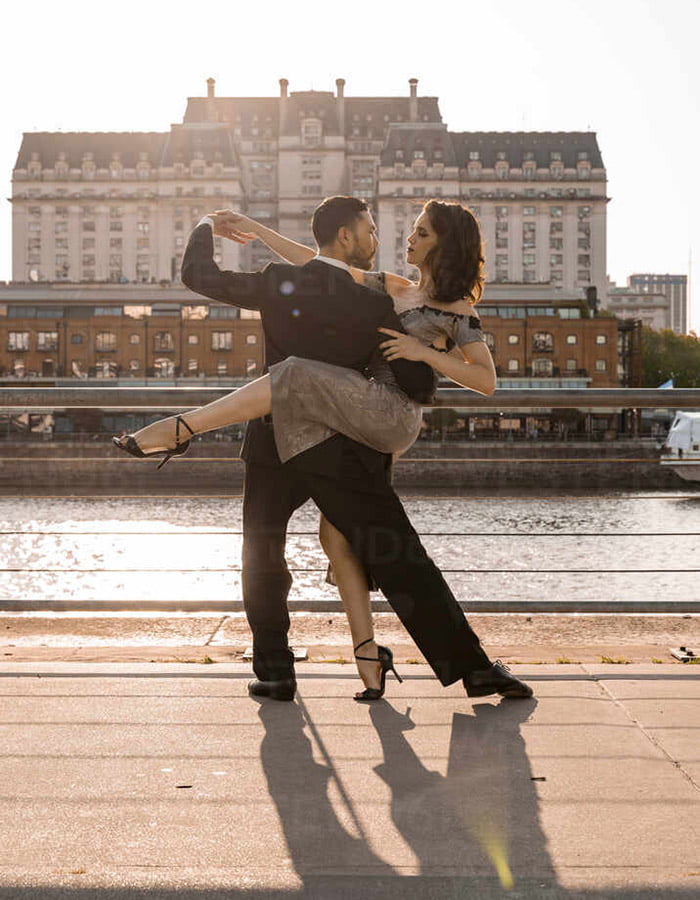
The Tango’s exact birthplace is still debated. Argentina has the strongest claim, though Brazil, Spain, and Mexico all get argued for occasionally, and most historians trace the whole lineage to a Spanish folk dance called the Milonga. What isn’t in dispute is its American arrival, sometime between 1910 and 1914, where its dramatic, deliberate style made it an instant sensation.
It’s classified as an exhibition dance because it tends to command attention the second it starts, but you don’t need a partner secured before your first lesson. Sign up, learn the pattern, and bring someone once you’re ready, a coworker from Belmont Country Club works just fine.
The Viennese Waltz
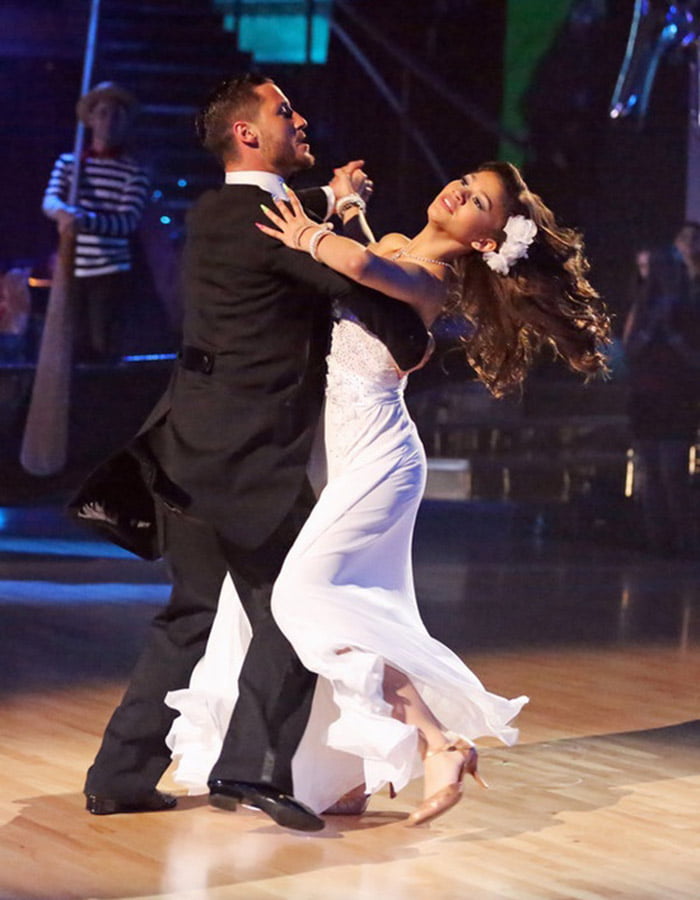
Take the standard Waltz, speed it up, and demand considerably more precision from the dancer, and you land somewhere close to the Viennese Waltz. Its patterns stay faithful to tradition even as the technique gets harder, and despite sounding ancient, it’s actually a more modern variation, closer to the original closed-couple style, typically set to some of the most famous orchestral music ever written.
A full floor of Viennese Waltzers moving together looks almost aerial, which explains why it shows up in classic film and formal balls far more than at a casual weeknight out in Ashburn. Most students add it once they’ve already built confidence through regular social dance lessons in Ashburn.
The Bolero
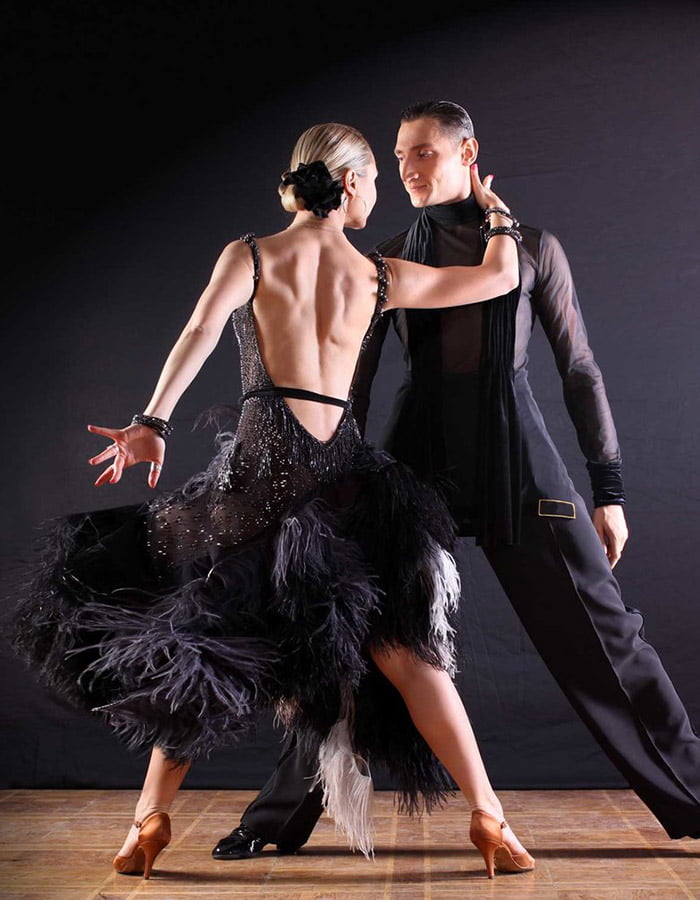
The Bolero arrived in America in the mid-1930s and has stayed one of the most physically demanding Latin dances on our schedule ever since. Its choreography borrows from bullfighting: the lead plays the matador, the follower shifts between representing the bull and the cape, and the whole routine runs on a rise and fall generated by the body rather than the feet.
It doesn’t get much airtime on a crowded social floor, Rumba and Cha Cha see far more of that, but it remains a serious favorite at competitions and showcases. Students hunting for a social dance studio in Ashburn that goes past the basics into real Latin technique usually end up here eventually.