
SOCIAL DANCE
Drive down Evergreen Mills Road today and you’ll pass Solace Brewing Co., a handful of new subdivisions, and a shopping center that didn’t exist a decade ago. Arcola has changed fast, and a lot of the people searching for social dance lessons in Arcola right now are the same people who moved in during that growth, still working out where the local gathering spots are. Social dancing solves that problem better than almost anything else. It takes the same core dances used in exhibition and competition, Foxtrot, Tango, Swing, Cha-Cha, and strips away the pressure of performing for judges, leaving behind a version built purely for talking, laughing, and connecting with a partner.
Social dancing classes in Arcola stay intentionally relaxed for that exact reason. Nobody’s chasing a perfect frame here; the actual goal is holding a conversation without losing the beat. Ballroom Boutique Dance Studio built its entire teaching philosophy around that idea, and these days a steady stream of students commute in from Arcola, along with neighboring Brambleton, South Riding, and Stone Ridge, for weekly lessons. Whether your home sits near Gum Spring Road or closer to Loudoun County Parkway, our social dance lessons in Arcola students count on are shaped around actual events, not classroom drills that never leave the room.
The hardest part, talking while you dance, gets easier faster than most people expect. A few sessions into our social dance lessons in Arcola, you’ll find yourself chatting about the newest development near Route 50 or your last visit to Solace Brewing Co. without losing your footing in the Waltz.
Benefits of the Dance
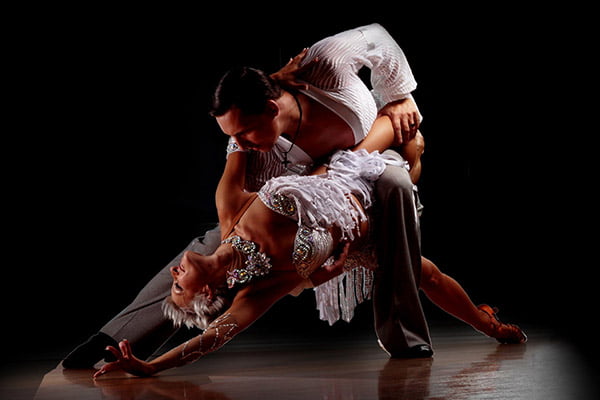
Burn Fat & Lose Weight
Because it’s low-impact, dance doesn’t beat up your joints the way running does, but an hour on the floor still burns real calories and keeps your metabolism elevated well after class ends. Most students notice the shift faster than they expected once it becomes a weekly habit.
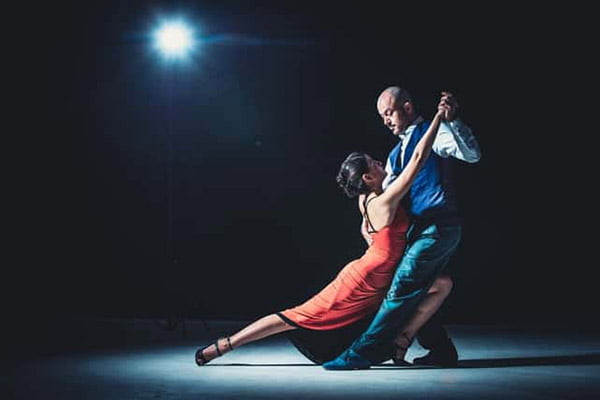
Increase Flexibility
Nobody arrives flexible on day one. It builds gradually, session by session, as your body adapts to movement patterns it’s never had to make before, and that new range of motion pays off directly in cleaner turns and steadier balance.
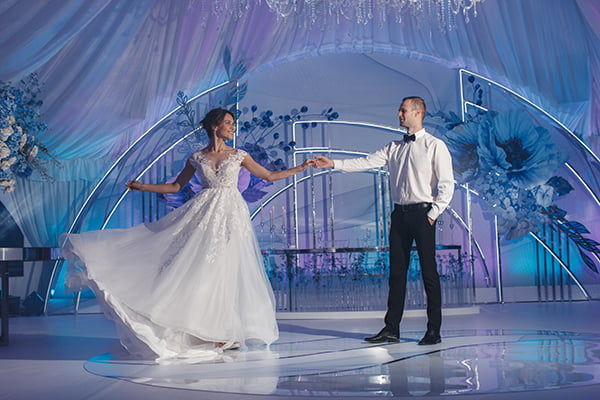
Increase Strength & Endurance
There’s a quiet strength workout hiding inside every dance pattern, since your legs and core are constantly resisting your own body weight as you move through it. A few weeks in, most students notice they feel more solid on their feet in general, not just on the dance floor.
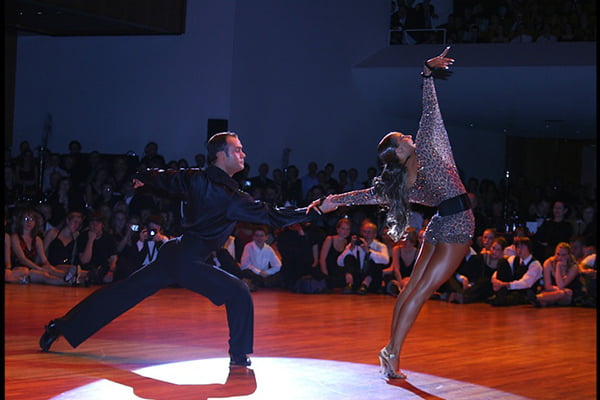
Great For All Ages
We’ve taught the basics to kids from Arcola’s newer neighborhoods and to longtime Loudoun County residents trying dance for the very first time well into their sixties. Age barely factors into how fast someone improves; showing up consistently matters far more.
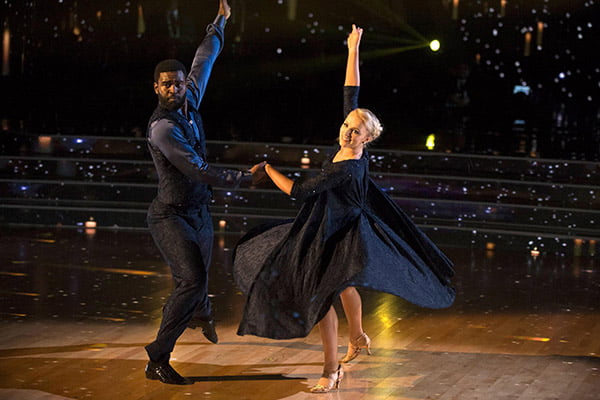
Physical Health
The clinical benefits are well documented: lower blood pressure and cholesterol, stronger cardiovascular health, denser bones, reduced diabetes risk. What actually keeps people coming back, though, is that none of it feels like a workout. It feels like a night out.
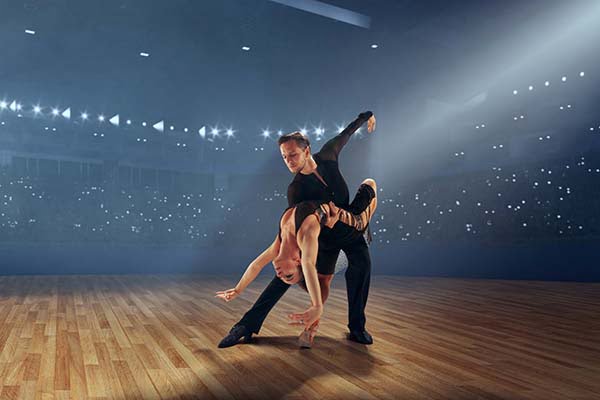
Mental Health
For one hour a week, your phone stays in your bag and your brain has to focus on something entirely physical instead of a running to-do list. That reset is a big part of why beginner social dance lessons in Arcola tend to fill up fastest right after a stressful stretch at work, especially in a community still adjusting to so much new growth.
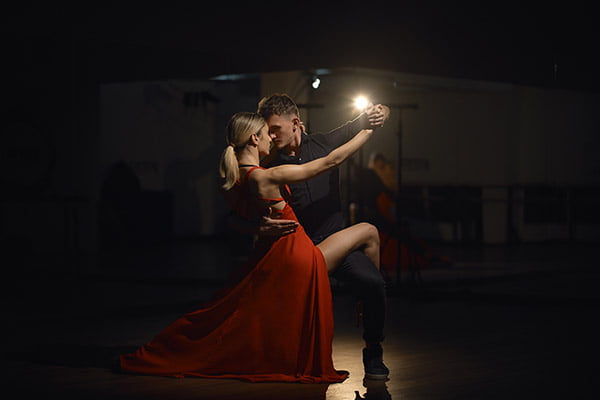
Confidence
Confidence built on a dance floor rarely stays there. Students in our social dance lessons in Arcola program consistently tell us that once they’ve learned to hold eye contact and lead a turn in front of strangers, everyday social situations start feeling a lot less intimidating.
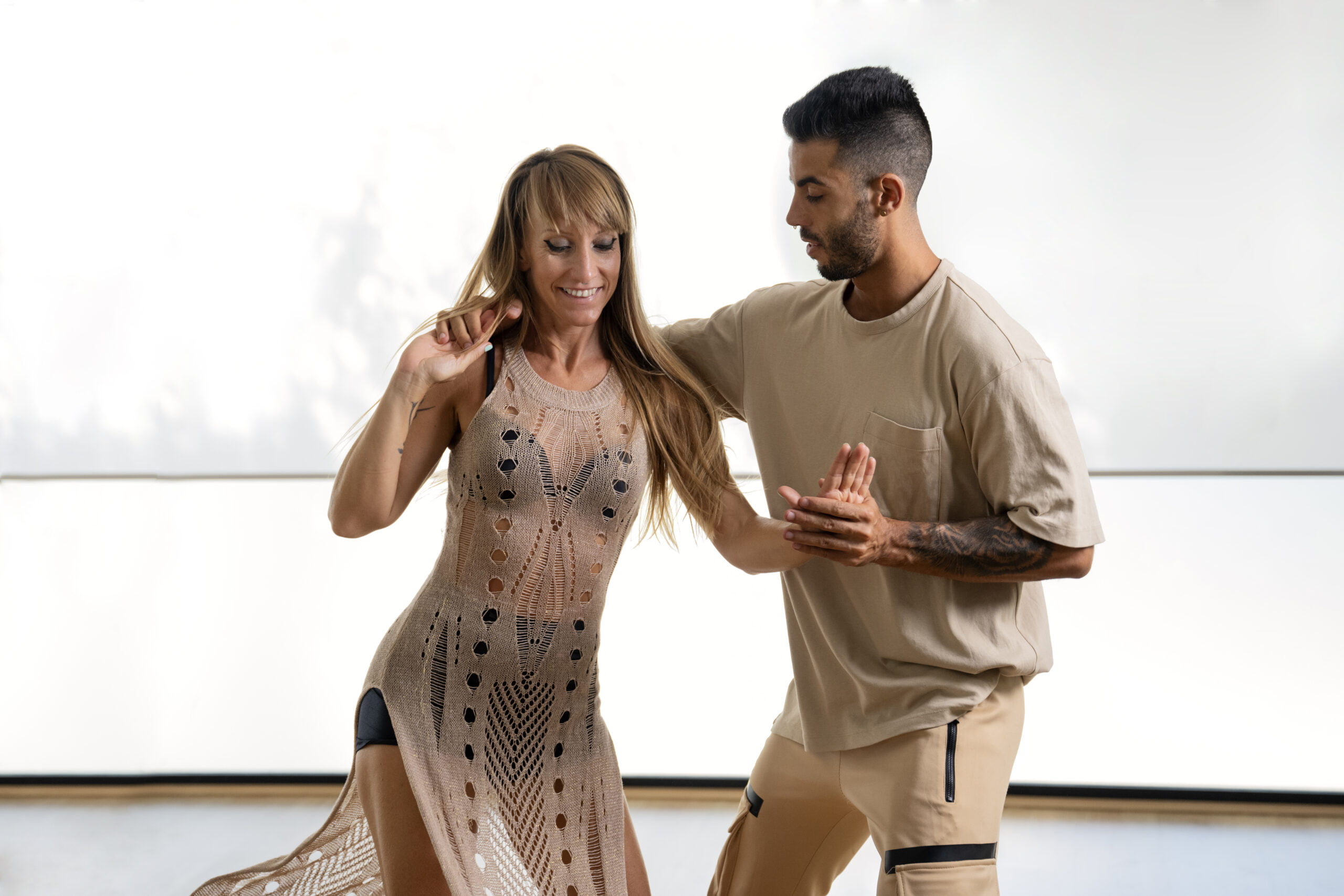
Self-Expression & Creativity
Once footwork stops requiring conscious thought, dancers start layering in their own touches, a gesture, a pause, a bit of personal flair, and that’s usually the moment a class stops feeling like instruction and starts feeling like something closer to art.
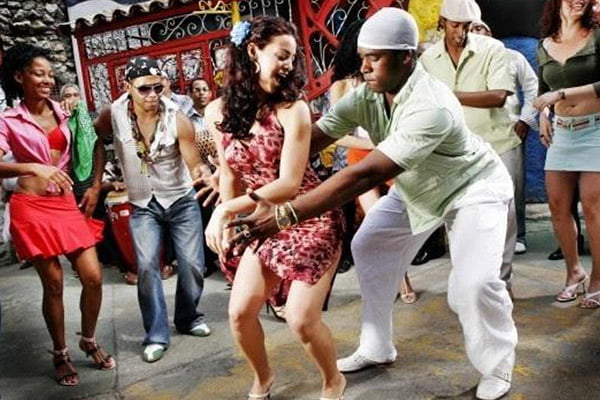
Social fun & Friendship
A surprising number of students show up without a partner at all. Within a few weeks, most have built a regular rotation of dance friends, which matters even more in a neighborhood like Arcola that’s still figuring out its social rhythm.
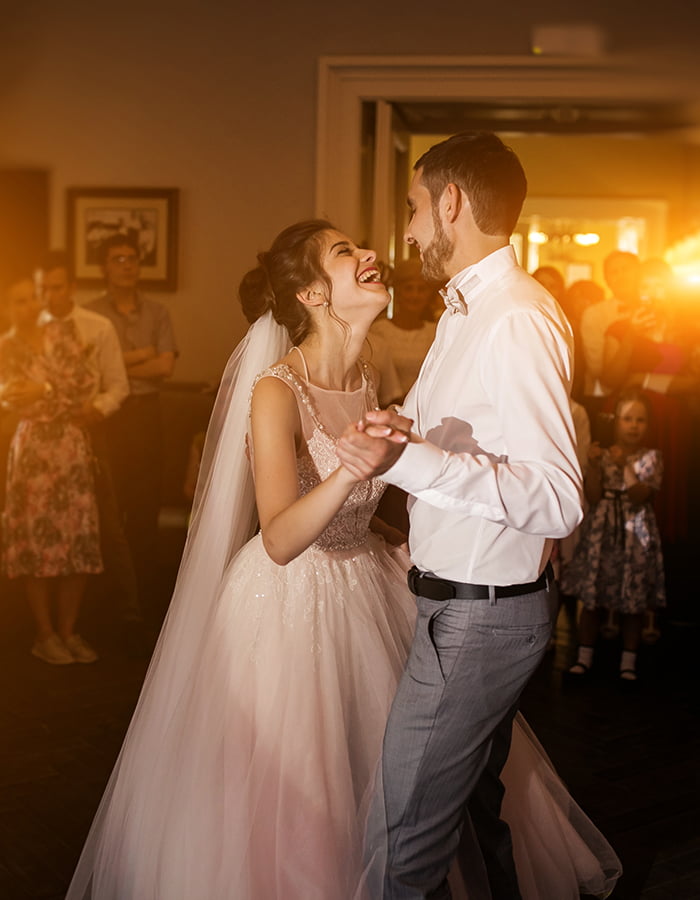
Wedding Dance
Your first dance doesn’t need to be complicated to be unforgettable. What actually matters is that both of you feel ready, not over-rehearsed, when the room goes quiet and the music starts. We build wedding routines around whatever suits you best, whether that’s a Waltz you’ve pictured since childhood or something with more energy that gets the whole reception on its feet. Arcola couples often celebrate closer to home or at venues in Brambleton and South Riding, and our approach flexes to fit the room, the guest list, and how much dance experience either of you brings in.
Nerves are the rule, not the exception, and part of our job is simply talking couples through that before choreography even enters the picture. By the time the wedding date arrives, the goal isn’t a flawless performance; it’s a first dance that genuinely feels like the two of you.
The Waltz
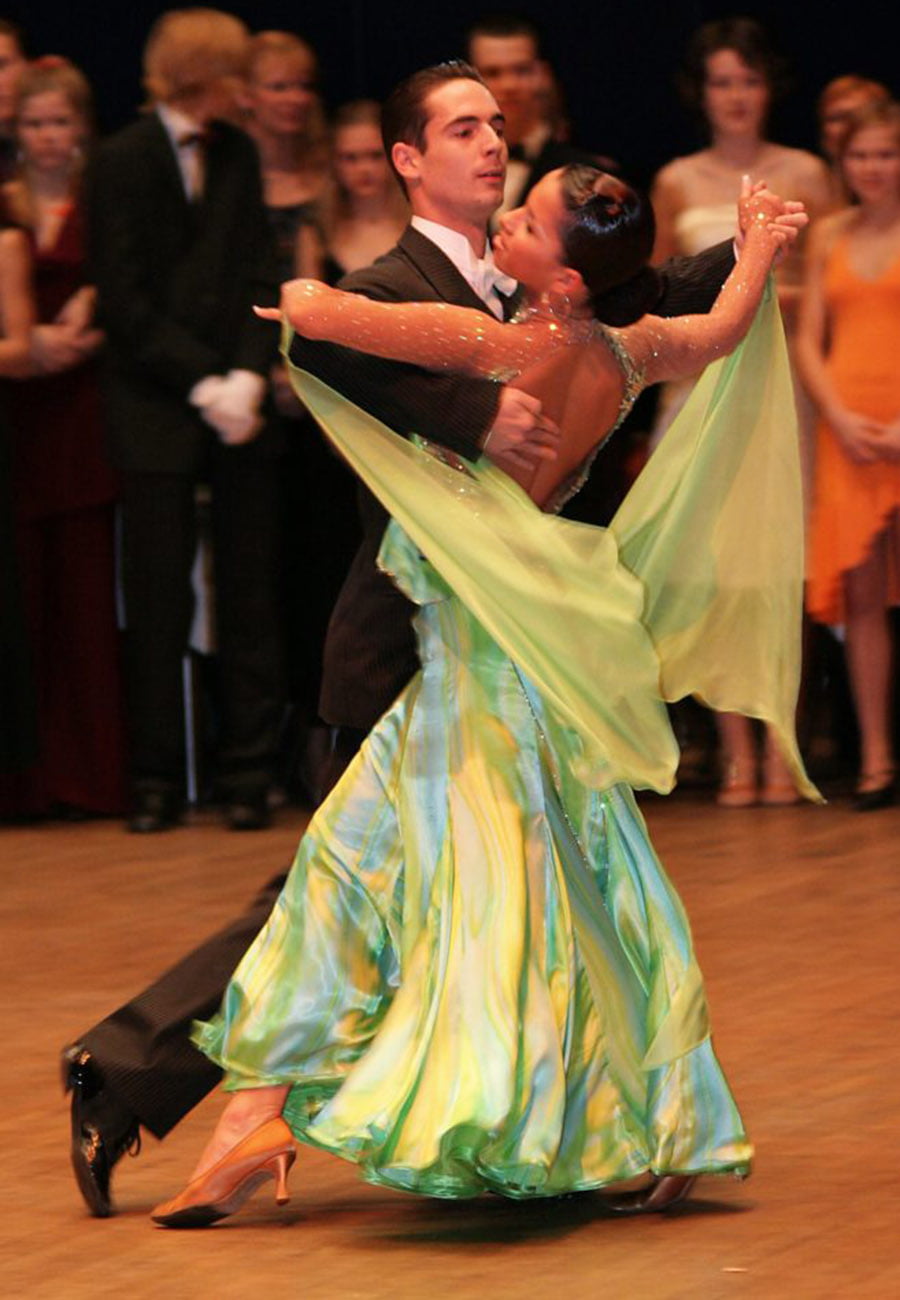
There’s an old-world elegance to the historic streets near Aldie Mill, the kind of unhurried grace that predates almost everything else in this part of Loudoun County, and that same quality is baked into the Waltz. Its rhythm, that familiar step-slide-step in 3/4 time, comes from the Ländler, a German folk dance dating back to the 1700s. Couples dancing it in a close embrace once scandalized polite society; today it’s the exact opposite, the dance most requested for anything formal.
What makes the Waltz worth learning first isn’t sentiment, it’s technique. Sway, rise and fall, frame control, these fundamentals resurface in nearly every other dance on this page, which is exactly why beginner social dance lessons in Arcola so often start right here.
THE CHA CHA
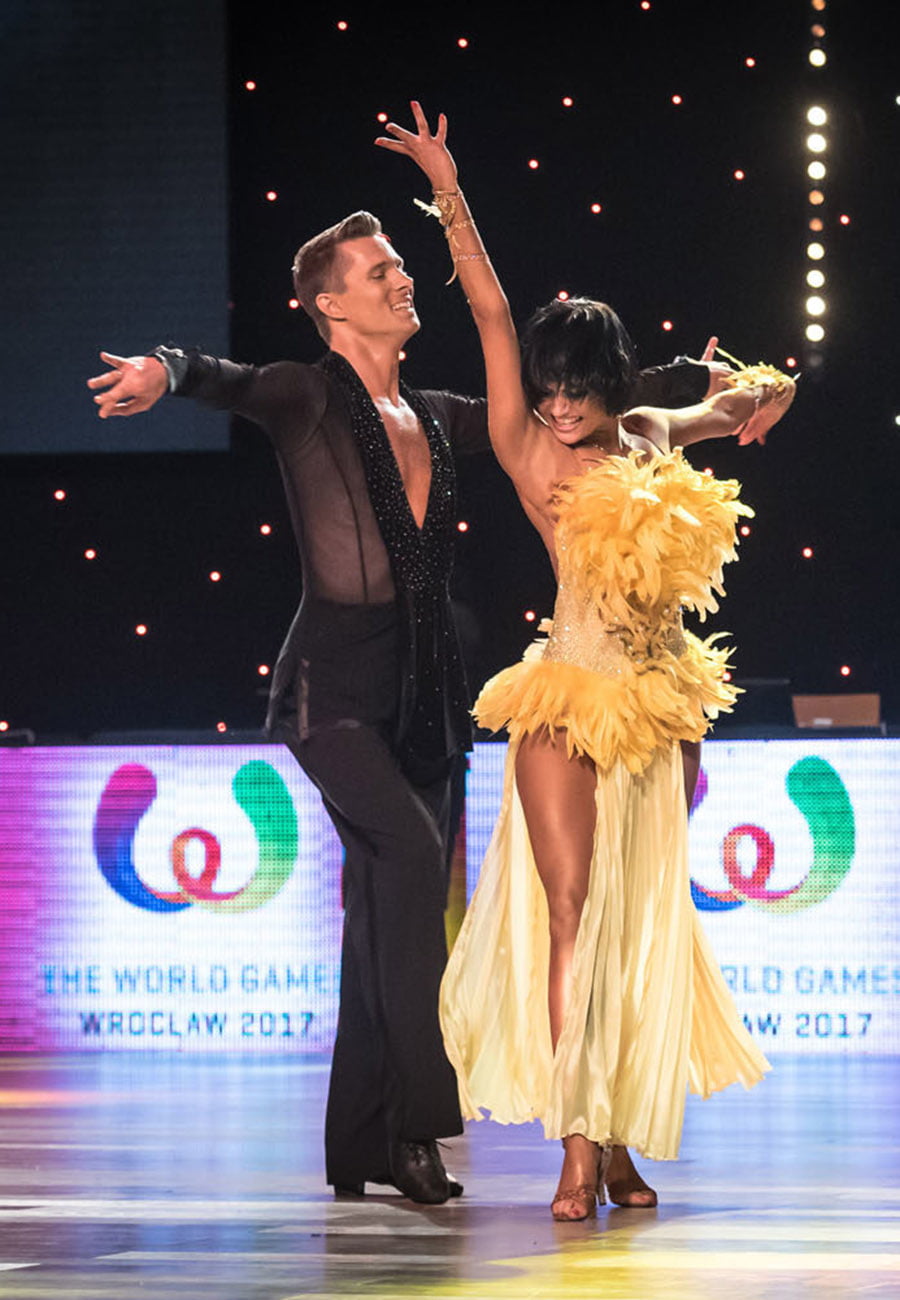
Most people assume the Cha Cha traveled north from somewhere in South or Central America. It’s one of our favorite facts to correct in class, because the dance was actually invented in the United States, a homegrown reworking of the Mambo. When Mambo bands began slowing their tempo, dancers found an extra beat to fill and inserted a triple step between the forward and back rocking motion, and a new dance emerged almost by accident.
Today it’s one of the most requested lessons among students training near Arcola’s newer neighborhoods, largely because it doubles as the entry point into competitive Rhythm dancing. Master the Cha Cha and you’ve effectively built the foundation for half a dozen other Latin styles at once.
The Foxtrot
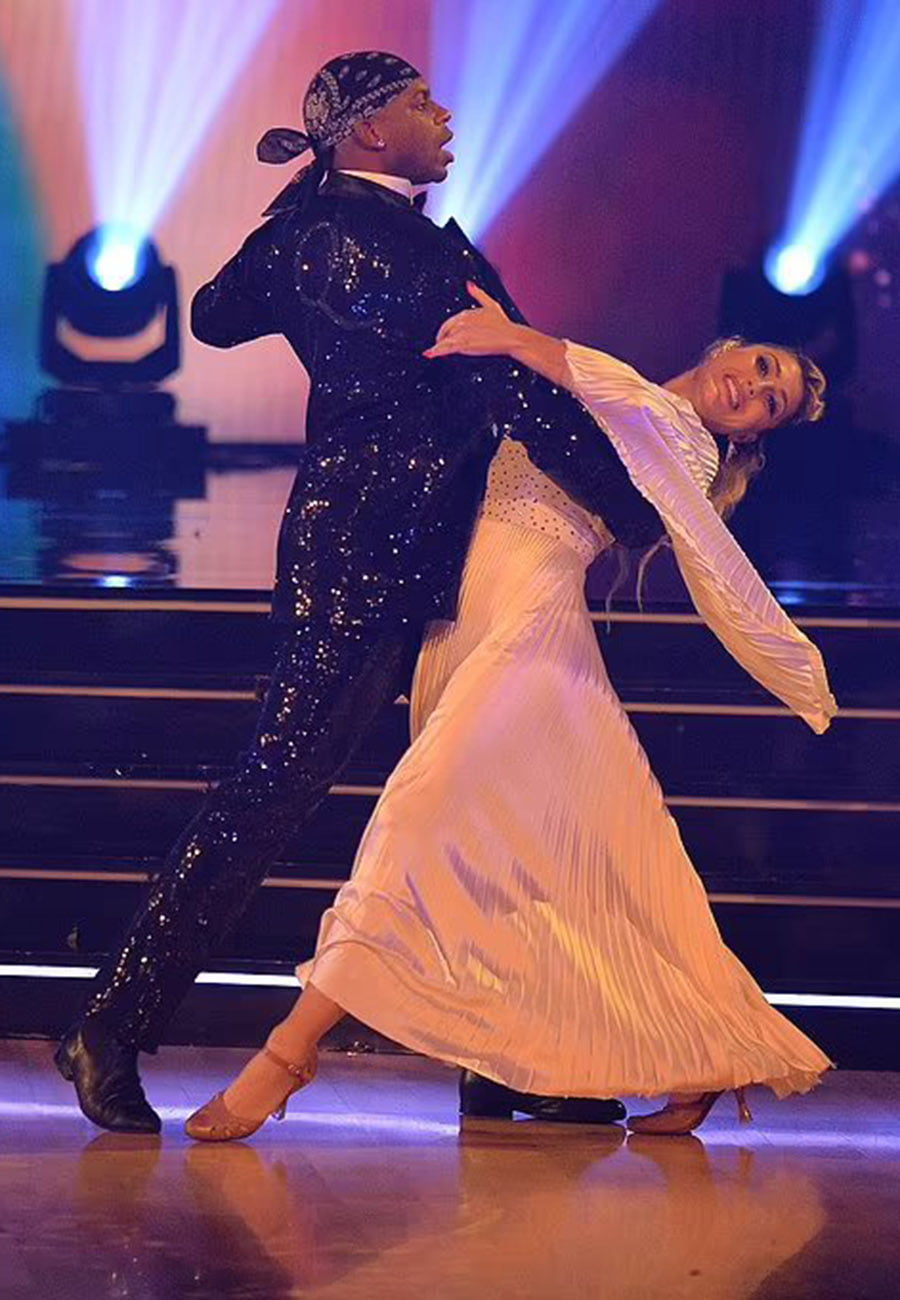
If the Waltz reads as elegant, the Foxtrot reads as efficient. Long, continuous strides carry dancers smoothly across the floor in 4/4 time, a noticeably different feel from the Waltz’s 3/4 despite the visual family resemblance. The signature “Magic Step” is a favorite teaching moment for new students here: two steps forward, one to the side, tracing the exact path a knight makes on a chessboard.
It’s not the flashiest dance in the room, but it’s arguably the most useful one we teach, since it works just as well at a casual evening near the Arcola shopping center as it does at a formal event. More importantly, it’s the fastest route to the actual skill behind our social dance lessons in Arcola: staying loose enough to hold a real conversation while you move.
The Hustle
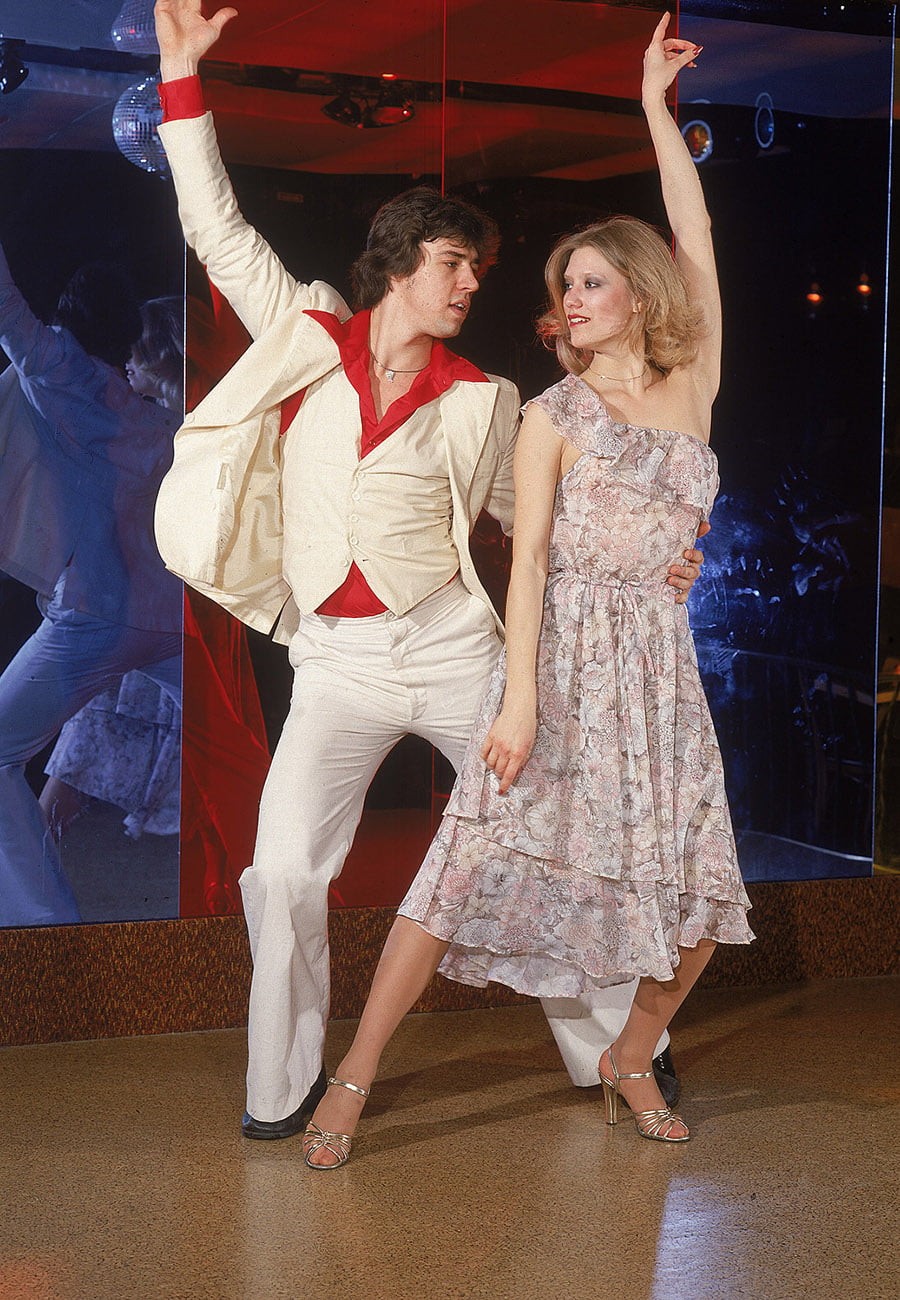
Disco gave the Hustle its name in the 1970s, but calling it purely a “disco dance” undersells how much it borrowed from elsewhere. There’s Mambo in the footwork, Salsa in the turns, Swing in the energy, all set to a bassline built for spins and wraps. New York dancers get credit for shaping the partnered version now often called the New York Hustle, though its actual original name was the Latin Hustle, a detail that surprises most students.
Ask around and you’ll find it’s a frequent request among students planning a night out at a Brambleton bar, mostly because it’s built for exactly that kind of high-energy, close-quarters setting.
The Merengue
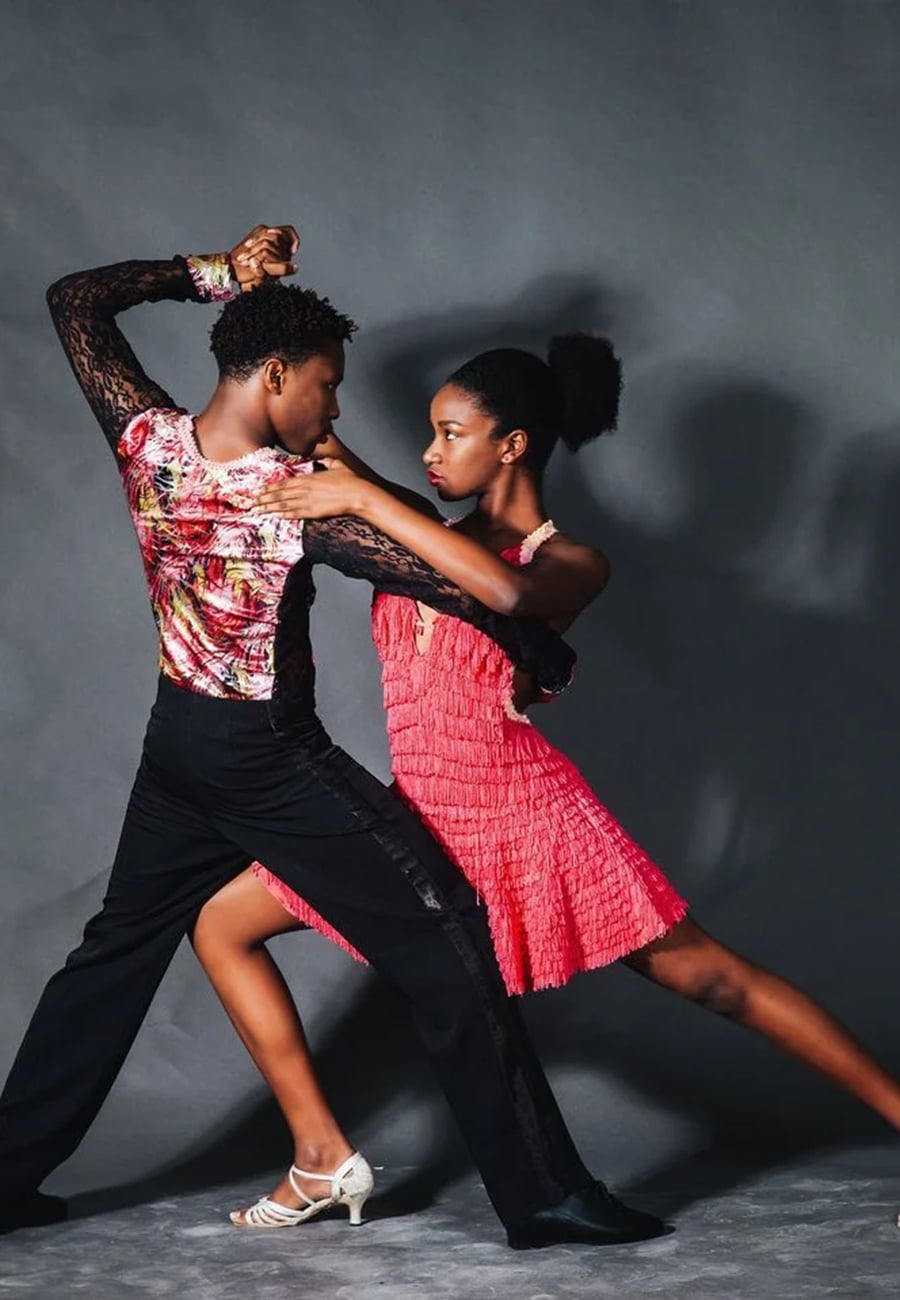
There’s a reason we hand this dance to first-time students constantly. The Merengue runs on a walking or marching step, an eight-count rhythm layered with Cuban Motion, danced almost entirely in place, which leaves very little room for anything to go wrong on day one. It’s what we recommend to anyone convinced they have zero rhythm, and more often than not, they leave that first class surprised at how quickly it clicked.
Its roots trace through both West Africa and Spain, and today it holds the title of national dance in both the Dominican Republic and Haiti, where it’s affectionately nicknamed the “singing dance” for its staccato beat. Ask most first-time Arcola students what dance they learned first, and there’s a good chance the answer is this one.
Sign Up For a Lesson Today
We look forward to having you in our dance studio.
THE QUICKSTEP
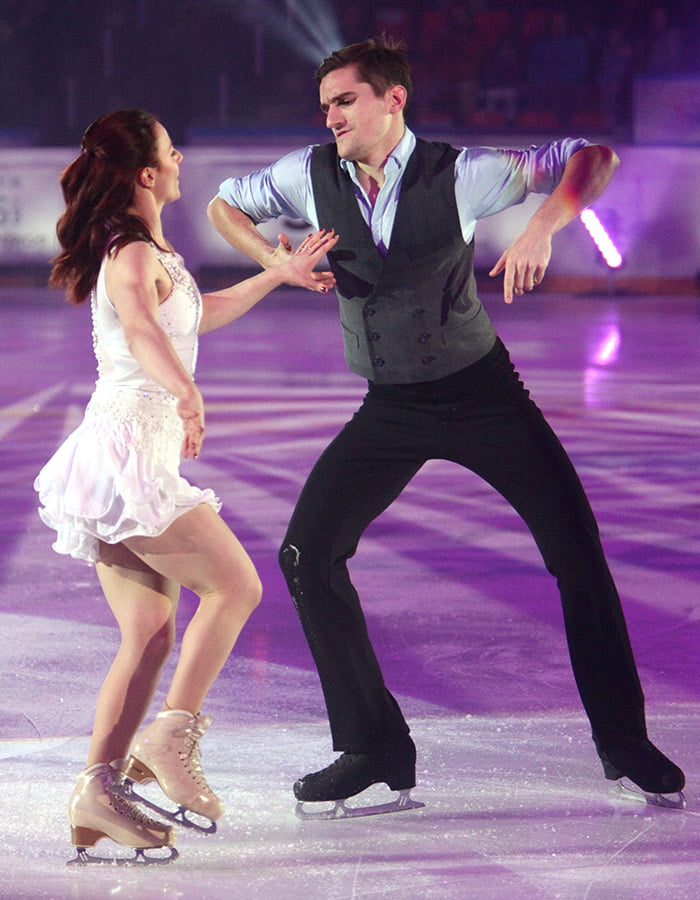
Every rule has an exception, and in ballroom dance, Quickstep is it. Everything about it moves faster, the footwork, the tempo, the overall energy in the room, and it came together in 1920s England when dancers fused two existing styles, the Charleston and the Foxtrot, into something with more speed and more personality than either original had alone.
That speed is exactly why it’s a competition favorite; nothing wakes up a crowd faster. Students commuting in from South Riding don’t start at full tempo, though. We slow things down considerably at first so the footwork actually sets before we ask anyone to pick up speed.
THE RUMBA
Cuba gets the credit for the Rumba’s roots, specifically a rhythm called the Bolero-Son that crossed into the United States in the early 1930s and never really left the popular imagination since. It’s a dance built on subtlety: smooth hip motion, a deliberate walking step, a slower tempo that gives dancers time to develop what’s called Cuban Motion, the technical hip action underneath nearly all Latin dance.
Here’s what surprises new students most: mastering Rumba doesn’t just improve your Rumba. Dancers who put real work in here almost always see a jump in their Waltz, their Cha Cha, and their Salsa all at once, and that ripple effect is exactly why it holds a central spot in our social dance lessons in Arcola curriculum rather than being treated as a standalone unit.
The Salsa
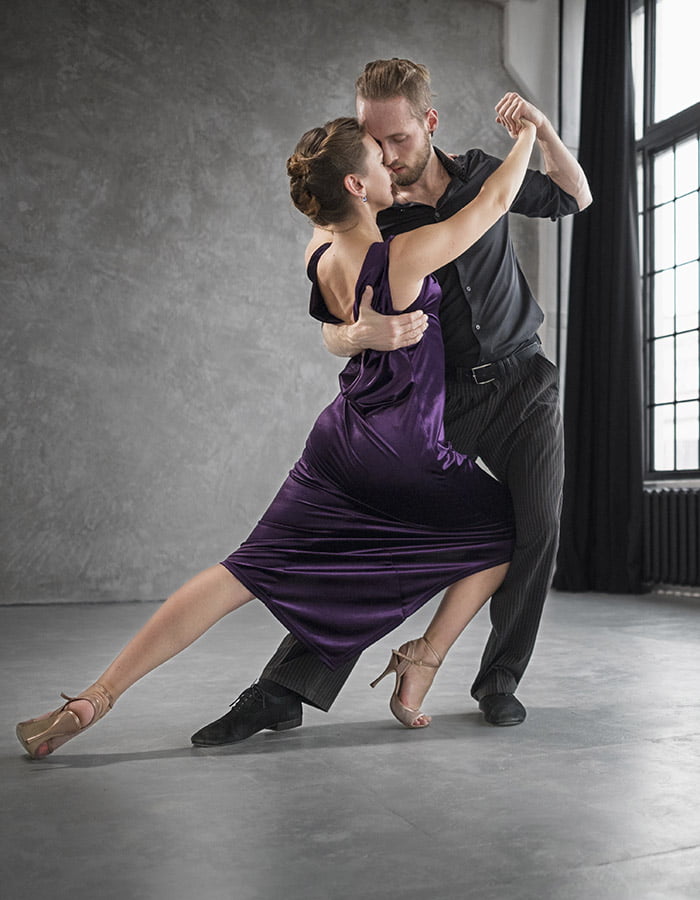
Salsa is the dance most people picture when they think “real” Latin dancing, and there’s good reason for that. It layers free-flowing turns and elaborate arm patterns on top of music descended from Cuban Son and Rumba, and it exploded in popularity through 1970s New York City studios, both franchised and independently owned. Regional variations have since branched into their own identities: Colombian, Cuban, Los Angeles, New York, Palladium, Puerto Rican, Rueda, On Clave, each with a slightly different flavor.
It thrives in tight spaces, which makes it a natural fit for a busy night near Evergreen Mills Road. Plenty of our students first got curious after watching it performed on television and decided they wanted to actually try it themselves.
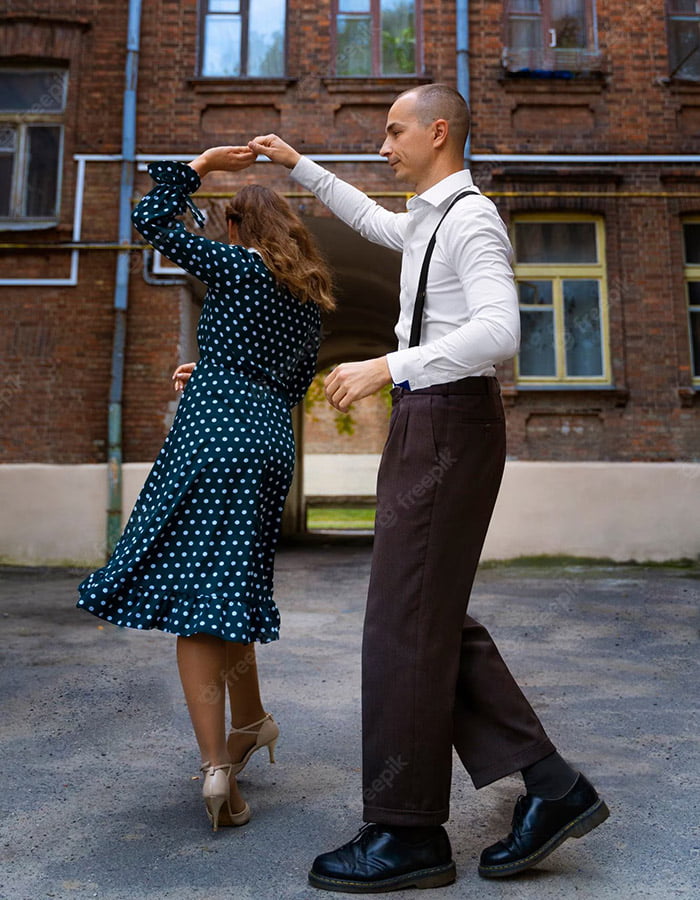
The Swing
Swing has worn more names over the decades than almost any other dance on this page: Jitterbug, Boogie, Lindy, though East Coast instructors typically just settle on Swing, or East Coast Swing when precision matters. It grew directly out of the Lindy Hop, absorbing the Charleston, the Black Bottom, and the Shag along the way before the three consolidated into a single style by the early 1940s.
What hasn’t changed over the decades is its energy. Swing spreads through a room in a way most dances don’t, which is exactly why it becomes the unofficial soundtrack whenever Arcola and Aldie neighbors throw a party together. Flips, lifts, spins, it’s built for spectacle as much as for dancing itself.
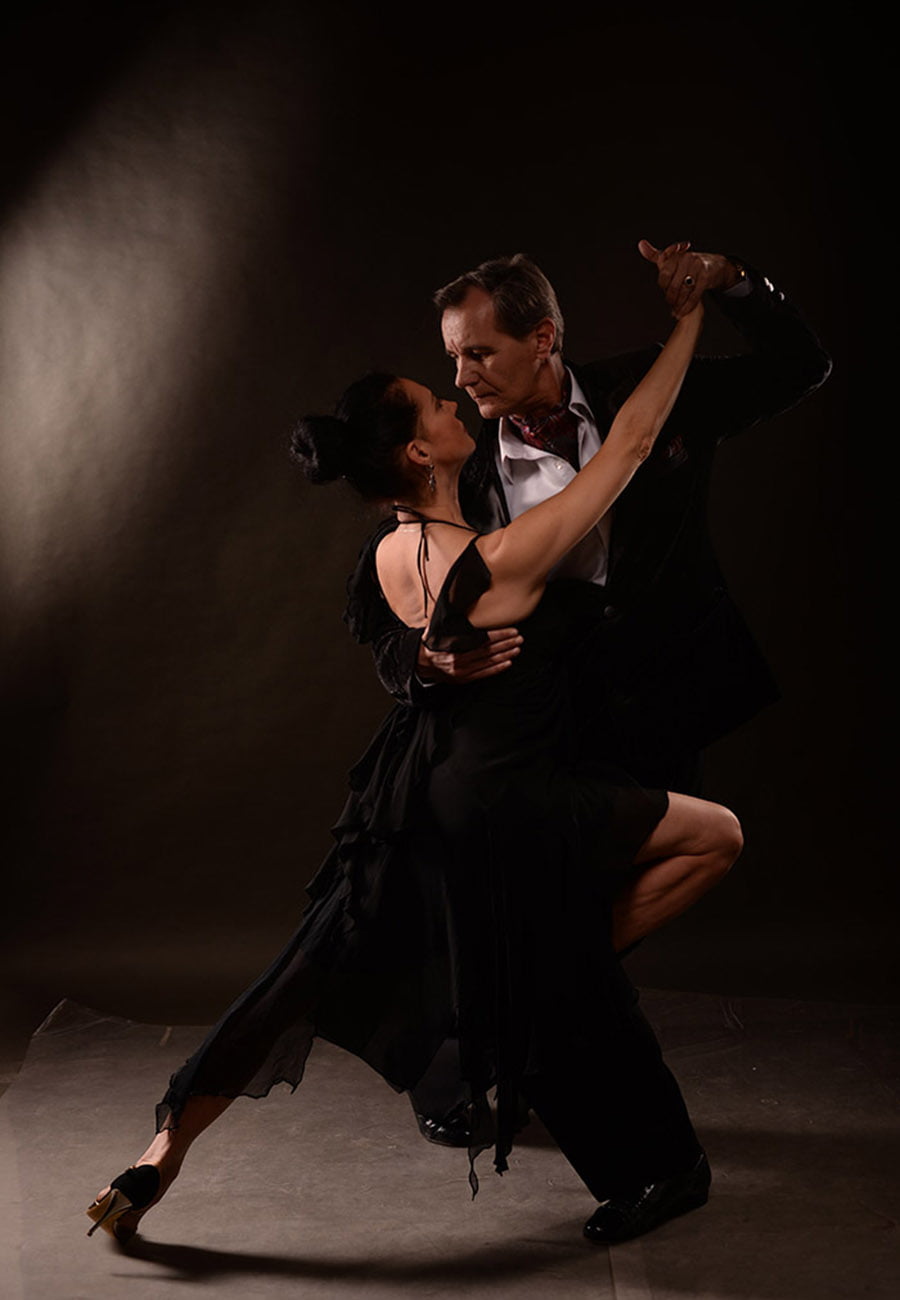
The Tango
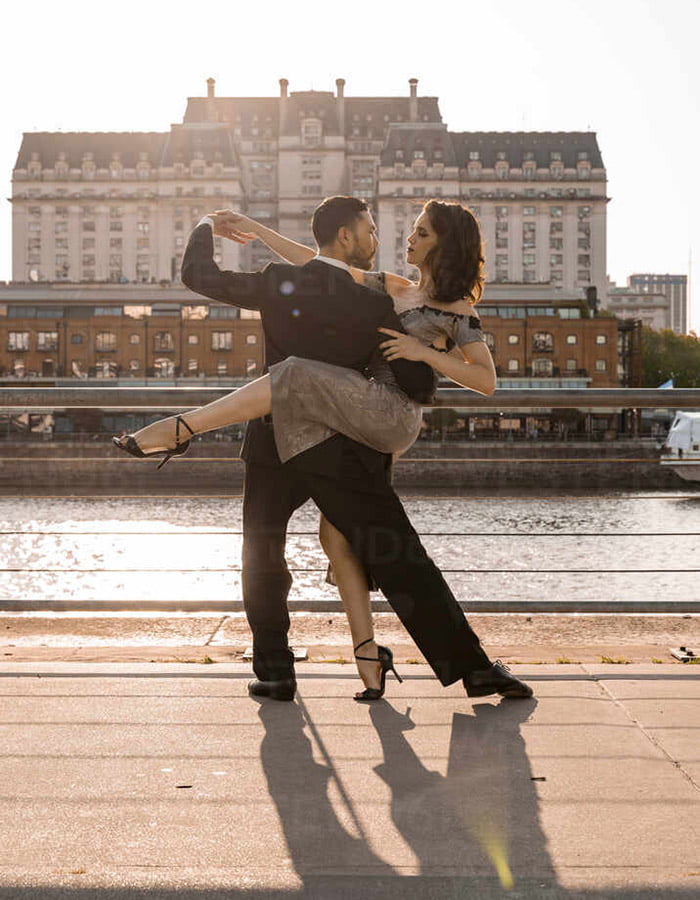
Nobody can agree on where the Tango actually started. Argentina makes the strongest claim, but you’ll hear arguments for Brazil, Spain, and Mexico too, and most historians trace the whole family tree back to a Spanish folk dance called the Milonga. What’s not disputed is when it hit American shores: sometime between 1910 and 1914, landing as an instant sensation thanks to its dramatic, deliberate style.
It’s considered an exhibition dance for good reason, since it tends to draw every eye in the room the moment it starts. You don’t need a partner lined up to begin learning it, though; sign up first, and bring someone, maybe a neighbor from Loudoun County Parkway, once you’ve built up the basics.
The Viennese Waltz
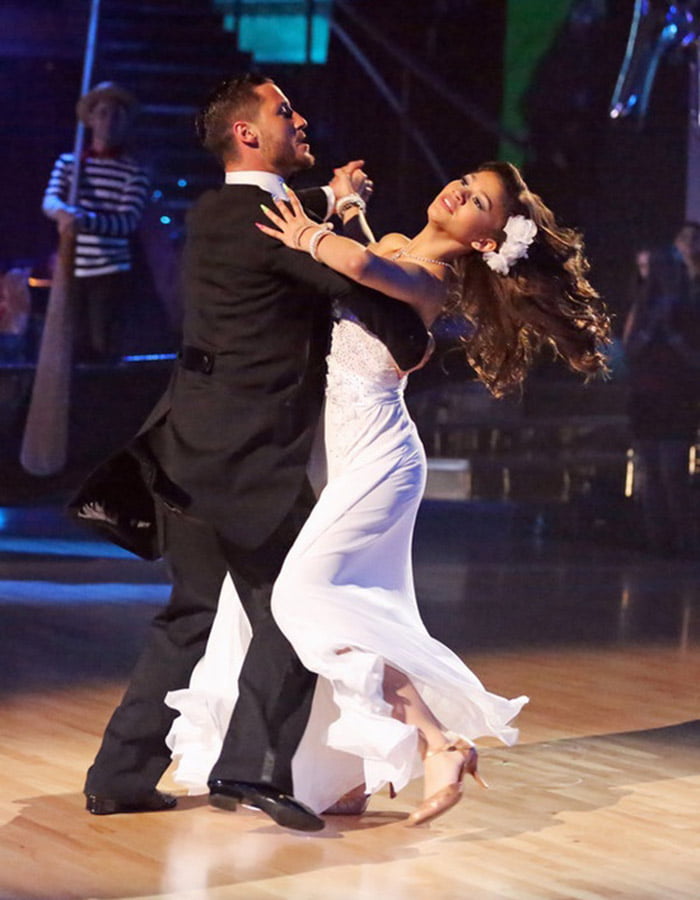
Vienna’s ballrooms gave the world a faster, more demanding cousin of the standard Waltz, one where the patterns stay traditional but the technique gets considerably harder once the tempo picks up. Despite the “classical” reputation, this version is actually a more modern development, closer to the original closed-couple style, and it’s typically set to some of the most recognizable orchestral pieces ever composed.
Watch a full floor of couples dancing it and the whole room seems to spin in unison, which is why it shows up far more often at formal balls and in classic film than at a casual Arcola get-together. Most students add it later, once they’ve built a real foundation through regular social dance lessons in Arcola.
The Bolero
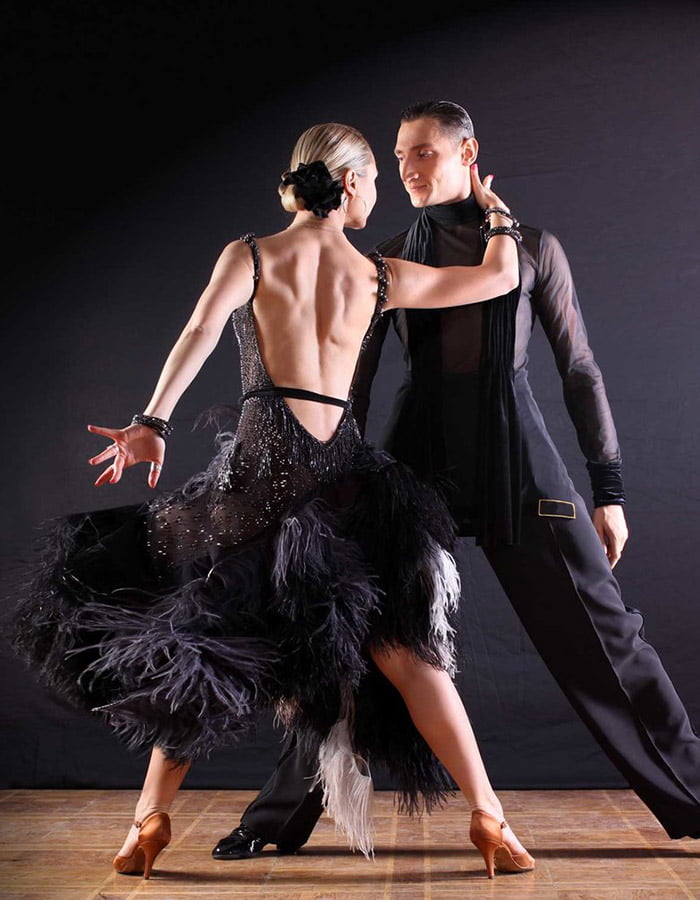
America met the Bolero in the mid-1930s, and it’s remained one of the most physically demanding Latin dances we teach ever since. The choreography leans on a matador motif: the lead channels the matador himself, while the follower alternates between playing the bull and the cape, all set against a signature rise and fall that originates in the body rather than the footwork.
It’s not a dance you’ll see much on a crowded social floor, since Rumba and Cha Cha tend to get more airtime there, but it remains a favorite in competitions and showcases. If you’ve worked through the basics and you’re searching for a social dance studio in Arcola that pushes further into technical Latin work, this is where that next chapter starts.