

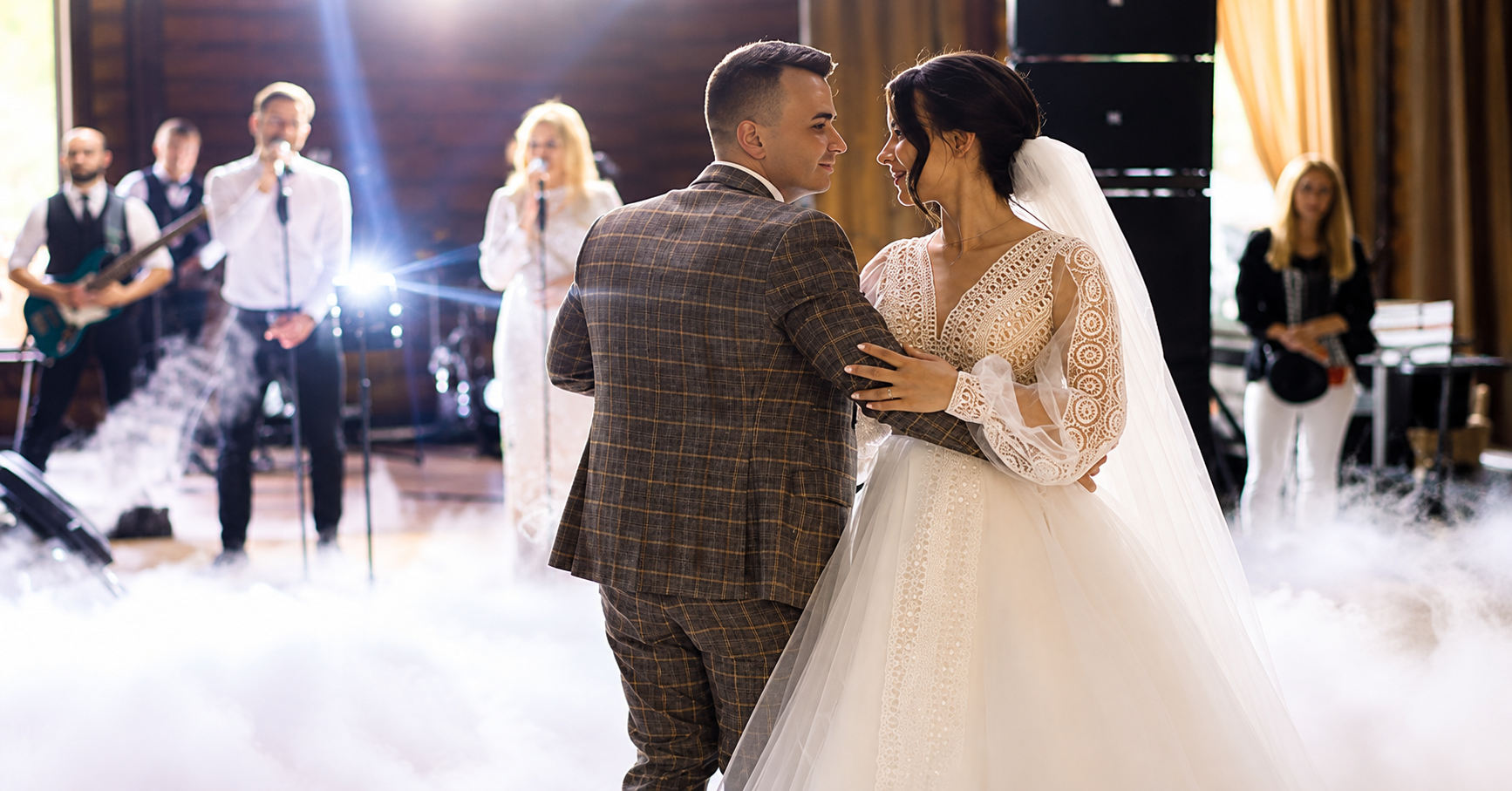
First Dance Choreography Ideas for Different Wedding Styles
Your first dance is one of the most personal moments of your wedding reception. It should reflect your relationship, song, venue, clothing, and overall wedding style. The routine does not need complicated lifts or advanced footwork. Couples looking for first dance choreography Reston options often want a routine that feels polished without looking overly rehearsed. At Ballroom Boutique, couples can learn choreography designed around their song, comfort level, experience, and wedding vision.
What Makes First Dance Choreography Feel Personal?
A strong first dance should look like it belongs to the couple performing it. Two couples can choose the same song and still need different routines because their confidence levels, clothing, and venues may differ.
Good wedding dance choreography considers song tempo, dance floor size, experience level, attire, footwear, and practice time. Simple turns and direction changes can look sophisticated with consistent timing and posture. When planning first wedding dance choreography Reston couples should focus on movements they can perform confidently. A short routine performed comfortably usually creates a stronger impression than a difficult routine that causes hesitation.
First Dance Ideas for a Classic and Elegant Wedding
Formal weddings pair naturally with smooth ballroom movement. Waltz, Foxtrot, and other flowing styles can complement traditional reception spaces. Consider graceful walking patterns, gentle rotations, underarm turns, and directional changes. A routine might begin with a simple entrance, include a few traveling turns, and finish with a controlled dip or elegant pose.
A wedding ballroom dance works best when the choreography follows the natural rhythm of the music. Practice changes in hand position and direction so the routine feels continuous. Upright posture and controlled steps can make basic choreography look refined.
First Dance Ideas for a Romantic Garden Wedding
Garden weddings often have a softer and less formal atmosphere. Choreography can reflect that setting through gentle side steps, relaxed turns, hand changes, and natural moments of connection. Small pauses, soft spins, and slow rotations can work especially well when they match meaningful lyrics. For outdoor first dance choreography Reston couples should consider the surface before choosing pivots or fast turns. Grass, stone, patios, and temporary flooring may be less stable than a studio floor, so compact movements are usually easier to control.
First Dance Ideas for a Rustic or Country Wedding
Rustic weddings give couples more freedom to make the first dance playful and informal. Barn venues and countryside receptions may suit Swing, Country Two-Step, or simple rhythmic partner movements. Underarm turns, easy spins, and directional changes can create energy without making the dance overly formal. Country and acoustic songs often have clear beats that help beginners stay on time. Natural interaction can be more effective than a tightly structured sequence. A playful turn can make the dance feel personal.
First Dance Ideas for a Modern or Minimalist Wedding
Modern weddings often emphasize clean design and intentional details. The choreography can follow the same principle. Choose fewer movements and perform them well. Smooth steps, controlled rotations, and well-timed pauses can create a polished appearance. Let a chorus, instrumental shift, or meaningful lyric signal a turn or featured moment. Couples considering first dance choreography Reston may find this approach especially helpful when one or both partners feel nervous about performing in front of guests.
First Dance Ideas for a Glamorous or Luxury Wedding
A large ballroom or luxury venue can support slightly more dramatic choreography. American Smooth-inspired movement, Waltz elements, and elegant traveling patterns can make good use of a spacious dance floor. Promenade movements, controlled spins, sweeping rotations, a carefully taught dip, or a strong finishing pose can add drama without excessive difficulty. Formal clothing should influence the choreography. A fitted gown may limit stride length, while a full skirt requires more room during turns. Long trains should usually be bustled before dancing, and jackets should allow comfortable arm movement.
First Dance Ideas for a Bohemian Wedding
Bohemian weddings often feel relaxed and personal. Gentle swaying, walking patterns, soft turns, and close partner positions work well with acoustic, indie, and folk-inspired songs. Holding a position or moving slowly together can create intimacy while keeping the routine relaxed.
First Dance Ideas for a Beach or Destination Wedding
Destination weddings require choreography that works with the environment. Sand, wind, uneven surfaces, and limited space can affect what is practical. Avoid fast pivots, large backward steps, jumps, and complicated lifts on unstable surfaces. Gentle rotations, side steps, sways, and compact turns are usually easier to manage. If you plan to dance barefoot or in flat shoes, practice under similar conditions. Couples preparing first dance choreography Reston before traveling can also learn a flexible version of the routine that can be adjusted after seeing the final dance area.
First Dance Ideas for a Fun and Non-Traditional Wedding
Not every first dance needs to be slow or traditional. Couples who want a playful reception can combine romantic and energetic sections. One option is to begin with a slow song and transition into Swing, Salsa, Cha Cha, or another upbeat style. Rehearse the transition so it feels intentional. You can finish by inviting the wedding party or guests onto the floor. Keep surprise routines manageable because confidence and timing usually create more impact than difficult choreography.
Should You Choreograph the Entire Wedding Song?
No. A first dance does not need to last for the full length of a three or four minute song. Many couples prefer approximately 60 to 90 seconds of planned choreography. A shorter routine can be easier to remember and more comfortable to perform. You can shorten the song, use a custom edit, choreograph only the first section, fade out after a finishing pose, or invite guests onto the dance floor after your featured moment.
How to Choose the Right Dance Style for Your Wedding Song
The rhythm of the song should help determine the dance style. Waltz works with music in three-quarter timing, while Foxtrot can suit smooth mid-tempo songs. Rumba-inspired movement may fit slower romantic tracks, and Swing can work with upbeat music. Salsa or Cha Cha may suit energetic Latin songs. Not every wedding song fits neatly into one ballroom category. Personalized choreography can combine simple movements that match the music. During first dance lessons Herndon couples can also get help identifying the rhythm and selecting movements that feel comfortable with their chosen song.
How Wedding Attire Should Influence Your Choreography
Wedding clothing can change balance, stride length, and movement, so choreography should account for it before the wedding day.
Wedding Dresses
Dress length, skirt volume, fitted silhouettes, and trains can affect turns and traveling steps. If the gown will be bustled for the reception, rehearse with a similar setup.
Wedding Shoes
Practice in shoes with a similar heel height and sole to your wedding footwear. If your formal shoes are unstable, consider changing into a secure dance-friendly pair.
Suits and Formalwear
Jackets and fitted clothing should allow comfortable arm and shoulder movement. Test turns and broader arm positions in advance.
How Far in Advance Should You Start First Dance Lessons?
Starting several weeks or months before the wedding gives you time to learn gradually instead of relying on rushed rehearsals. The right timeline depends on experience, song length, choreography complexity, lesson frequency, and practice time. Routines with multiple transitions or dramatic moments generally need more rehearsal.
When learning first dance choreography Reston, shorter practice sessions several times a week can be more effective than one long session. Repetition helps movements become familiar enough that you can focus on your partner rather than counting every step.
Why Personalized Wedding Dance Coaching Can Help
Professional coaching can help couples learn efficiently by adjusting movements that feel awkward or uncomfortable. An instructor can work on timing, posture, partner connection, turns, floor positioning, entrances, endings, and safe dips. Couples near Reston and Herndon can work with Ballroom Boutique to develop choreography based on their song, ability, venue, attire, and preferred level of complexity. Personalized instruction is especially helpful when partners learn at different speeds because the routine can be adapted for both people.
Practical Tips for Making Your First Dance Feel Natural
Practice the full sequence regularly, including the entrance and final pose. Look at your partner instead of constantly watching your feet. If a mistake happens, continue moving rather than stopping to restart. Create one or two simple recovery movements, such as a basic sway or walking pattern, that allow you to regain your place if either partner forgets a step. For Reston couples preparing a first dance, practice in an area similar in size to the reception floor. This helps you understand how much room turns and traveling steps require. Most importantly, prioritize connection and confidence over technical perfection.
Create a First Dance That Fits Your Wedding
The right first dance should match the rest of your wedding. Formal celebrations may suit elegant Waltz-inspired movement, rustic weddings can support playful turns, and beach weddings benefit from compact choreography.
Choose a routine that fits your music, venue, clothing, experience, and personalities. Keep it achievable enough that you can enjoy the moment rather than worry about the next step. If you are planning first dance choreography Reston, Ballroom Boutique can help you turn your chosen song into a routine that feels personal, comfortable, and polished. Plan your first dance and prepare for a wedding moment that feels genuinely yours.
Ready to Create Your Perfect First Dance?
Start planning a first dance that reflects your relationship and feels natural on the wedding day. Contact Ballroom Boutique today to discuss your song, goals, and choreography, and take the first step toward a confident and memorable first dance.
FAQs
Do we need dance experience to learn a choreographed first dance?
No, beginners can learn a polished routine using simple movements that match their comfort level. Good timing, posture, and transitions can make basic choreography look elegant.
How long should a wedding first dance be?
Many couples choose approximately 60 to 90 seconds of featured dancing. There is no fixed rule, but shorter routines are often easier to remember.
What is the easiest dance style for a wedding first dance?
The easiest style depends on the song and couple. Slow dancing, Rumba-inspired movement, Foxtrot, and simple Waltz patterns can all work well when the music supports them.
Can choreography be created for any wedding song?
Most songs can be adapted. The tempo, rhythm, and musical structure determine which movements will feel most natural.
How many wedding dance lessons do we need?
The number depends on your experience, routine complexity, practice schedule, and confidence. Simple routines generally require less preparation than choreography with multiple turns.
Should we practice in our wedding shoes?
Yes, practicing in shoes with a similar heel height and sole helps you adjust your balance, turning, and step size.
Can beginners include a dip?
Yes, if the dip is appropriate for both partners and taught safely. Clothing, balance, physical comfort, and floor conditions should be considered.
What if one of us is nervous about dancing?
Keep the choreography simple and practice consistently. A few dependable movements performed confidently usually look better than a complicated routine that is difficult to remember.