
SOCIAL DANCE
A postal clerk is the real reason this town has the name it does. Founded in 1706 as Marlborough Town, honoring the Duke of Marlborough, then replatted in 1744 as Upper Marlborough, the place carried that full spelling for well over a century until some unnamed clerk in the late 1800s decided the final three letters, “ugh,” simply didn’t fit cleanly on a rubber stamp. By 1893, postal guides were calling it Upper Marlboro, and even a 1968 ballot to restore the old spelling couldn’t undo it. The Prince George’s County Courthouse has anchored the town since 1721, rebuilt and expanded across three centuries, most recently in 1991, and it’s shared Main Street with a horse racing tradition that ran from the mid-1700s all the way until 1972. Social dance lessons in Upper Marlboro fit into a town that’s spent 300-plus years quietly adapting without losing its identity. Social dancing works the same way, taking the same core dances used in exhibition ballroom, Foxtrot, Tango, Swing, Cha-Cha, and adapting them for real gatherings rather than a scored performance.
Our studio is in Herndon, Virginia, roughly 35 to 40 miles west across the Beltway, a real but manageable drive depending on which side of rush hour you’re on. Social dancing classes in Upper Marlboro exist here because Ballroom Boutique Dance Studio has taught to one consistent priority for years: a partner who can hold a conversation matters more than a technically perfect frame, and that priority doesn’t change based on how far someone’s driving to reach it. Students who’ve made social dance lessons in Upper Marlboro a genuine habit tend to time their visits around the Beltway’s quieter hours rather than fighting peak traffic both ways.
Nobody shows up already able to talk comfortably while dancing. It’s a skill that develops over a handful of classes, and students working through our social dance lessons in Upper Marlboro usually find they can describe a walk past the old courthouse without ever losing count of the Waltz.
Benefits of the Dance
Burn Fat & Lose Weight
Nobody signs up expecting a cardio workout, but that’s essentially what an hour of ballroom dance delivers, real calorie burn without the joint impact a run would cause.
Increase Flexibility
The body doesn’t arrive flexible, it becomes that way gradually, through repeated exposure to movement it hasn’t tried before, until a turn that once felt stiff starts to land clean.
Increase Strength & Endurance
Every pattern quietly doubles as resistance training, since your legs and core spend the whole class working against your own body weight.
Great For All Ages
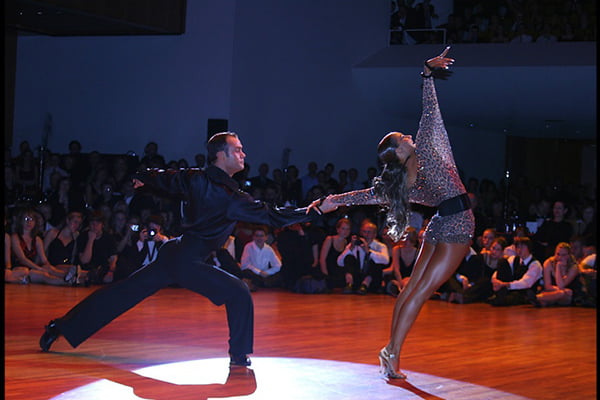
A student in their twenties and a longtime Upper Marlboro resident well into retirement have shared the same beginner class here, improving at close to the same rate regardless of the gap in age.
Physical Health
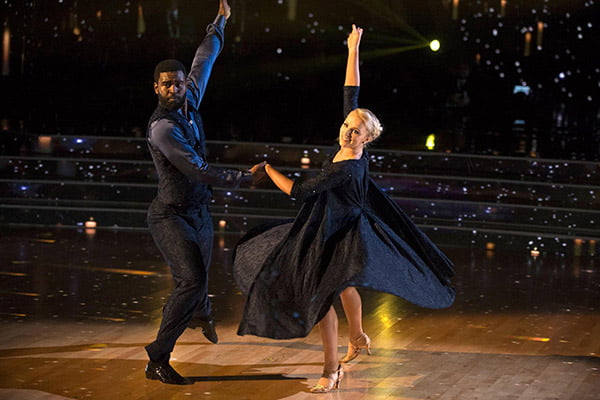
Lower blood pressure, better cholesterol, stronger bones, reduced Type II diabetes risk, dance checks the medical boxes without ever feeling like a prescription.
Mental Health
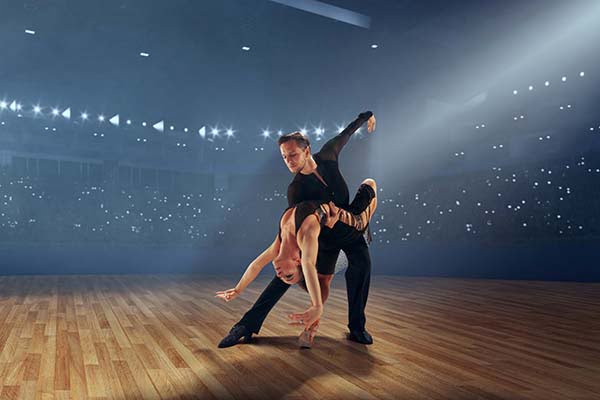
An hour with your phone put away and full attention on movement is a genuine reset, especially worthwhile for anyone who just spent time navigating Beltway traffic to get here, which is part of why beginner social dance lessons in Upper Marlboro draw such real interest from first-time students.
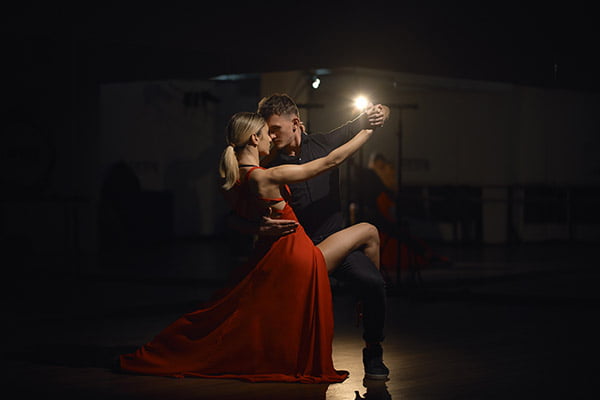
Confidence
Something shifts the first time you lead or follow a turn in front of strangers, and students in our social dance lessons in Upper Marlboro program describe that shift showing up later in everyday conversations and meetings.
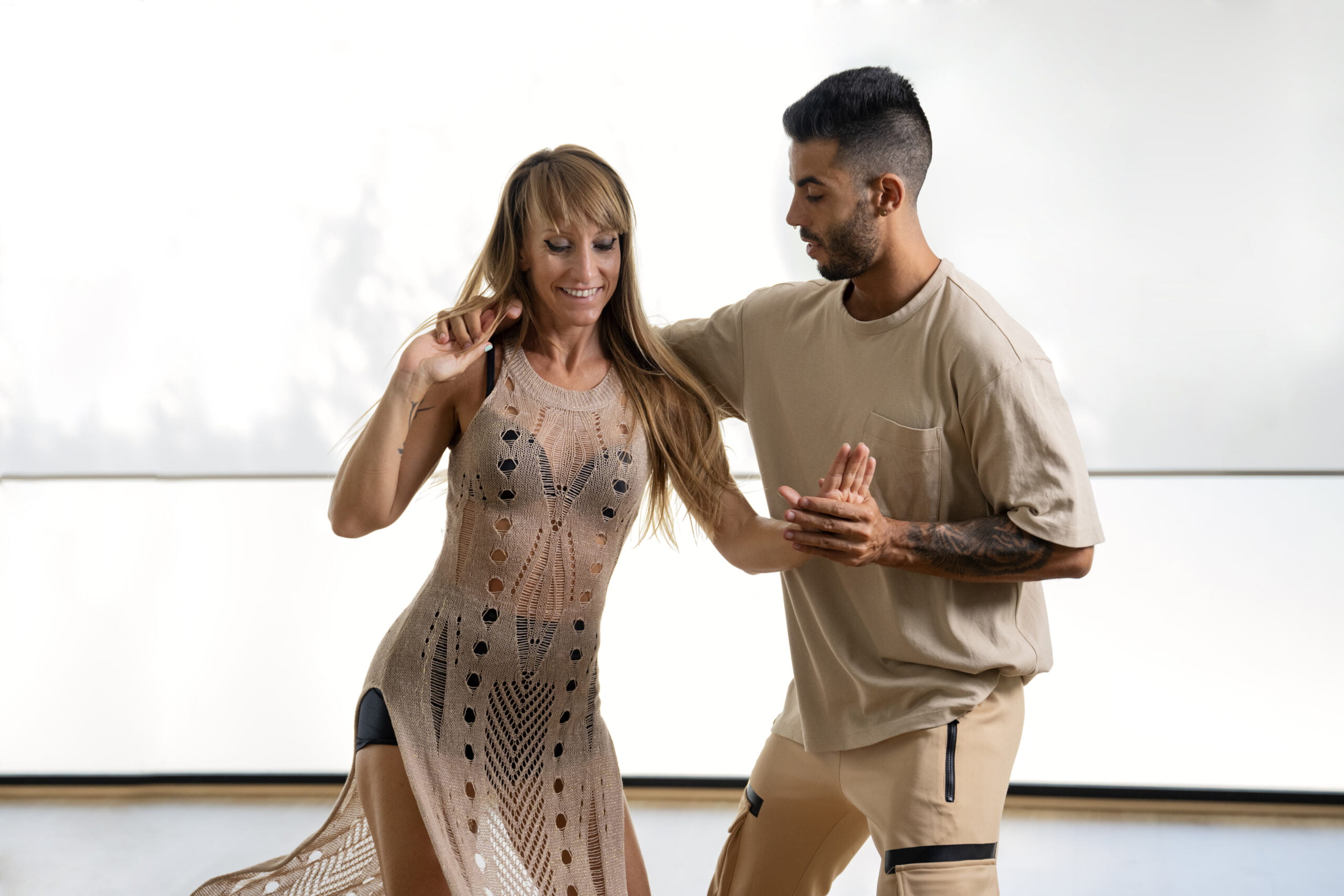
Self-Expression & Creativity
Choreography starts as instruction, but the moment it stops requiring conscious thought, personal style fills in the rest, and class stops feeling like a lesson.
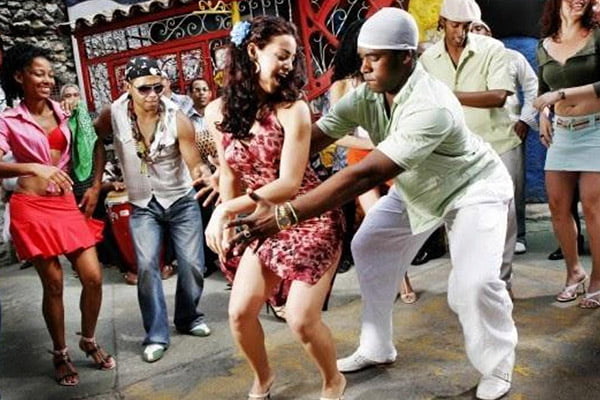
Social fun & Friendship
In a town with a population under a thousand, dance class still manages to introduce students to neighbors they’d otherwise never cross paths with, whether they’re driving in from Bowie or Largo.
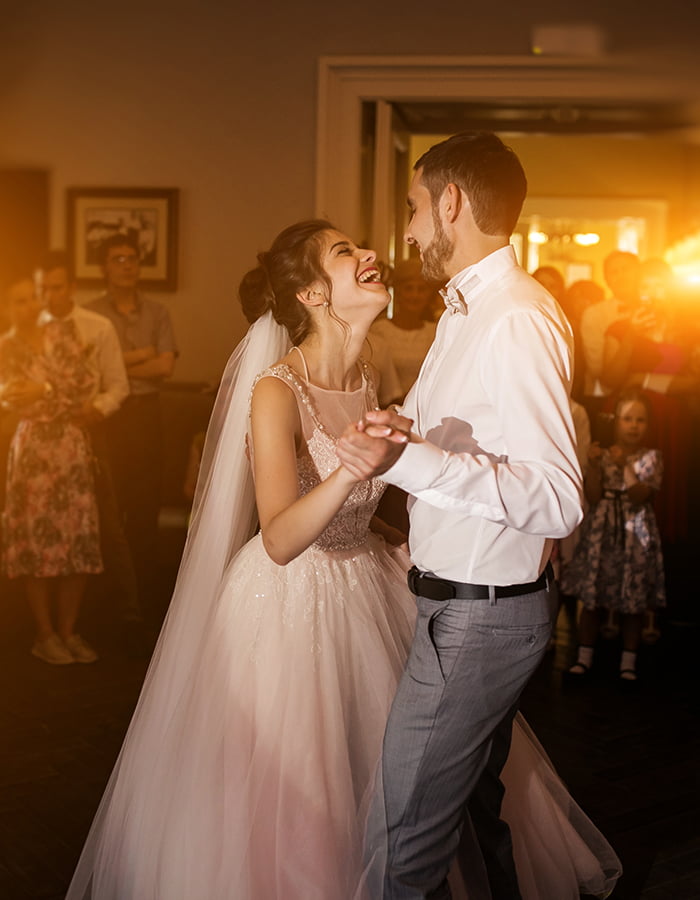
Wedding Dance
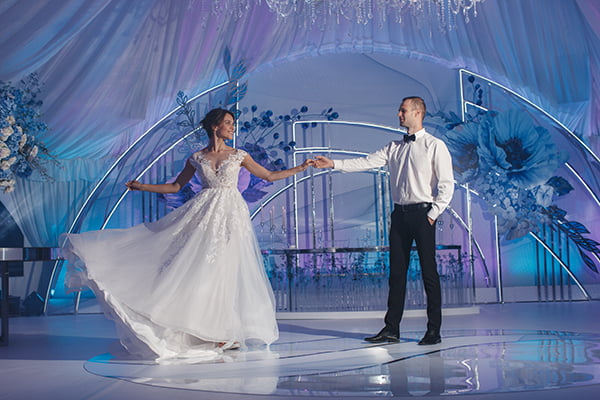
Get ready for the dance of your life. Our wedding dance programs help you build a first dance you’ll both remember, starting from the moment you say “I do.” From a simple, elegant routine to a full performance for the wedding party, we help make your day even more special. Upper Marlboro couples often celebrate at a venue near the historic district or drive toward Bowie for a larger space, and our instructors coordinate scheduling around the distance involved so preparation still fits comfortably before the big day.
Our instructors know how to put nervous couples at ease and turn a first dance into a moment filled with joy rather than anxiety. Whether you want to Waltz, Swing, Cha Cha, Foxtrot, or Quickstep, we help ensure you and your partner are ready to dance in front of family and friends on your wedding day.
The Waltz
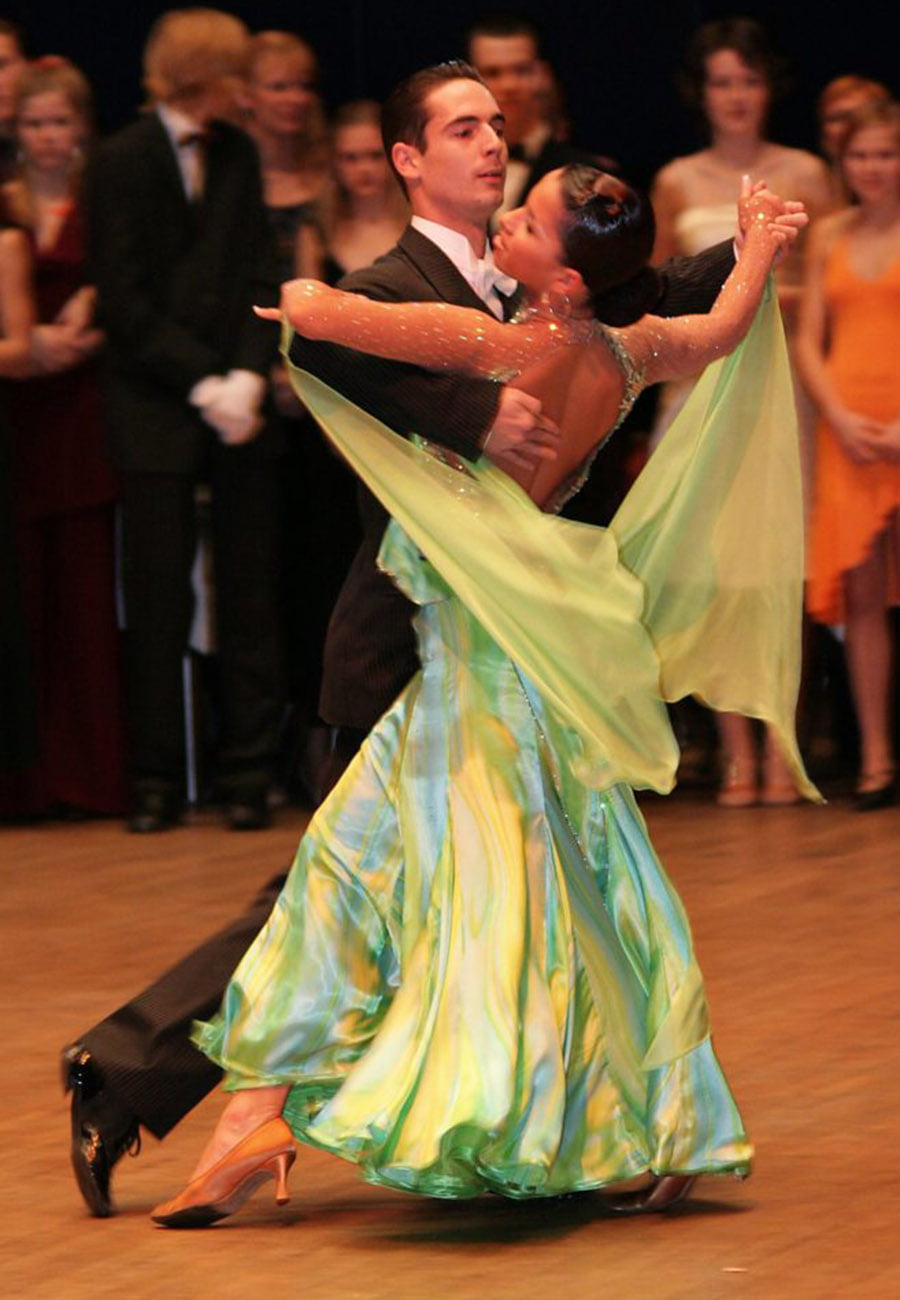
A courthouse that’s been rebuilt in 1801, 1881, 1895, 1940, and again in 1991 still manages to feel like the same institution every time, and there’s a version of that same continuity built into the Waltz. It comes from the Ländler, an 18th century German folk dance, structured around a step, slide, and step pattern in 3/4 time, its close, turning embrace once scandalous before becoming the standard for anything formal.
Learn the Waltz thoroughly and its lessons carry into everything else: sway, rise and fall, balance, control. That’s why beginner social dance lessons in Upper Marlboro so often open here.
THE CHA CHA
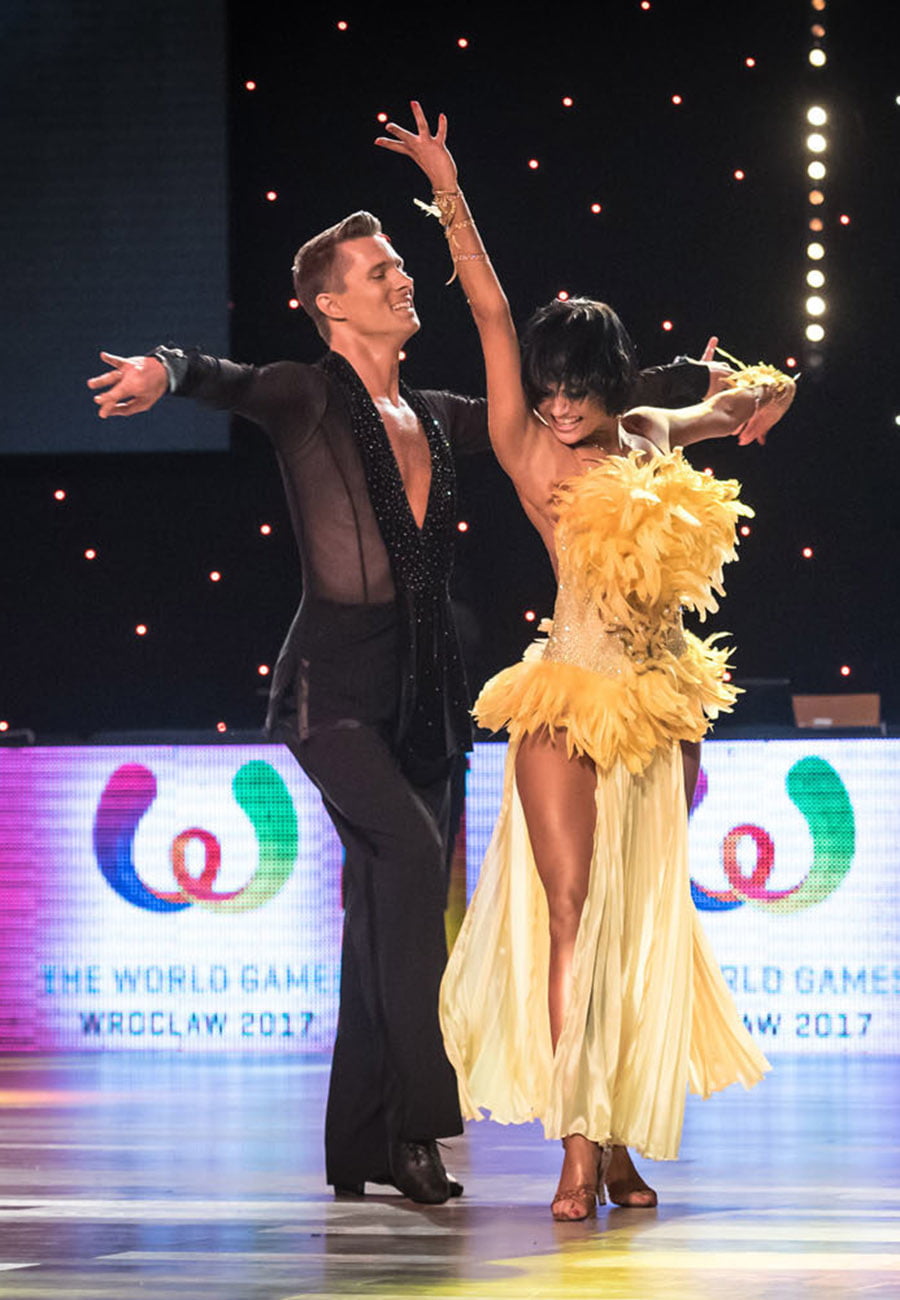
Most people guess wrong about where the Cha Cha comes from, assuming South or Central America when the real answer is the United States. It’s a genuinely American invention, built when Mambo bands slowed their tempo in the early 1950s and dancers filled the resulting gap with a triple step between the Mambo’s forward and back rocking motion.
That American origin hasn’t stopped it from becoming the standard opening dance for competitive Latin and Rhythm dancers, drawing students who make the trip in specifically for its sharp, staccato energy.
The Foxtrot
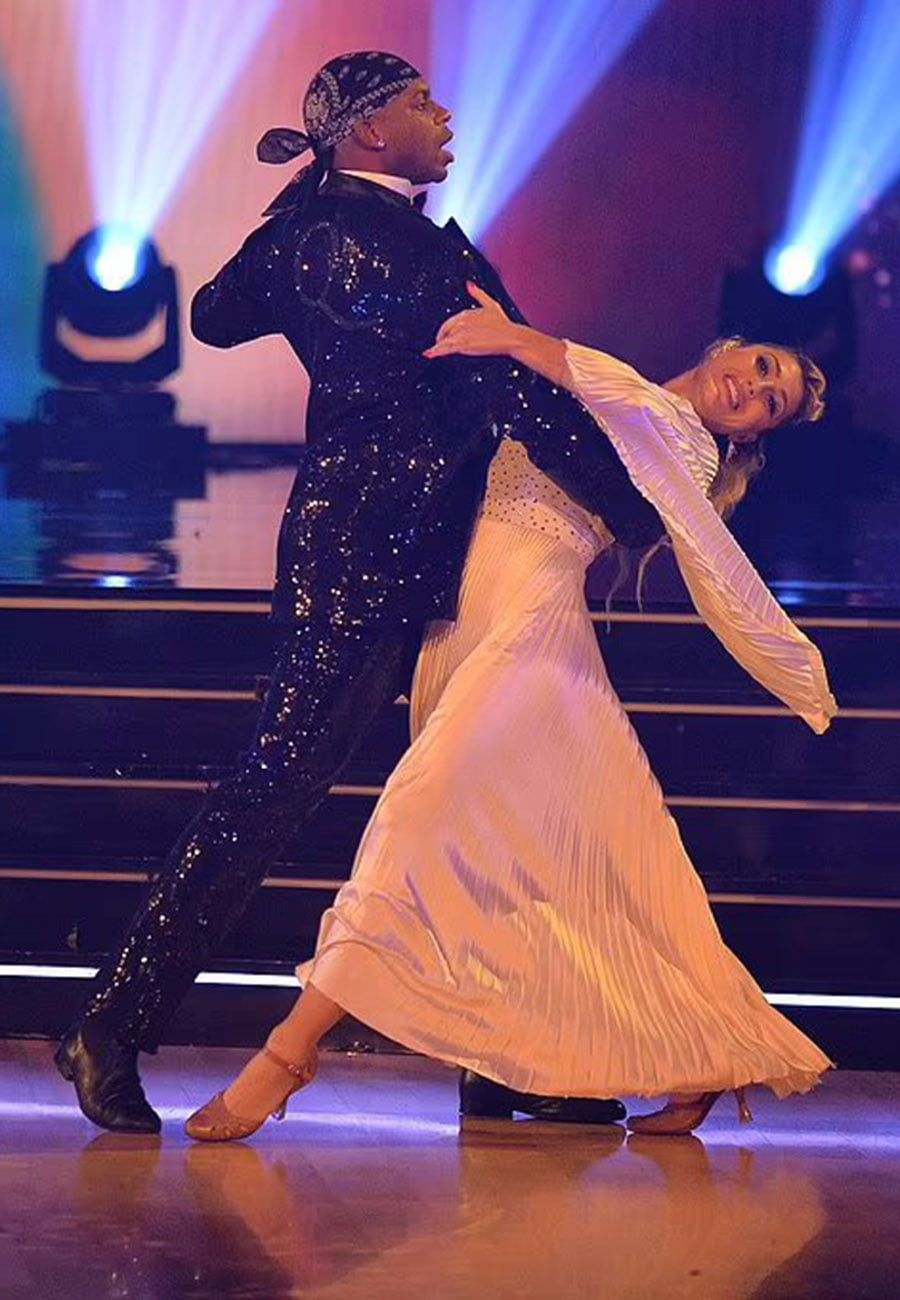
Set the Foxtrot next to the Waltz and the family resemblance is obvious at a glance, long, flowing movement across the floor, though the resemblance ends the moment the music starts. It runs in 4/4 time rather than 3/4, built around a “Magic Step,” two forward, one to the side, that traces a knight’s move on a chessboard. Most students find it the easiest pattern to genuinely absorb.
That accessibility explains why it’s worked for over a century, equally comfortable at a casual gathering or a formal one, and it teaches the actual skill behind our social dance lessons in Upper Marlboro: staying relaxed enough to talk while you move.
The Hustle
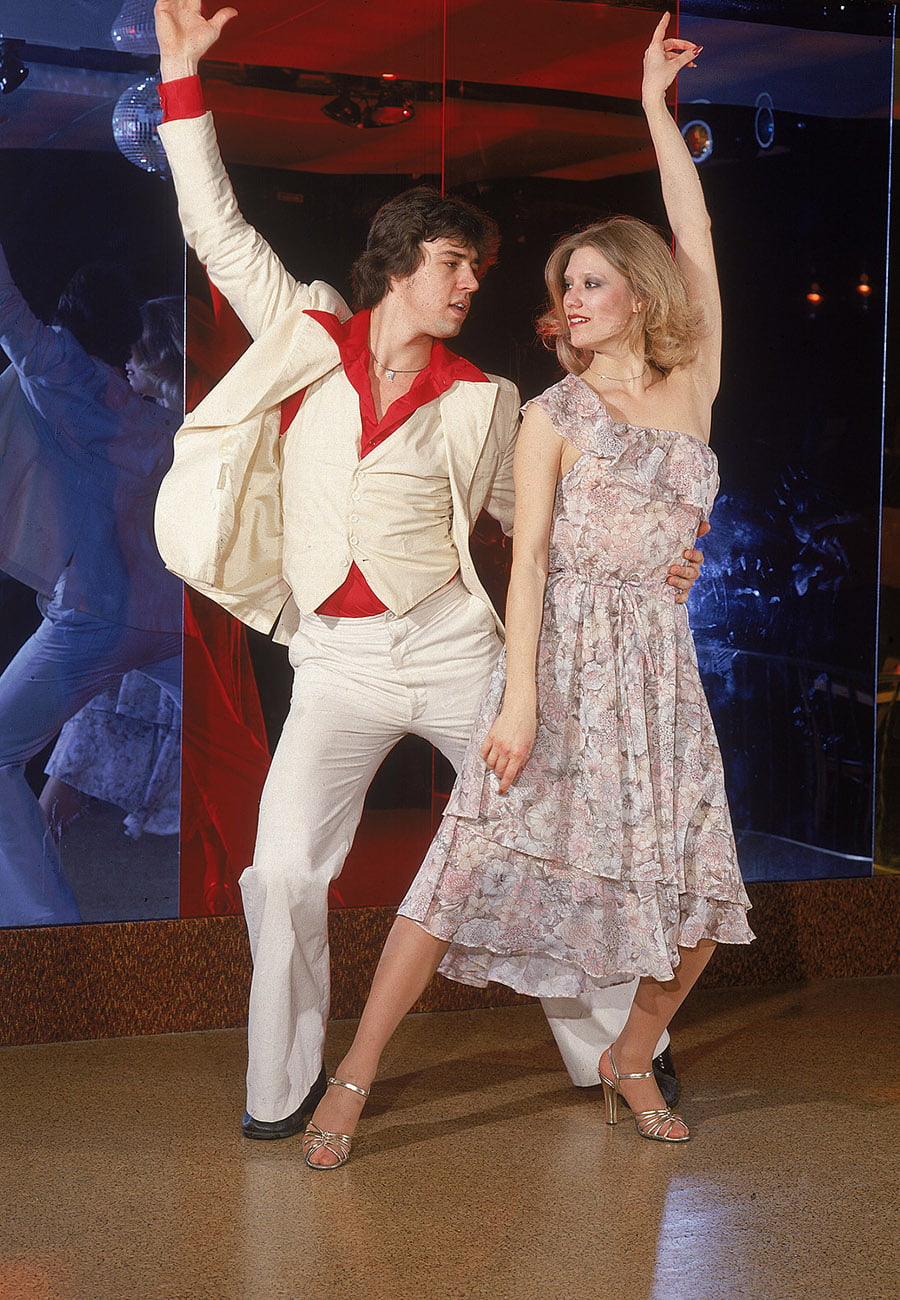
Most people assume the New York Hustle has always been called that, which makes it a genuine surprise to learn its original name was the Latin Hustle. Credit for shaping the modern partnered version goes to the New York dancers who refined it in the 1970s, borrowing Mambo footwork, Salsa turns, and Swing energy, all riding a bassline built for spins and wraps.
It’s a favorite among students planning a weekend trip closer to the Beltway, exactly the kind of tight, energetic room the Hustle was built for.
The Merengue
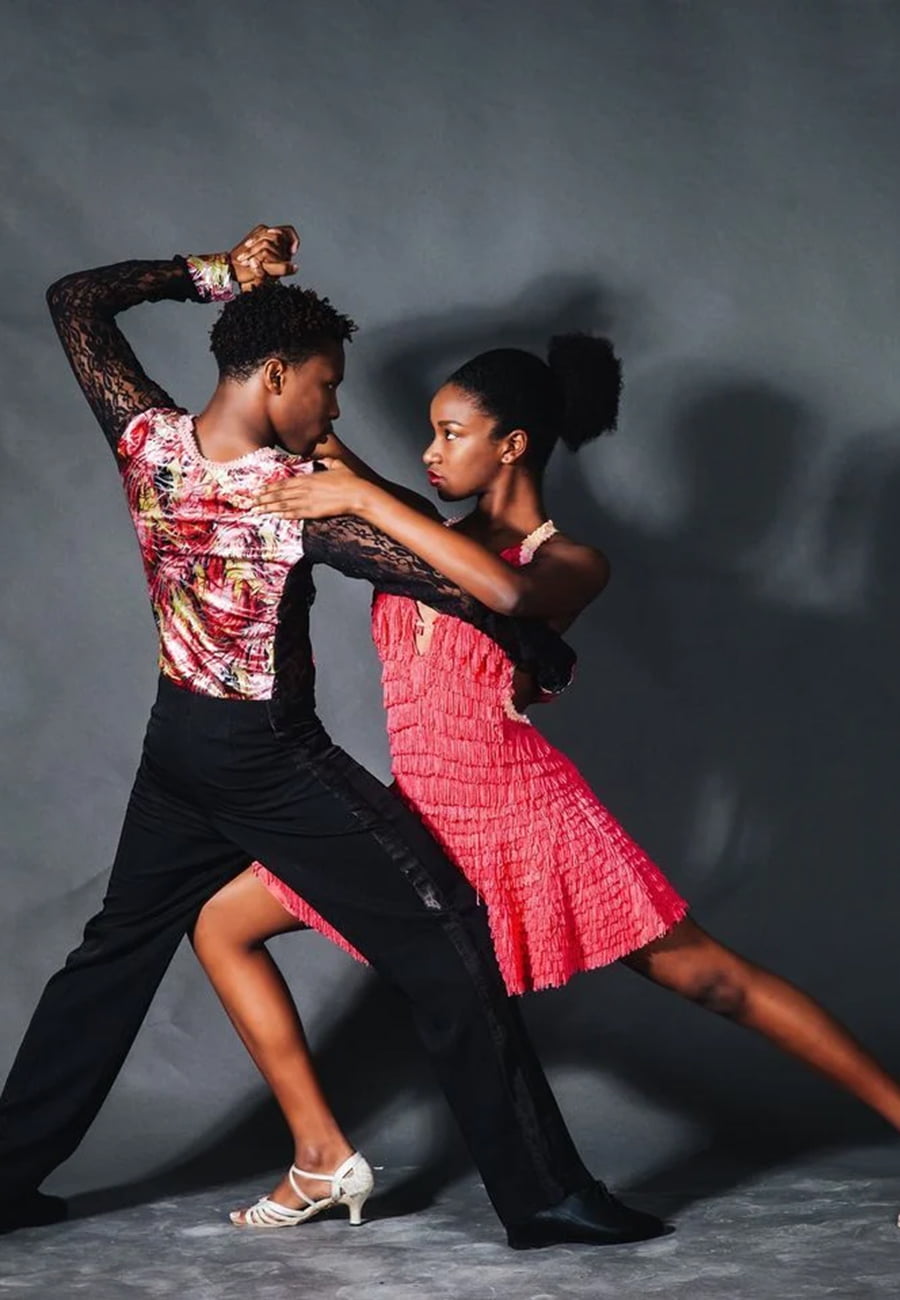
Zero rhythm, zero prior experience, the Merengue absorbs both without difficulty. It’s a walking or marching step, an eight-count rhythm layered with Cuban Motion, danced almost entirely in place, which leaves very little room for anything to feel wrong on the first attempt.
Its roots run through both West African and Spanish tradition, and it holds a rare distinction today, national dance of two countries at once, the Dominican Republic and Haiti, each calling it the “singing dance.” Most first-time Upper Marlboro students learn this one before anything else.
Sign Up For a Lesson Today
We look forward to having you in our dance studio. If the drive is the thing holding you back, tell us, we can often work around it, reserve your spot in our social dance lessons in Upper Marlboro schedule today.
THE QUICKSTEP
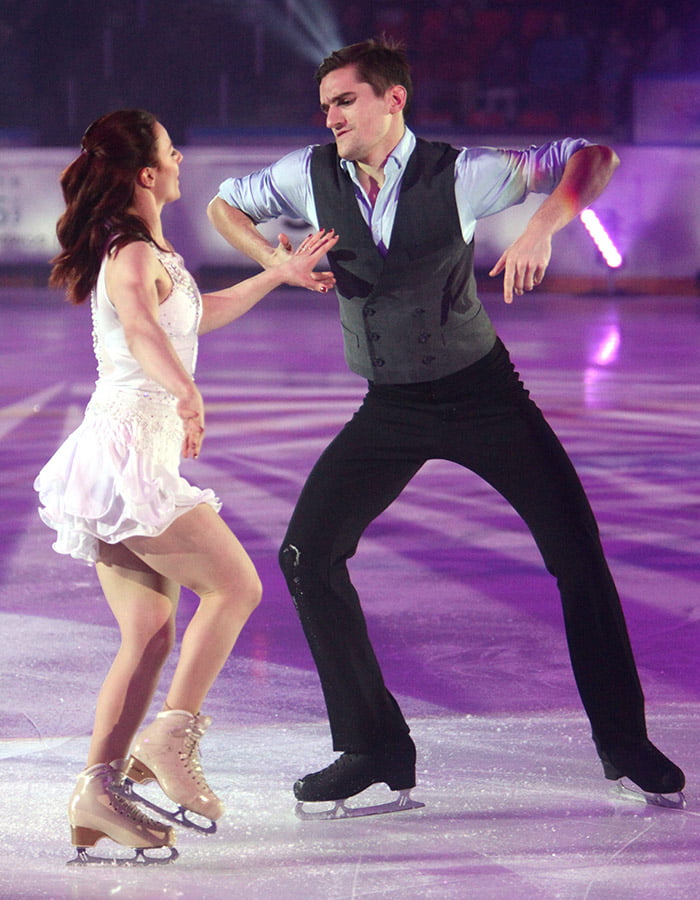
Slow and deliberate describes most of ballroom dance’s reputation, right up until Quickstep breaks it entirely. English dancers built it in the 1920s by fusing the Charleston with the Foxtrot, producing something fast enough to visibly change a competition room’s energy the moment it starts.
Speed comes last in the actual teaching, though. Footwork settles in first, and tempo only follows once the pattern is genuinely clean.
THE RUMBA
The Bolero-Son, a Cuban rhythm, sits underneath everything the Rumba does today, having crossed into the United States in the early 1930s and never really lost ground since. Smooth hip motion, a deliberate walking step, and a slower tempo built to develop Cuban Motion, the technical foundation underneath most Latin dance, define it.
What surprises students most is how far the benefit travels beyond the Rumba itself. Master it, and the Waltz, Cha Cha, and Salsa all tend to improve almost simultaneously, which is why it anchors our social dance lessons in Upper Marlboro curriculum.
The Salsa
Turns that never stop, arm patterns that keep building, real intensity from the first note, that’s Salsa’s identity in three phrases. It descends from Cuban Son and Rumba, broke out through 1970s New York City studios, and has since split into distinct regional styles: Colombian, Cuban, Los Angeles, New York, Palladium, Puerto Rican, Rueda, On Clave.
Small and packed is exactly where it thrives, which makes it a natural fit for a busy weekend night near Bowie.
The Swing
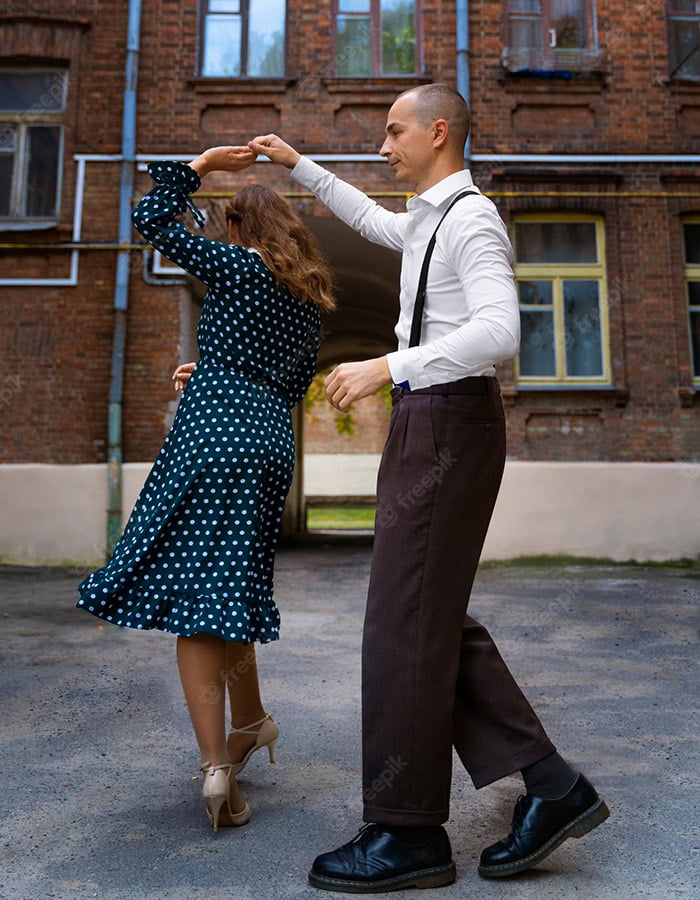
Names have piled up around this dance over the decades, Jitterbug, Boogie, Lindy, though East Coast instructors mostly just settle on Swing. It grew directly from the Lindy Hop, with the Charleston, Black Bottom, and Shag consolidating into one recognizable style by the early 1940s.
Its buoyant energy hasn’t dulled a bit since, still the dance that pulls an entire room to its feet, a natural fit for a summer gathering near the historic district. Flips, lifts, spins, Swing is built to be watched as much as danced.
The Tango
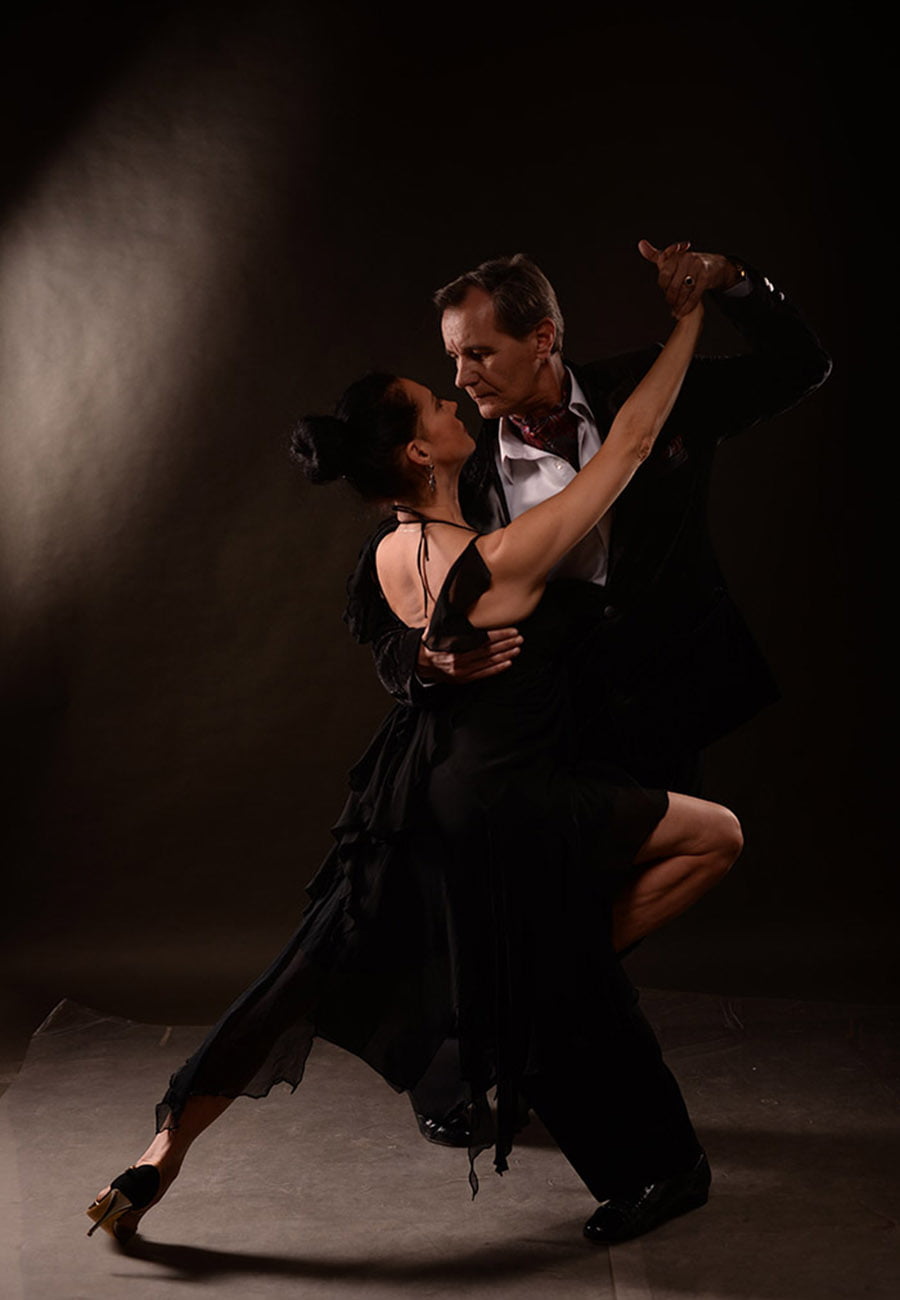
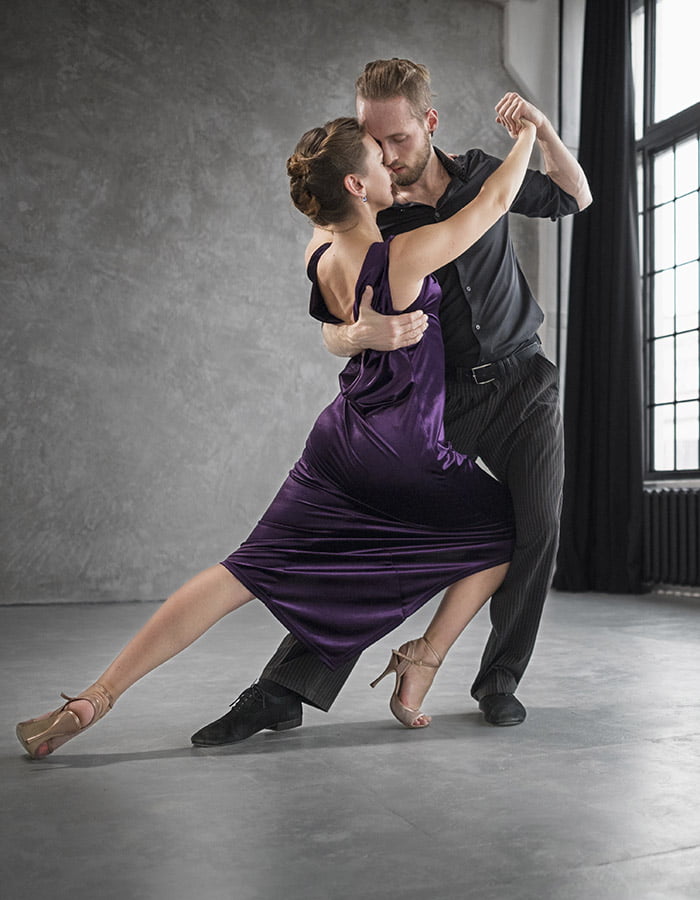
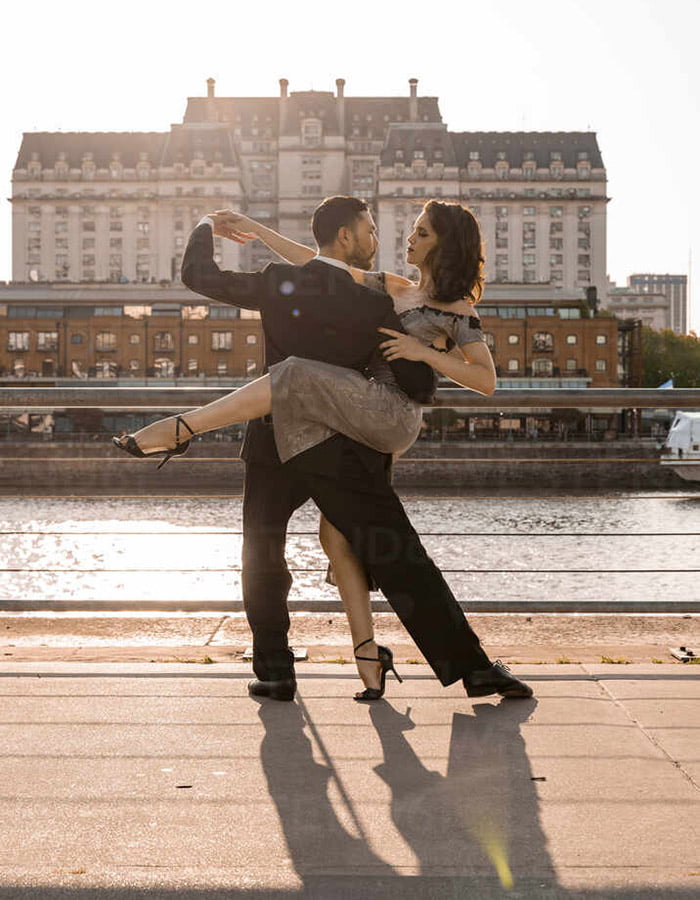
Nobody has ever fully settled where the Tango began, Argentina holds the strongest claim, though Brazil, Spain, and Mexico all get mentioned, with most historians tracing the root back to a Spanish folk dance called the Milonga. It reached American shores sometime between 1910 and 1914, an instant sensation for its dramatic, deliberate style.
Every eye in the room turns toward a Tango the second it starts, which is exactly why it’s classified as an exhibition dance. A partner isn’t required to begin learning it, sign up on your own, and bring someone once you’re ready.
The Viennese Waltz
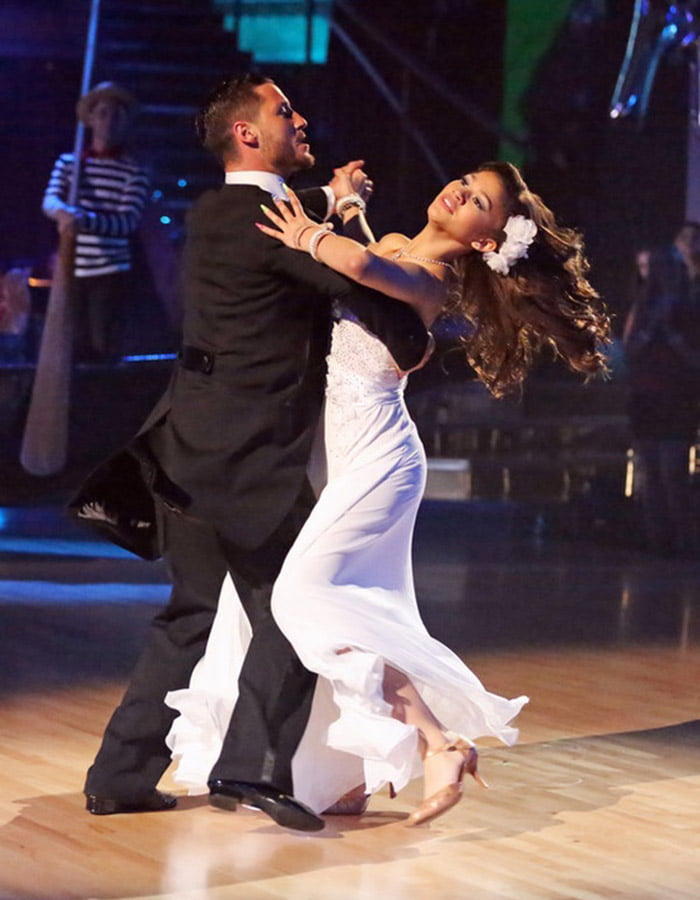
Set to some of the most recognizable orchestral music ever written, the Viennese Waltz demands more precision from a dancer than the standard Waltz, especially at speed, despite being, technically, a newer variation than its old-world reputation suggests.
A full floor of Viennese Waltzers looks closer to flight than dancing, an effect that belongs to formal balls and classic film far more than a casual evening in Upper Marlboro. Most students only add it once they’ve built real confidence through regular social dance lessons in Upper Marlboro.
The Bolero
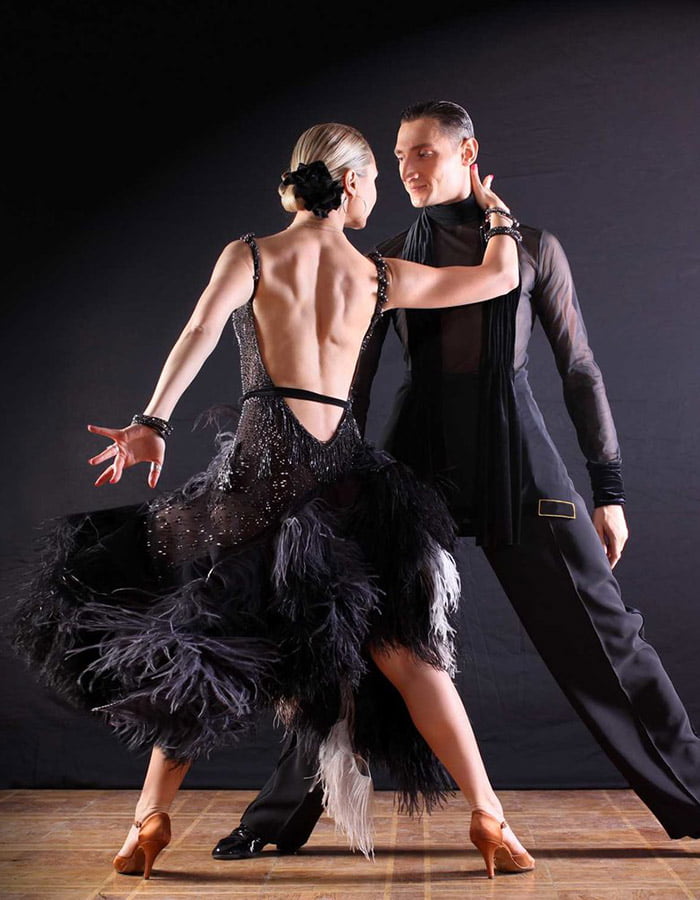
Bullfighting supplies the entire idea behind the Bolero’s choreography: the lead becomes the matador, the follower alternates between playing the bull and the cape, and the whole routine runs on a rise and fall generated by the body, not the feet. It reached American audiences in the mid-1930s and has stayed one of the most physically demanding Latin dances taught since.
You’ll see it far less on a crowded social floor than Rumba or Cha Cha, but competitions and showcases still lean on it heavily. If you’re after a social dance studio in Upper Marlboro that pushes past the basics into real Latin technique, this is where that continues, distance included.