
SOCIAL DANCE
Fifty years running now, the Flying Circus Aerodrome off Ritchie Road puts on a barnstorming air show every Sunday from May through October. Vintage biplanes, wing walkers, the whole show. It’s one of the last places in America still doing it this way, and it says something about Bealeton: this is a town that shows up for tradition. Social dance lessons in Bealeton work the same territory. Foxtrot, Tango, Swing, Cha-Cha, the same dances used in competition, minus the judges, minus the scoring, built instead for a room where you actually know the people you’re dancing with.
Here’s the honest pitch. Nobody in a social dance class cares about your frame. They care whether you can hold a beat and finish a sentence at the same time. Ballroom Boutique Dance Studio teaches to that standard for Northern Virginia dancers generally, and a steady handful of students drive up Route 17 from Bealeton and the Fauquier County farmland around it every week to make class. If you’re near the US 17 and 29 intersection, or further out toward Remington, this is where our social dance lessons in Bealeton students end up: not preparing for a stage, preparing for whatever’s actually on the calendar.
Talking and dancing at the same time is a skill, not a gift. Give it four or five classes. By then, our social dance lessons in Bealeton have most students telling a full story about last Sunday’s air show without losing count in the Waltz.
Benefits of the Dance
Burn Fat & Lose Weight
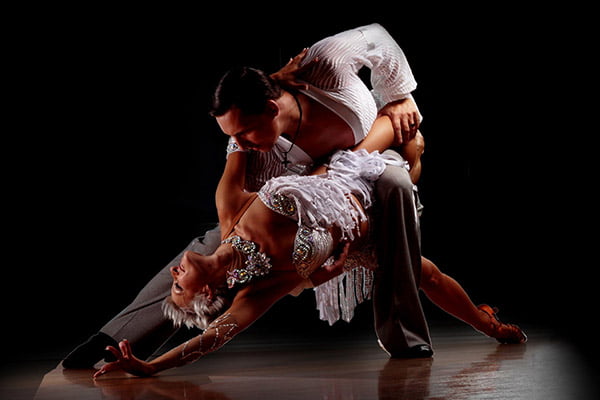
Low-impact doesn’t mean low-effort. An hour of dancing burns real calories, keeps your metabolism running afterward, and skips the joint strain a jog puts on your knees.
Increase Flexibility
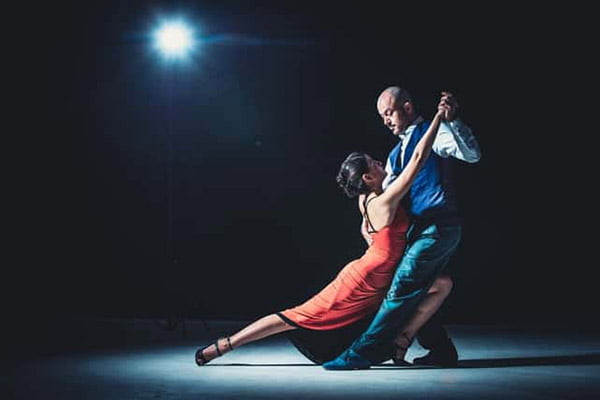
Ask a six-week student to touch their toes compared to their first day. The difference is real. Hips, ankles, shoulders, they all loosen with repetition, and that flexibility is what eventually makes a spin look easy.
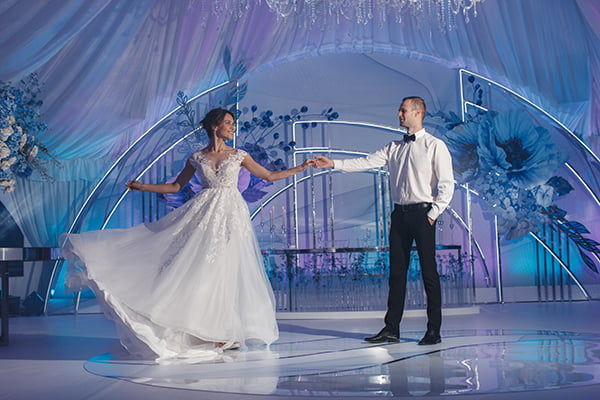
Increase Strength & Endurance
Nobody signs up for dance thinking “strength training,” but that’s what it is. Your legs and core resist your own body weight the entire class. Students notice it climbing stairs before they notice it on the dance floor.
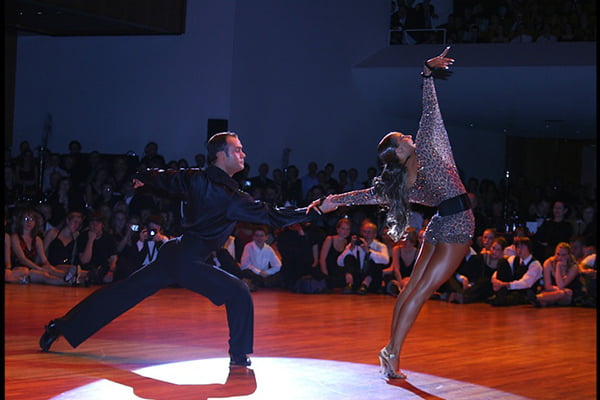
Great For All Ages
A ten-year-old and a seventy-year-old can be in the same Merengue class and both walk out having improved. We’ve watched it happen more than once around here. Age isn’t the variable. Showing up is.
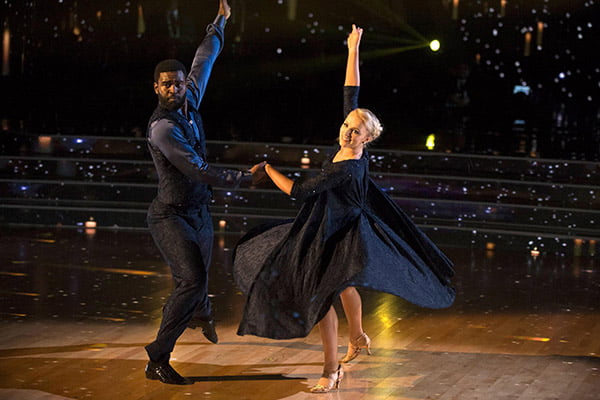
Physical Health
Blood pressure, cholesterol, bone density, diabetes risk, dance moves the needle on all of it. Nobody clocks in thinking about their numbers, though. They’re there because it’s fun, and the health part just happens.
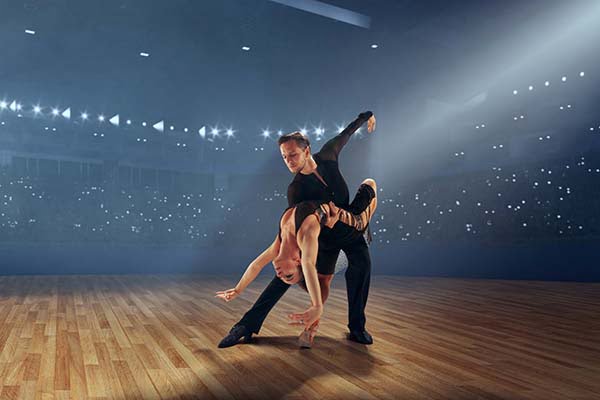
Mental Health
Rural life has its own version of stress, and an hour where your phone stays in the truck helps regardless of what’s causing it. That mental reset is a real reason beginner social dance lessons in Bealeton fill up fastest right after harvest season or a rough stretch of work.
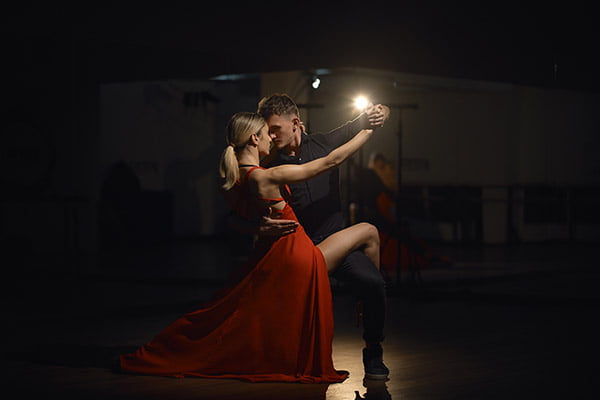
Confidence
Lead a turn in front of strangers a few times and something shifts. Students in our social dance lessons in Bealeton program have said the same thing more than once: it gets easier to speak up everywhere else too, not just on the floor.
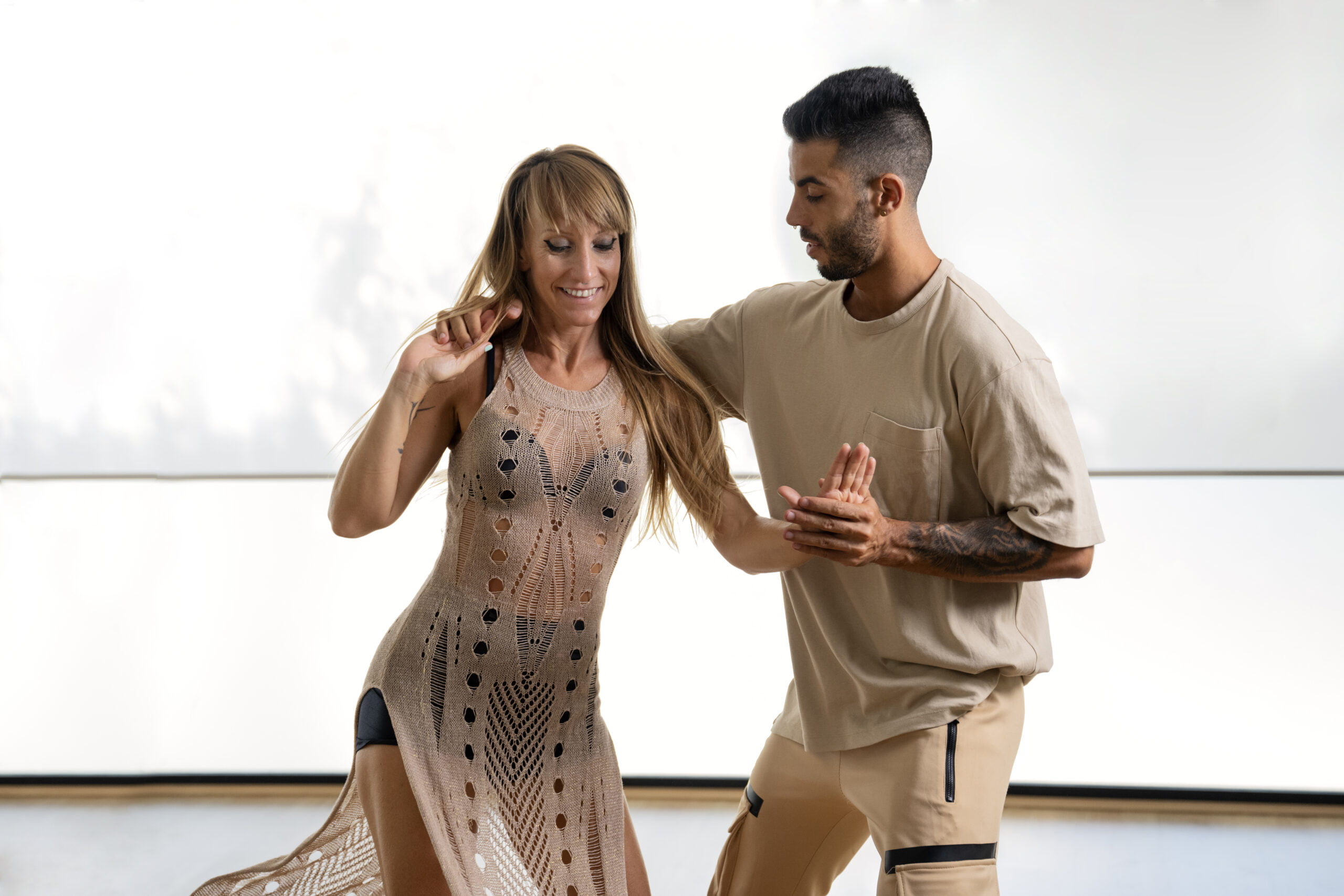
Self-Expression & Creativity
Steps are just the starting point. Once they stop being something you have to think about, you start adding to them, and that’s when a routine stops looking rehearsed and starts looking like yours.
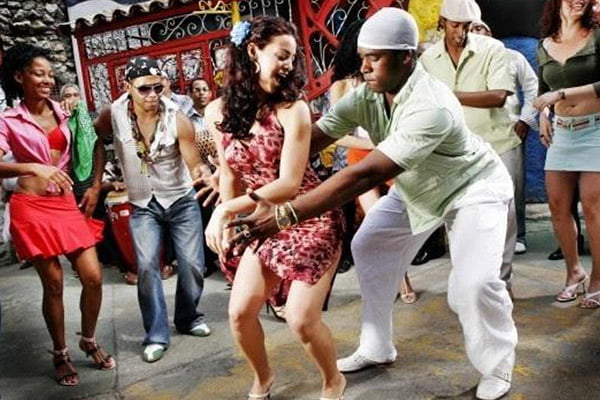
Social fun & Friendship
Bealeton isn’t a big town, and most people already know most people. Dance class still manages to introduce students to neighbors they’d never crossed paths with, and a decent number of them stay friends long after the class ends.
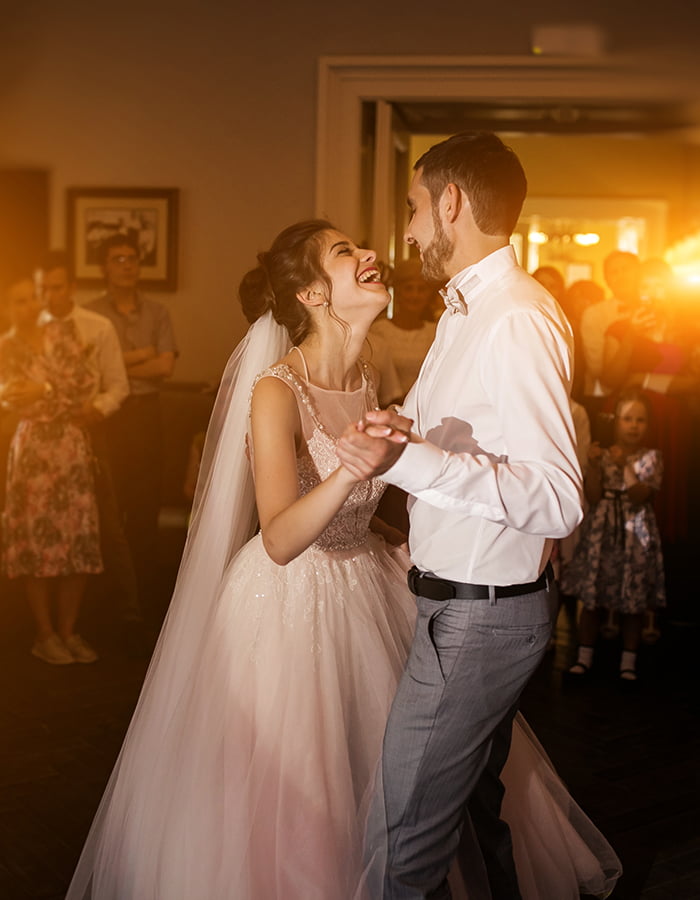
Wedding Dance
Nobody remembers a technically flawless first dance. They remember whether the couple looked like they were enjoying it. That’s the whole goal of our wedding dance programs, a routine that fits you, whether it’s a traditional Waltz or something faster that gets the whole barn on its feet behind you. A lot of our Bealeton couples are celebrating at a farm property or a converted barn near Warrenton, and we build the choreography around that setting specifically, not a generic ballroom template.
Everybody gets nervous before their first dance, dance background or none. Working through that nervousness with an instructor beforehand matters more than any specific step. What you’re aiming for on the day isn’t perfection. It’s a dance that looks and feels like the two of you.
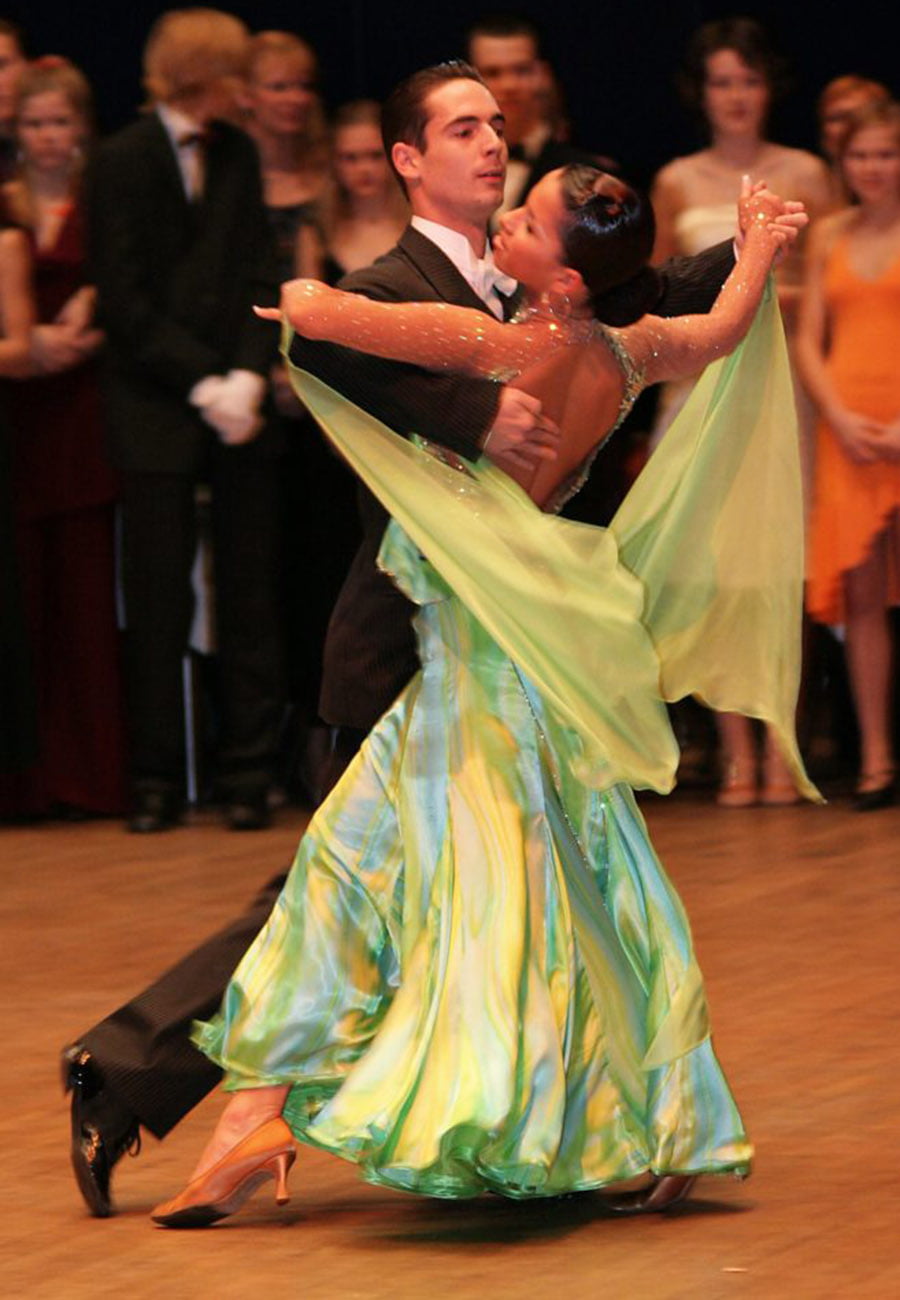
The Waltz
A biplane in a slow loop over open farmland has a certain unhurried quality to it, and the Waltz runs on that exact same patience. Step, slide, step, in 3/4 time, borrowed from the Ländler, a German folk dance going back to the 1700s. Its close embrace raised eyebrows once. Now it’s the default for anything formal.
The technique matters more than the romance, honestly. Sway, rise and fall, frame control, learn those in the Waltz and they carry into nearly every other dance on this page. That’s the actual reason beginner social dance lessons in Bealeton usually start here.
THE CHA CHA
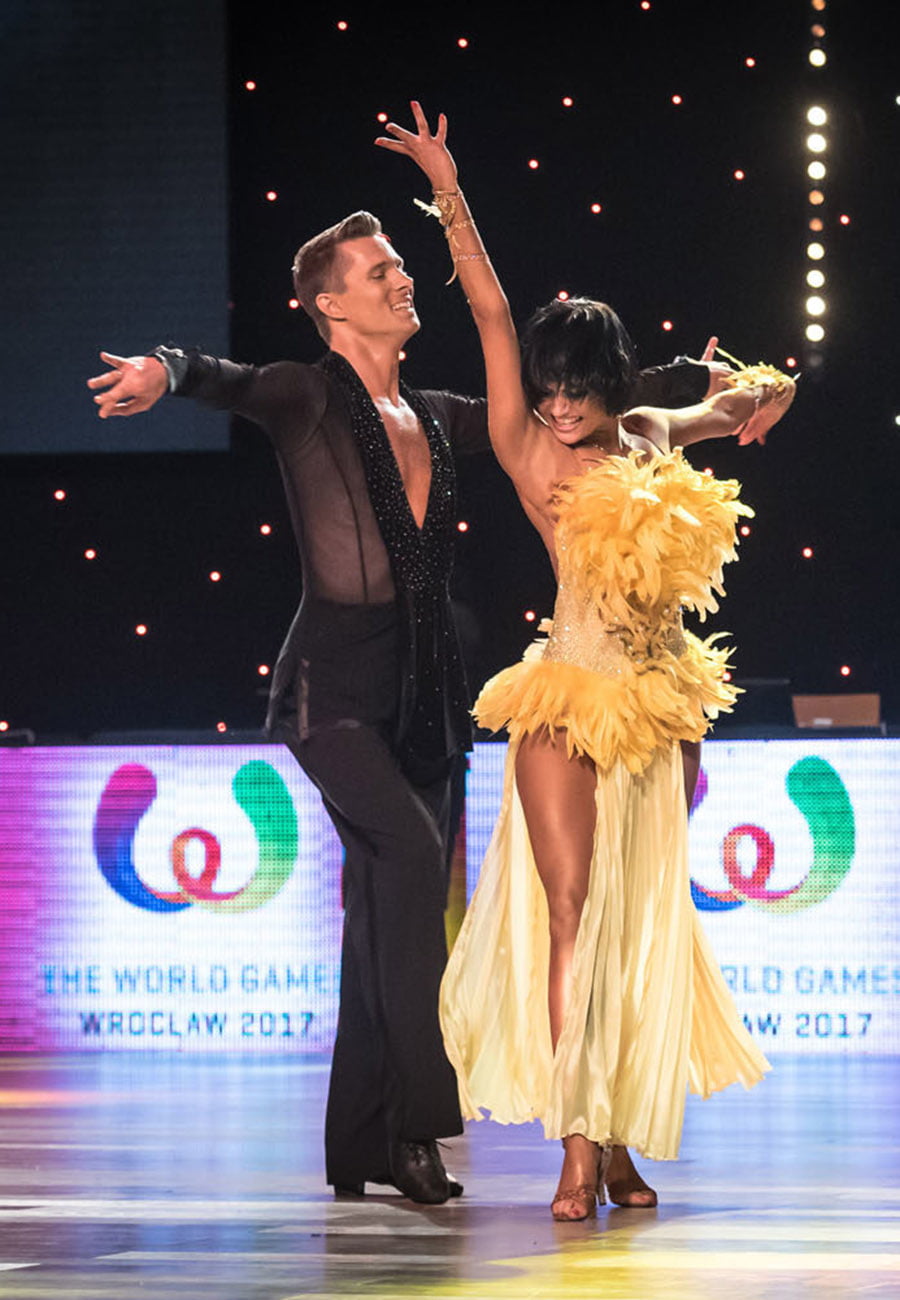
Quick test: where does the Cha Cha come from? Most people say South America or somewhere Central American. Wrong answer, and it’s a fun one to correct. The Cha Cha is American-made, invented when Mambo bands slowed their tempo and dancers filled the extra beat with a triple step between the Mambo’s forward and back rocking motion.
Students commuting in from Warrenton and the surrounding countryside tend to gravitate here early, since it’s the standard gateway dance into competitive Rhythm styles. Get the Cha Cha right and a lot of American Rhythm dance stops feeling foreign.
The Foxtrot
Nothing about the Foxtrot is trying to impress you, which is exactly why it works. Long, continuous strides move dancers across the floor in 4/4 time rather than the Waltz’s 3/4. Its “Magic Step,” two forward and one to the side, follows a knight’s move on a chessboard, and it’s usually the pattern new students pick up quickest of anything we teach.
Casual gathering near Calverton or something more formal, the Foxtrot fits both. And that flexibility comes from the same skill our social dance lessons in Bealeton are ultimately built around: staying loose enough to keep talking while you move.
The Hustle
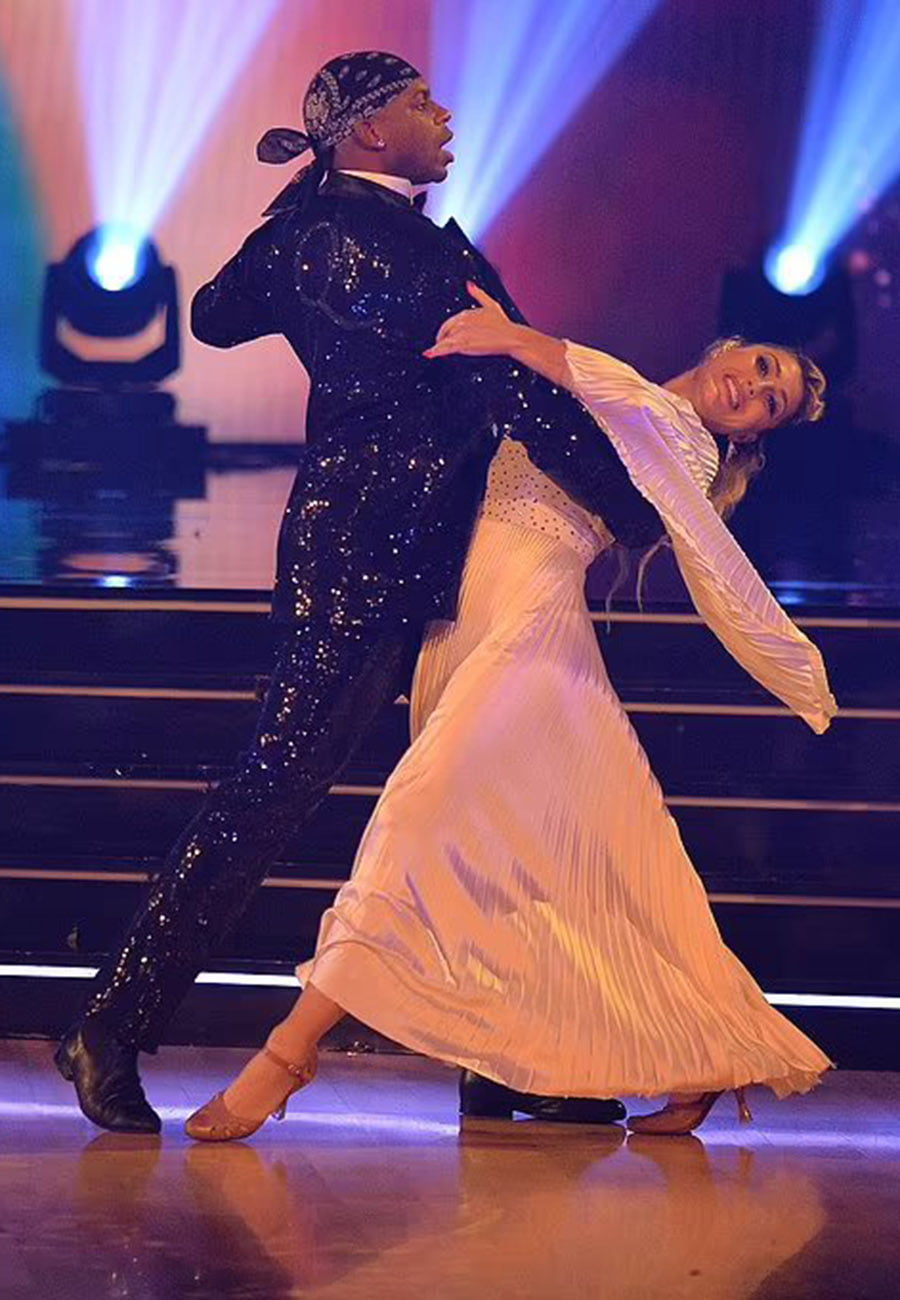
Disco gets credit for the Hustle, but that’s an oversimplification. Mambo footwork, Salsa turns, Swing’s energy, all of it shows up in the Hustle, layered over a bassline built for spins and wraps. People call the modern partnered version the New York Hustle now, after the city that shaped it, though it originally went by the Latin Hustle, a fact that surprises most students who assume the current name was always the name.
It comes up often with students planning a weekend trip toward Fredericksburg or Culpeper, the kind of high-energy setting the Hustle was built for.
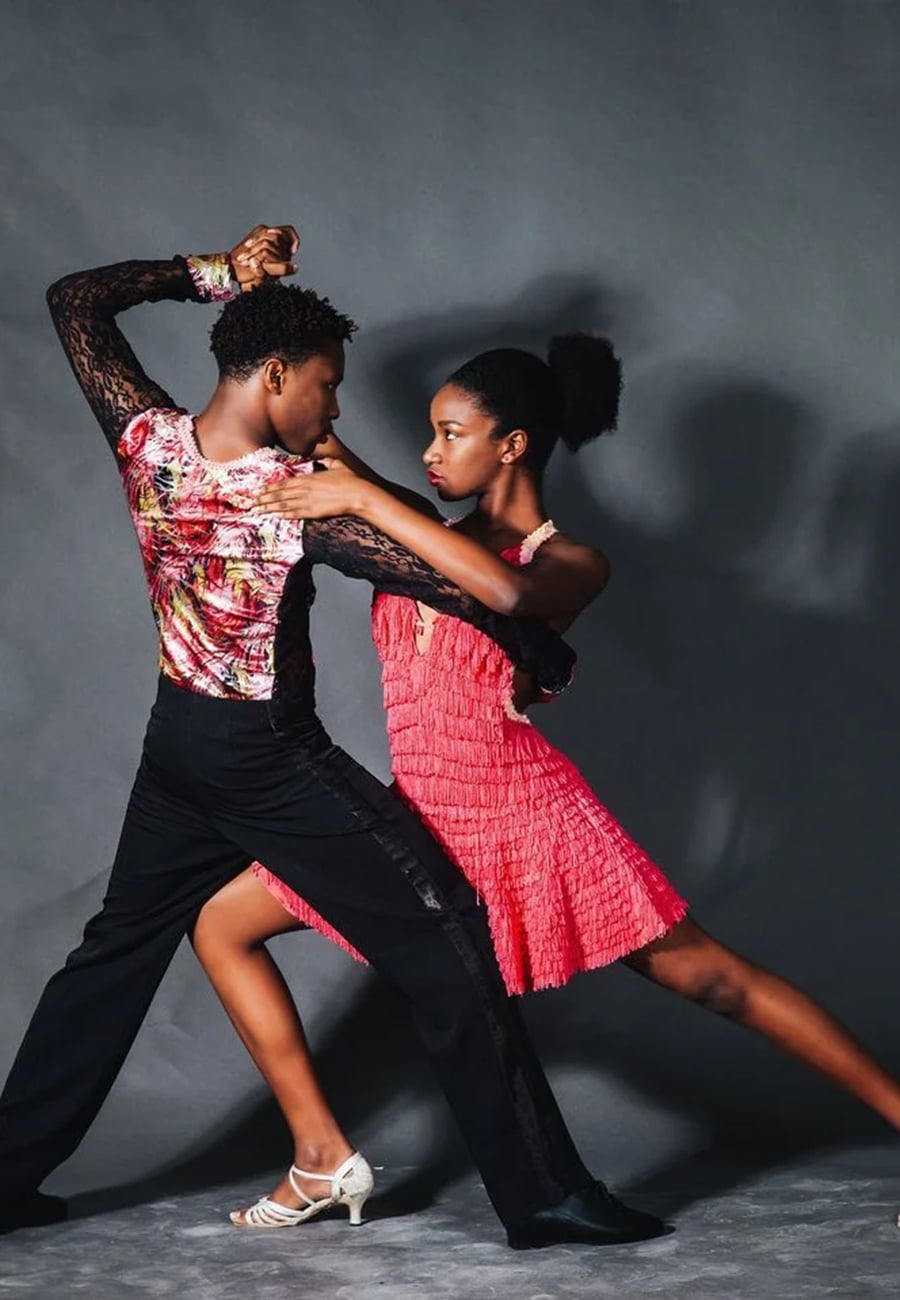
The Merengue
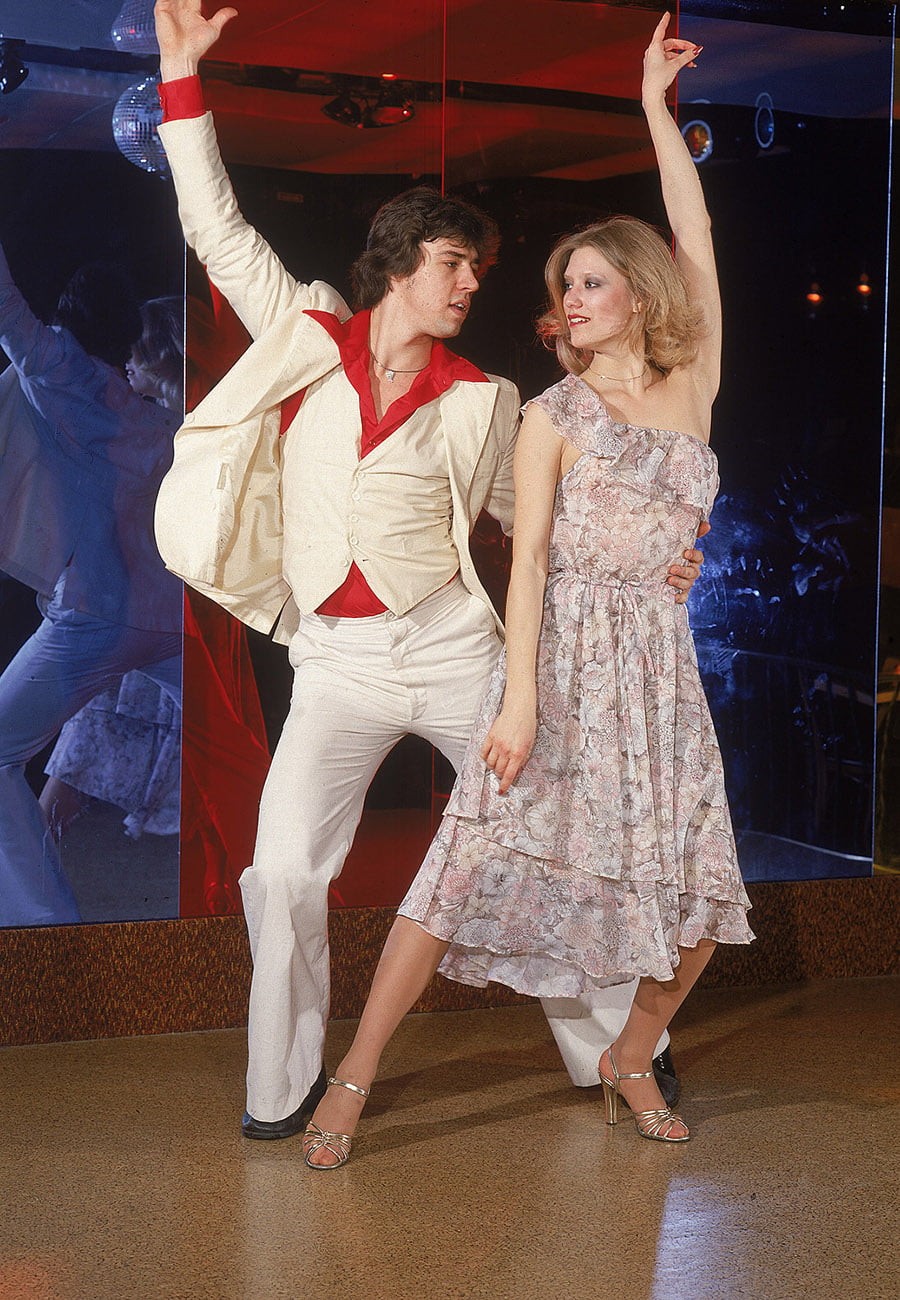
Never danced a step before? Start with the Merengue. It’s a walking or marching dance, an eight-count rhythm with Cuban Motion layered on top, and it stays mostly in place, which means there’s very little to go wrong for a total beginner. People who insist they have no rhythm usually change their minds ten minutes into this one.
It carries African and Spanish roots and holds the title of national dance in both the Dominican Republic and Haiti, where it’s nicknamed the “singing dance” for its clipped beat. A large share of first-time Bealeton students learn this one before anything else.
Sign Up For a Lesson Today
We look forward to having you in our dance studio.
THE QUICKSTEP
Everything about ballroom dance moves slowly except this one. Quickstep is fast from the first step, built in 1920s England by dancers who combined the Charleston and the Foxtrot into something quicker and looser than either style on its own. On a competition floor, it’s the dance that visibly changes the room’s energy.
Speed comes last, though. Beginner lessons for students driving in along Route 17 start well below full tempo, since clean footwork matters more early on than raw speed ever does.
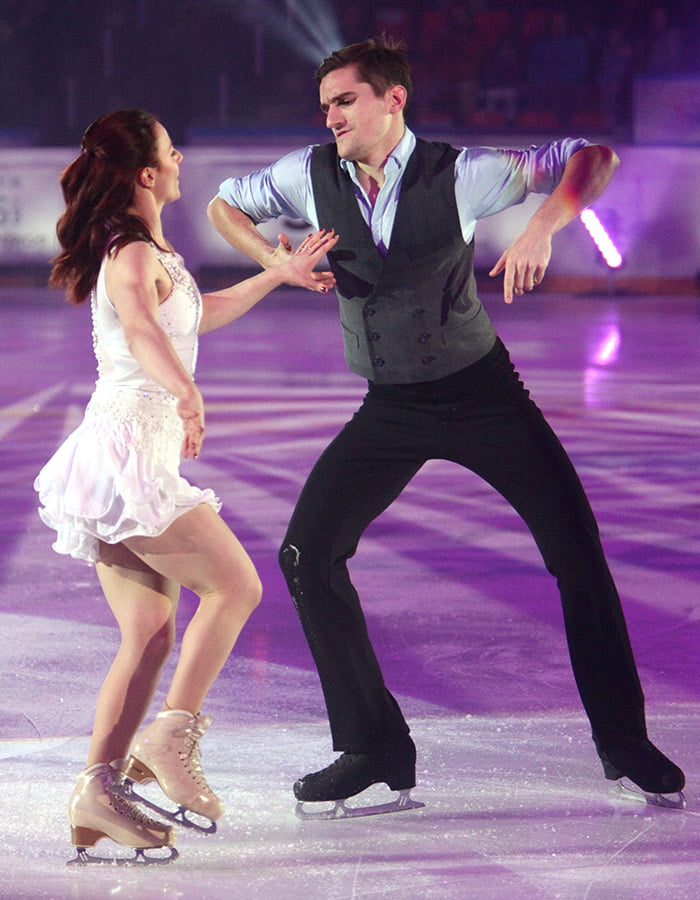
THE RUMBA
Follow the Rumba back far enough and you land on a Cuban rhythm called the Bolero-Son, which crossed into the United States in the early 1930s and never really lost popularity since. Smooth hip motion, a deliberate walking step, a tempo slow enough to build Cuban Motion, the hip technique underneath nearly every Latin dance we teach.
What surprises students most is what happens outside the Rumba itself. Master it, and Waltz, Cha Cha, and Salsa all improve almost automatically, which is why it sits at the center of our social dance lessons in Bealeton curriculum rather than being treated as one dance among many.
The Salsa
Say “Latin dance” to most people and Salsa is what they picture. Free-flowing turns, elaborate arm patterns, all built on rhythm descended from Cuban Son and Rumba, and it broke out through 1970s New York City studios before splitting into regional styles, Colombian, Cuban, Los Angeles, New York, Palladium, Puerto Rican, Rueda, On Clave.
It thrives on a small, crowded floor, the kind of tight space you’ll find wherever Bealeton and Remington neighbors gather for a night out. Plenty of students first got interested watching it on television and decided to try the real thing.
The Swing
Jitterbug, Boogie, Lindy, Swing has been called all three over the decades, though East Coast studios mostly just say Swing, or East Coast Swing when it matters. It traces back to the Lindy Hop, with the Charleston, Black Bottom, and Shag folding into it by the early 1940s to form what’s taught today.
Its energy hasn’t faded a bit. Swing still gets an entire room moving at once, which is exactly why it fits so naturally at a rural Fauquier County celebration. Flips, lifts, spins, it’s spectacle as much as dance.
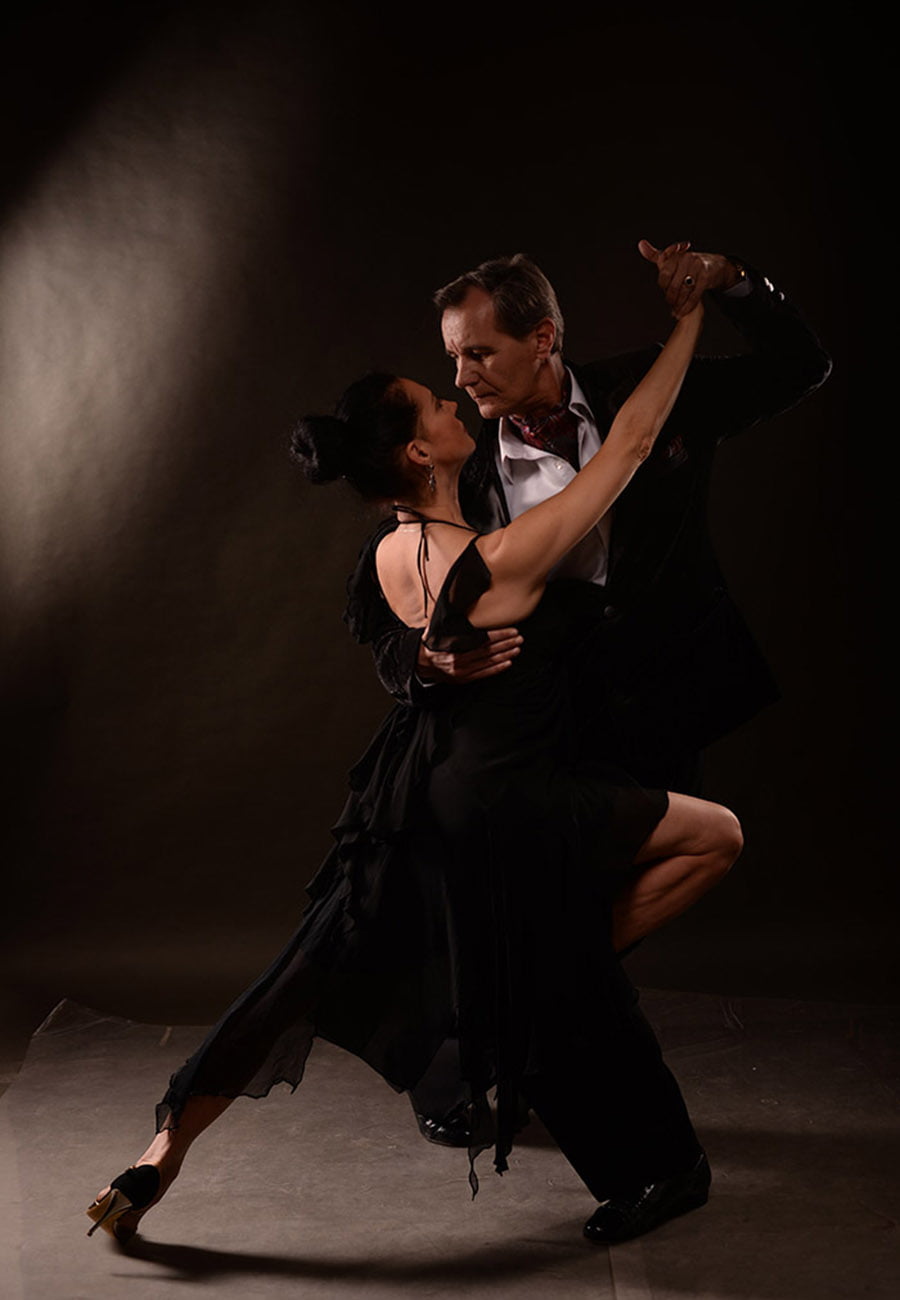
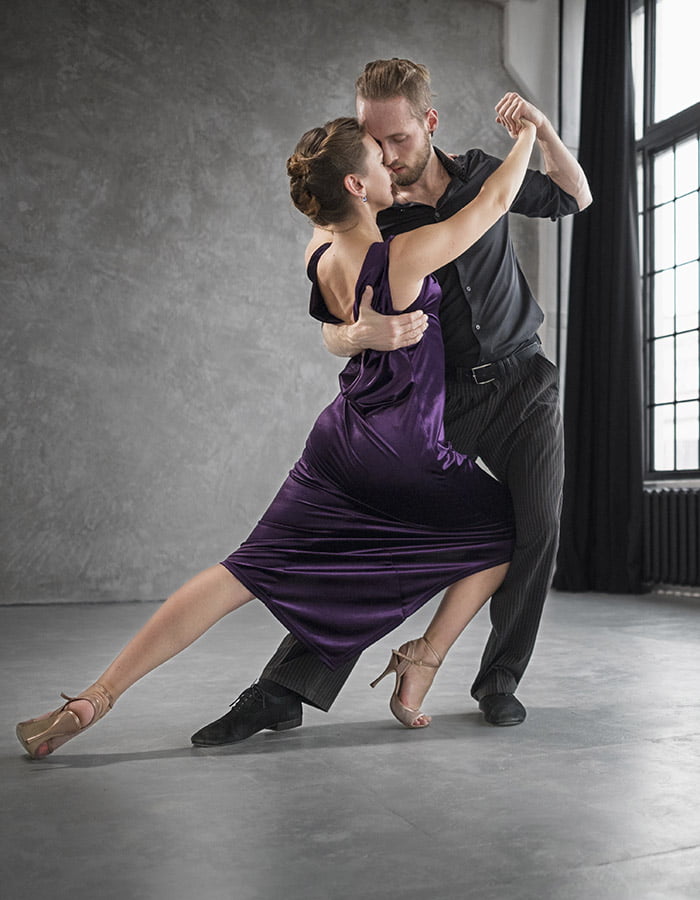
The Tango
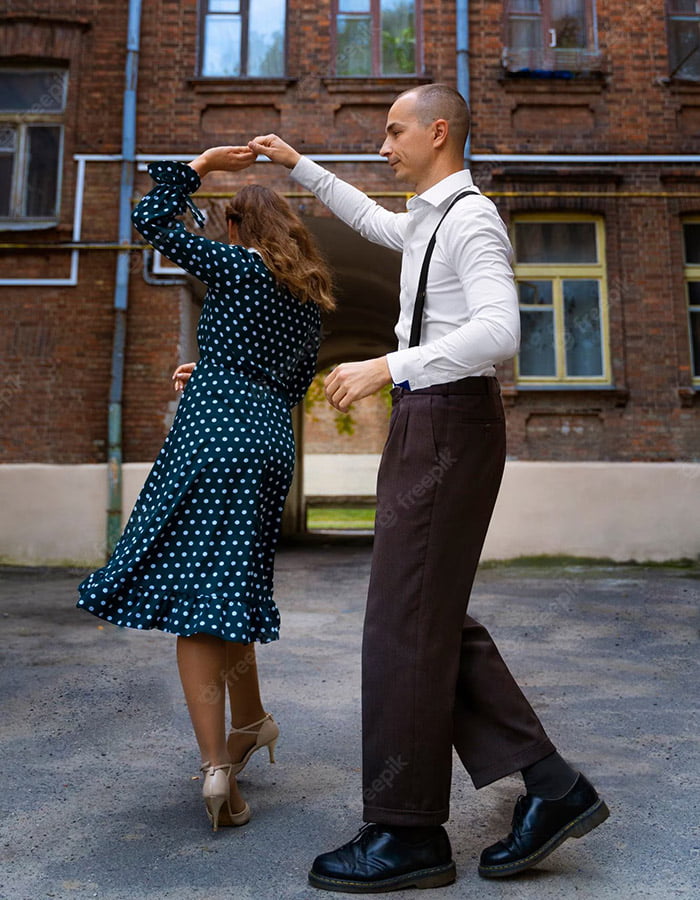
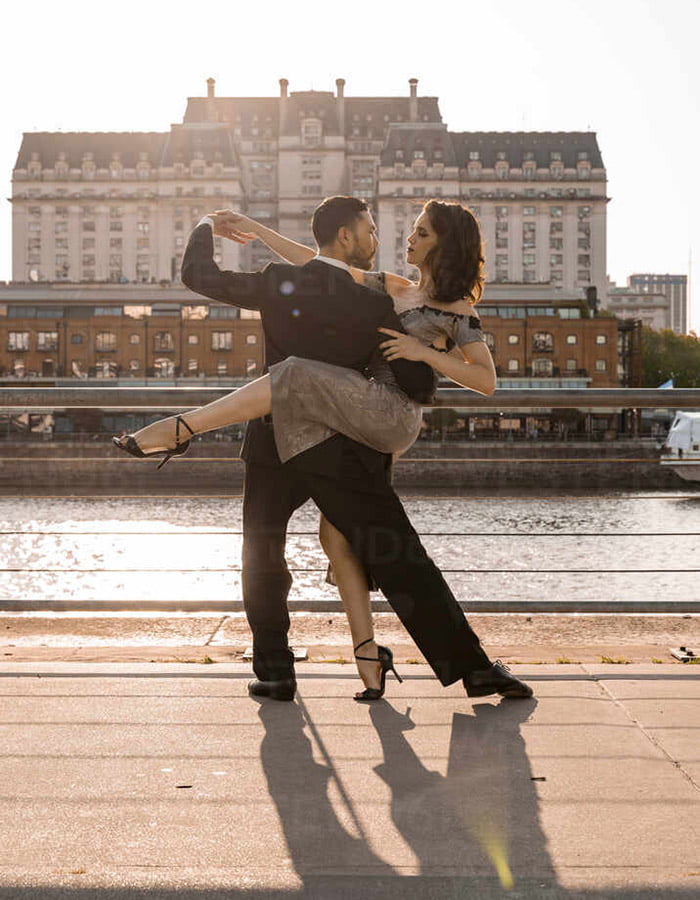
Where the Tango actually started is still argued about. Argentina has the strongest claim, though you’ll hear Brazil, Spain, and Mexico mentioned too, and most historians trace the whole family back to a Spanish folk dance called the Milonga. What’s not disputed is its American arrival, somewhere between 1910 and 1914, where its dramatic, deliberate style made it an instant hit.
It’s an exhibition dance for a reason; it draws every eye in the room the moment it starts. You don’t need a partner to begin, though. Sign up first, and bring someone, maybe a neighbor from Warrenton, once you’re ready.
The Viennese Waltz
Take the standard Waltz, speed it up, and ask more of the dancer, and you land close to the Viennese Waltz. The patterns stay faithful to tradition even as the technique demands more, and despite the “classical” label, it’s actually a newer variation, closer to the original closed-couple style, usually set to some of the most recognizable orchestral music ever composed.
Watch a full floor of Viennese Waltzers and the whole thing looks close to flight. That’s why it shows up in formal balls and classic film far more than a casual Bealeton evening out, and most students only add it once they’ve built confidence through regular social dance lessons in Bealeton.
The Bolero
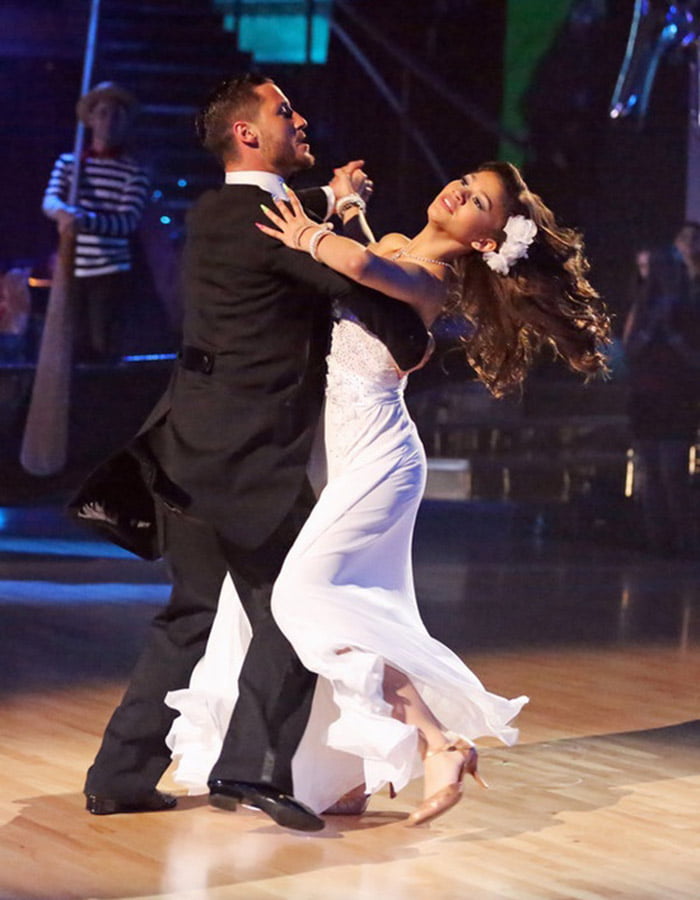
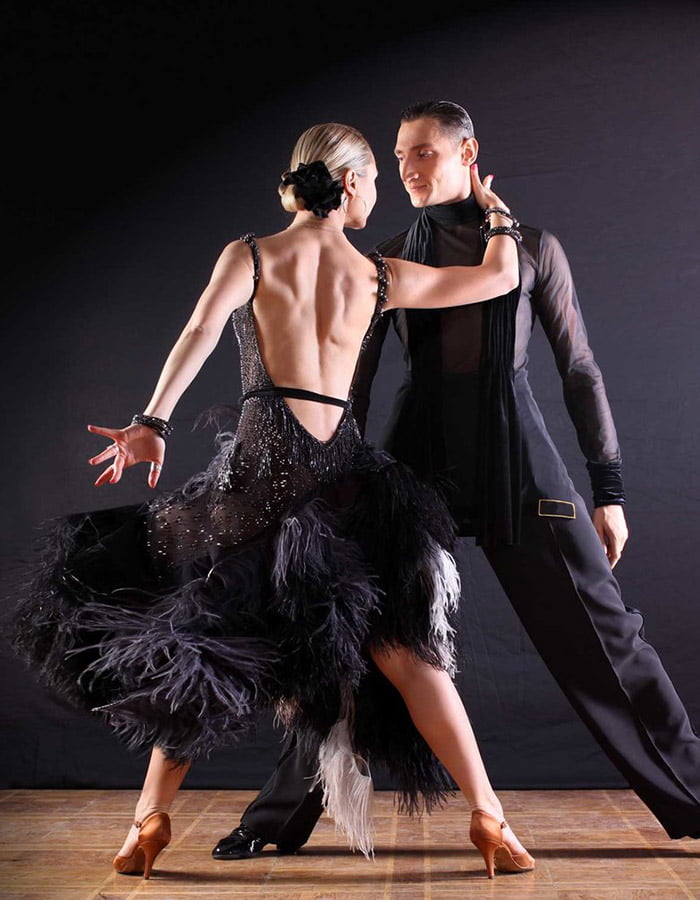
The Bolero reached American audiences in the mid-1930s and has stayed one of the most physically demanding Latin dances since. Its choreography borrows from bullfighting: the lead plays the matador, the follower alternates between the bull and the cape, and the whole thing runs on a rise and fall generated by the body, not the feet.
It doesn’t get much time on a crowded social floor, Rumba and Cha Cha take that spotlight, but it’s a serious favorite at competitions. Students hunting for a social dance studio in Bealeton that pushes past the basics into real Latin technique tend to land here eventually.